

Affiliate Disclosure: I earn commissions if you shop through the links below at no additional cost to you.
Last Updated on February 28, 2026 by Jeremy
The fastest way to hate RV solar is to buy a kit, slap it on, and expect it to run “RV life” like it’s shore power. A 100W panel is not an RV rooftop system. It’s a starting point.
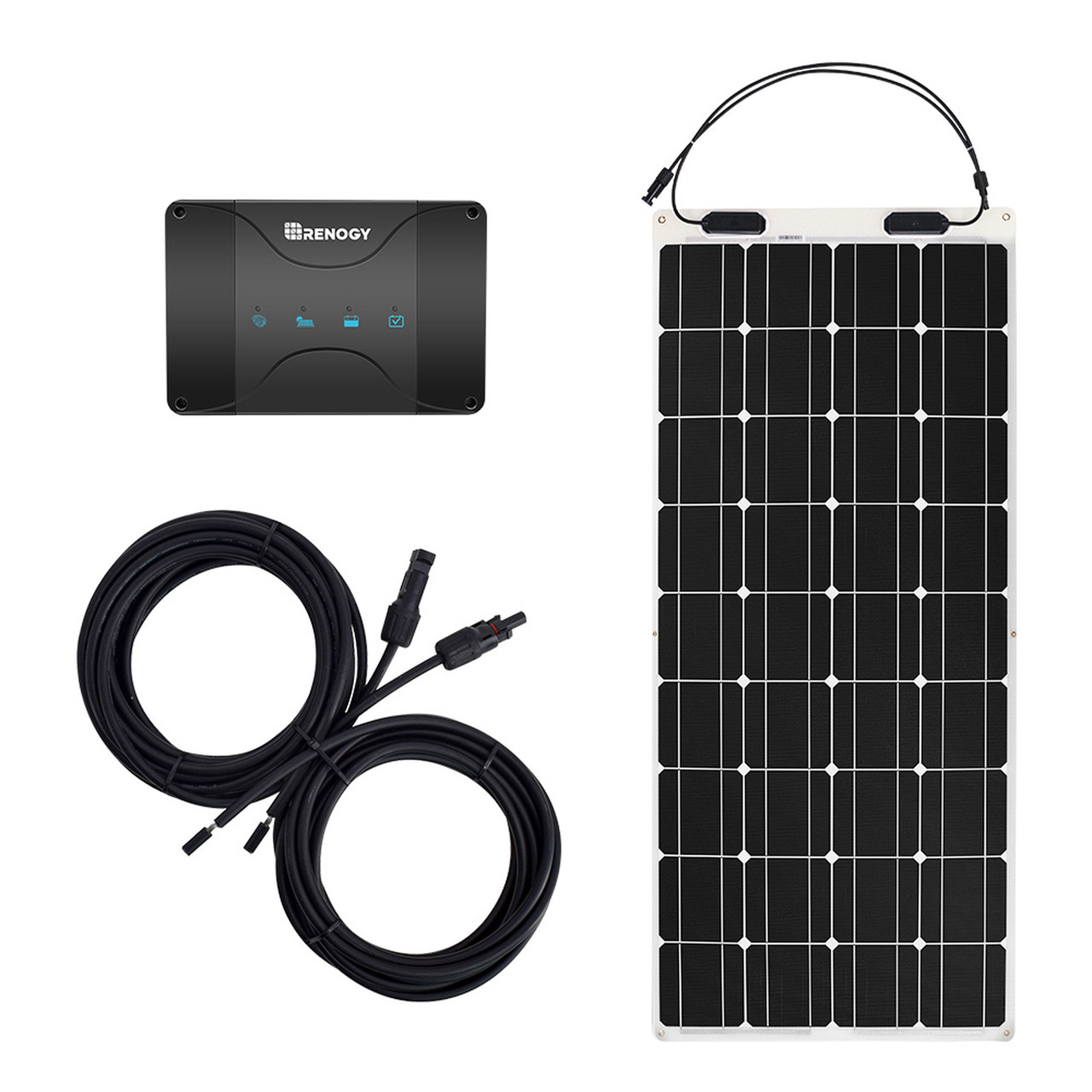
That said, the Renogy 12V 30A Dual Battery Charging + 100W Solar Flex Bundle is interesting for one reason: it’s built around a real RV pain point, keeping your house battery and starter battery healthier with smarter charging, instead of relying on wishful thinking and mystery wiring.
TL;DR
- Best for: keeping batteries maintained while traveling, light boondocking, and starter/house battery management.
- Not for: running big loads (microwave, electric heat, air conditioner) off “100W solar” expectations.
- The real win: the charger/controller side of this bundle can be the backbone of a larger system later.
- If the bundle isn’t available: use this guide to understand what to buy, then route through the Renogy brand hub.
What This Bundle Actually Is (In Plain English)
Think of this bundle as two parts:
- The “brain”: a dual-input charging solution that’s designed for RV reality (driving days, battery banks, and solar).
- The “starter solar”: a 100W flexible panel that gives you a base level of daily charging potential.
The reason RVers like the dual-battery concept is simple: it reduces the chances of waking up to a weak house battery and also helps avoid the classic “starter battery is mysteriously dead” situation after sitting for a bit.
My Take (From an RVer Perspective)
Here’s the honest framing: the 100W panel is not the hero. The “game changer” piece is the charging approach, because it can fit into a bigger system later.
If you’re just getting into solar, this bundle can make sense as a stepping stone. If you already know you run a fridge hard, work remotely, or boondock multiple nights at a time, you’ll outgrow 100W quickly, but you may still like the charging hardware as part of a future build.
If you want the broader “Renogy ecosystem” (panels, controllers, batteries, inverters, Amazon best sellers), start here: Renogy: Powering Your RV & Off-Grid Adventures with Solar Energy .
Key Components (And Why They Matter)
1) The Dual Battery Charger / Controller
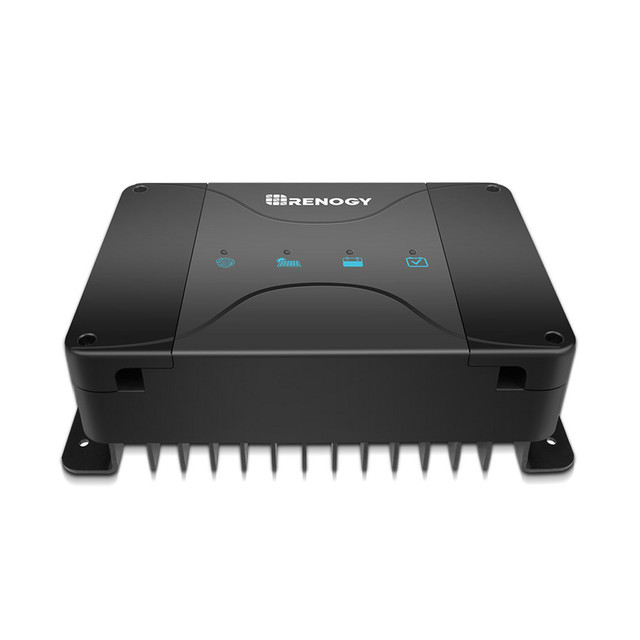
This is the part that decides whether your charging is predictable or chaotic. In real-world RV life, you’re often dealing with mixed inputs and imperfect conditions. A dedicated controller helps keep charging stable and prevents “creative wiring choices” from cooking something expensive.
- Why you care: better battery health, more consistent charging behavior, less guessing.
- Where it fits: house battery systems, dual battery setups, and builds that will grow beyond 100W.
2) The 100W Flexible Panel
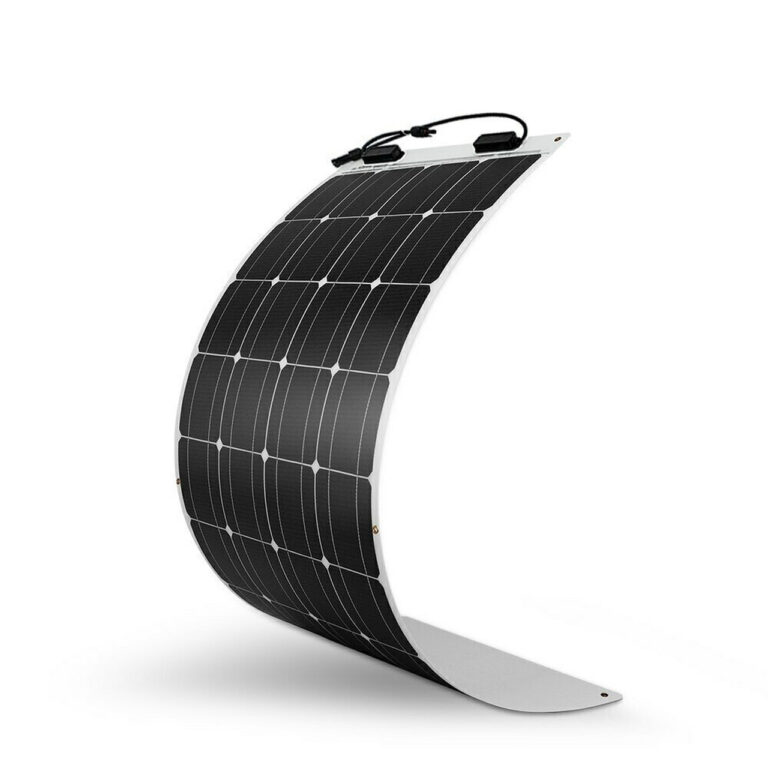
Flexible panels are popular for certain RV roofs and curved surfaces, but they come with tradeoffs. They’re usually chosen for form factor and mounting practicality, not because they outperform rigid panels in every situation.
- Best use case: tight rooftop layouts, curved mounting surfaces, and lightweight builds.
- Tradeoff reality: flexible panels can run hotter when mounted flush, and heat reduces solar efficiency.
If you’re planning a serious rooftop solar build, you’ll want to compare flexible vs rigid before you commit to a full array. The easiest way to avoid regret is to size your daily usage first.
Is 100W Enough for Boondocking?
Sometimes. But only if your expectations match reality. A 100W panel is usually “maintenance + light use” territory, not “run the RV like home” territory. What matters is your daily watt-hours, your sun hours, and how aggressive your loads are.
Quick decision framework
| What you run | 100W likely works? | Better plan |
|---|---|---|
| Phones, lights, water pump, occasional fan | Often yes (with smart use) | Add battery capacity first if you camp 2–3 nights |
| 12V fridge (moderate), fan overnight, laptop charging | Maybe (depends on sun + battery) | Plan for 200–400W and an efficient battery bank |
| Microwave, electric kettle, coffee maker, hair tools | No | Inverter + bigger battery bank + larger solar array |
| Air conditioner | No | Different tier entirely (very large system or generator strategy) |
Use the calculator to stop guessing: RV Solar Power Calculator. If you’re building an off-grid lifestyle system, this guide pairs well too: Off-Grid RV Living Guide.
What People Usually Like (And What Trips Them Up)
Common wins
- Cleaner battery management: fewer “why is this dead?” surprises.
- Simple solar entry point: helps you learn your real usage before you scale up.
- Expandable thinking: you can keep the system pieces and grow the array later.
Common issues
- Expectation mismatch: 100W does not equal “off-grid freedom.”
- Install details matter: wire sizing, fuse protection, and clean routing are not optional.
- Shading hurts: one bad shadow can drop output more than people expect.
If you’re new to solar wiring and protection, it’s worth getting the layout checked by someone experienced. Solar problems are rarely “the panel is bad.” It’s usually the install details.
Should You Buy This Bundle in 2026?
If you’re the right user, it’s a solid stepping stone. If you’re not, it becomes an expensive lesson. Here’s the clean filter:
Good fit if:
- You want to maintain batteries while traveling and add light solar charging.
- You’re building a system in phases and want a “foundation piece” first.
- You camp with modest loads and you’re realistic about what 100W does.
Skip it (or scale up) if:
- You run higher loads daily (fridge hard, remote work, lots of inverter use).
- You expect solar to replace hookups entirely with a tiny panel.
- You want a plug-and-play experience more than a buildable system.
If the exact bundle is unavailable, don’t chase dead listings. Use the Renogy hub to pick current, available components and Amazon best sellers: Renogy Brand Page (Current Picks + System Path) .
FAQ
Is 100W of solar enough for an RV?
It can be enough for battery maintenance and light loads, but most boondockers outgrow 100W once they add a fridge, laptop work, or longer stays.
What’s the real advantage of “dual battery charging”?
It helps keep both your house and starter battery healthier, reducing the chance of getting stranded with a dead start battery after sitting.
Can I expand this system later?
Yes. Many RVers start small and expand panel wattage and battery capacity once they know their daily usage.
Are flexible panels better than rigid panels?
Not automatically. Flexible panels are chosen for mounting constraints and weight. Rigid panels often win on long-term durability and airflow-based cooling.
What’s the first thing I should calculate before buying solar?
Your daily watt-hours. Once you know what you consume, choosing panel wattage and battery capacity becomes straightforward.
Where should I start if I want a full Renogy system?
Start with the Renogy brand hub and the solar calculator to choose components that match how you actually camp.
Final Thoughts
This bundle can work, but only if you treat it like what it is: a practical entry point. The bigger win is learning your real power usage and building the system around that, not around hope.
Next logical step: run the RV Solar Power Calculator, then use the Renogy brand page to pick components that match your setup.




.jpg/:/cr=t:5.56%25,l:0%25,w:100%25,h:88.89%25/rs=w:1240,h:620,cg:true)




Leave a Reply