

Last Updated on September 14, 2026 by Jeremy
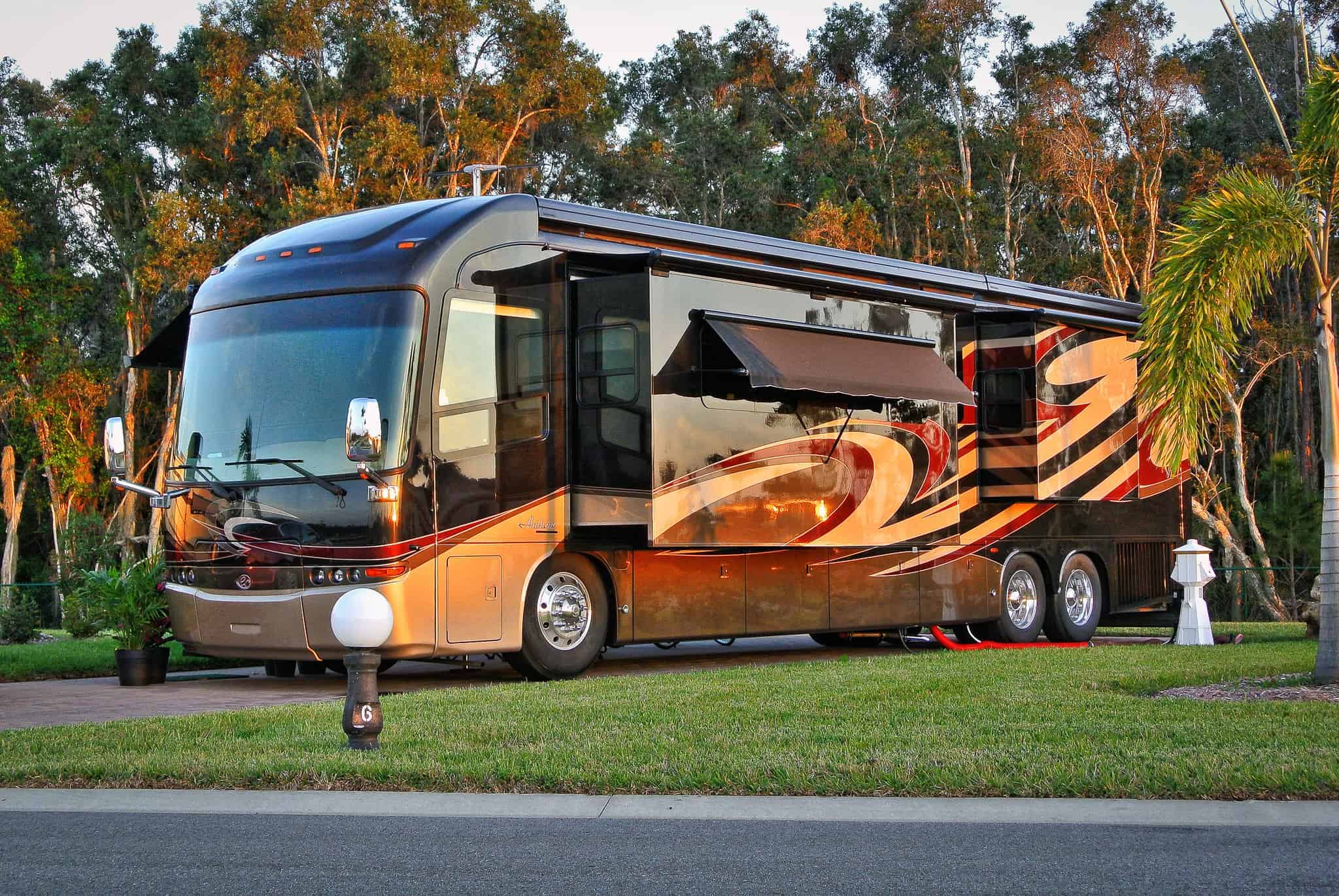
Renting a motorhome is one of the smartest ways to test RV life before buying one, especially if you are still figuring out whether you want a Class A, Class B, Class C, travel trailer, or something that does not require a second mortgage and a therapy session.
 Compare RV Rental Options
Should You Rent a Motorhome Before Buying an RV?
In many cases, yes. Renting a motorhome gives you a real taste of RV travel without committing to ownership, storage, insurance, maintenance, tires, batteries, repairs, and all the other fun little surprises that like to appear when you least expect them.
A rental trip can teach you more in one weekend than weeks of scrolling through RV floorplans online. You will quickly learn whether you like driving a larger rig, how much space your family actually needs, whether campground life fits your travel style, and which features matter once you are parked, plugged in, and trying to make coffee without tripping over a duffel bag.
This guide walks you through the full process: choosing the right motorhome class, comparing rental platforms, understanding insurance, checking the RV before departure, packing smart, and arriving at the campground without looking like you are starring in a low-budget campsite disaster film.
Renting Lets You Test the RV Lifestyle Without Buying the Whole Circus
Buying an RV is exciting, but it is also a major decision. Renting gives you a lower-risk way to test the lifestyle first. You get the road trip, the campsite mornings, the meal planning, the hookups, the tank questions, the storage puzzle, and the driving experience without becoming responsible for the rig long-term.
The biggest reason to rent first?
You may discover that the RV you thought you wanted is not the RV you actually enjoy using. That lesson is much cheaper during a rental weekend than after buying the wrong rig.
Renting can also be a great option if you only travel a few times per year. Instead of paying year-round ownership costs, you can book a motorhome when you need it and hand the keys back when the adventure is over. No storage lot. No winterizing panic. No mystery leak showing up six months later like it pays rent.
Class A, Class B, or Class C: Which Rental Fits Your Trip?
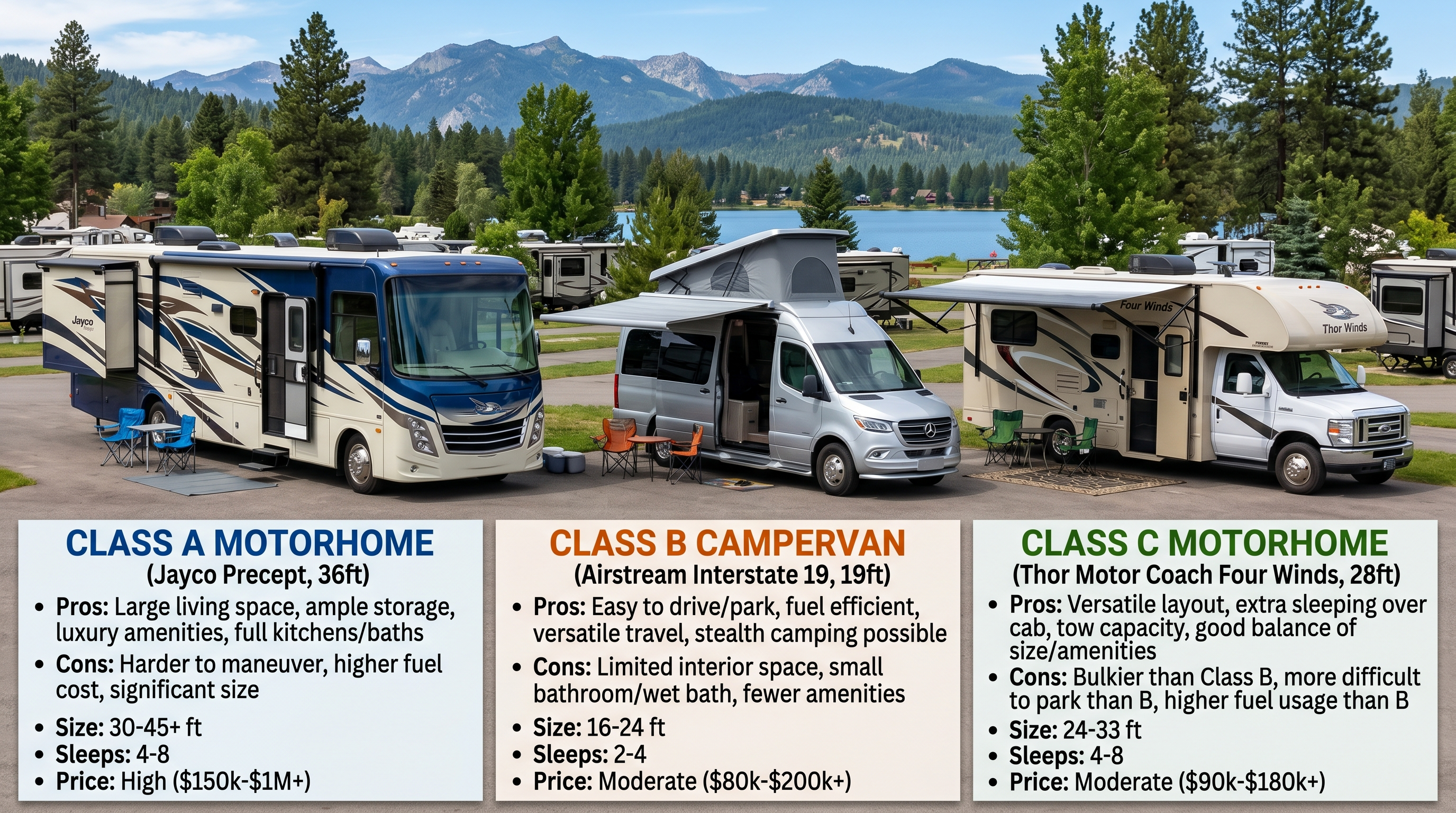
Motorhomes are usually grouped into three main classes. None of them are “best” for everyone. The right choice depends on your driving comfort, group size, route, campground style, and how much indoor space you want when the weather turns ugly.
Class A Motorhomes
Class A rigs are the big bus-style motorhomes. They usually offer the most space, bigger kitchens, larger bathrooms, and more comfort for longer trips.
- Best for families or longer vacations
- More space and storage
- Can feel intimidating for first-time drivers
- May require more careful campground planning
Class B Campervans
Class B rentals are campervans. They are easier to drive, easier to park, and better for travelers who care more about flexibility than elbow room.
- Best for couples or solo travelers
- Easier city driving and parking
- Less storage and living space
- Great for road trips with lots of movement
Class C Motorhomes
Class C motorhomes often hit the sweet spot. They usually have a bed over the cab, decent living space, and a driving feel that many beginners find manageable.
- Best all-around beginner option
- Good for families and small groups
- Usually easier than Class A
- More spacious than a campervan
Where Should You Rent a Motorhome?
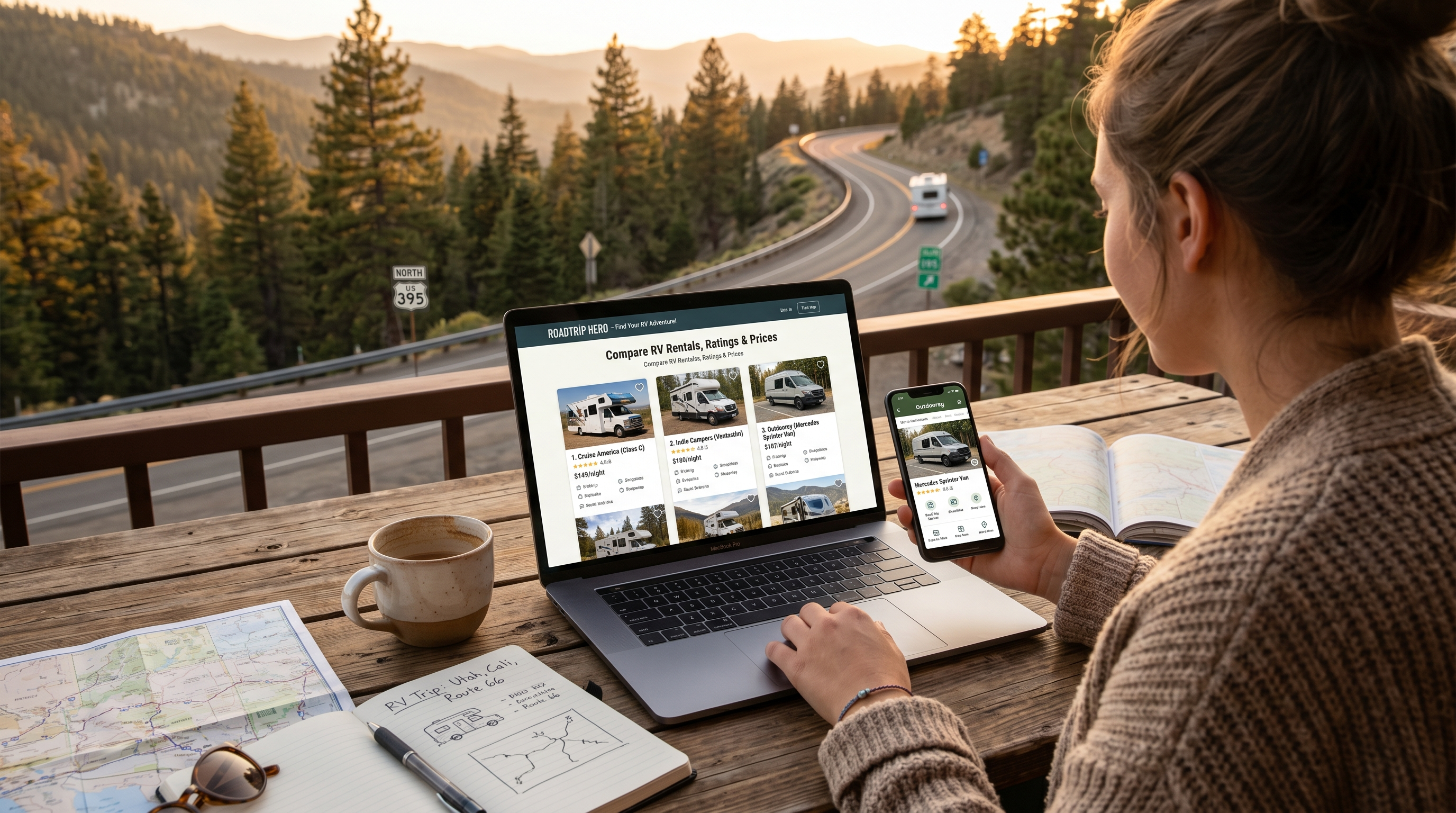
Once you know what kind of RV you want to try, the next step is choosing where to rent it. These are the three rental options I would point most beginners toward first.
 Best Traditional Rental
Cruise America
Cruise America is a strong fit if you want a more traditional motorhome rental experience with recognizable rental locations and standardized units.
- Good for first-time renters
- Traditional motorhome rental model
- Useful for road trips across North America
 Best Variety
Outdoorsy
Outdoorsy works more like a peer-to-peer RV rental marketplace. That means you can compare different RV types, owners, styles, prices, and locations.
- Wide variety of RV types
- Good for comparing unique rigs
- Useful for matching RV style to trip style
 Best Canadian Option
RVezy
RVezy is a Canadian-born RV rental marketplace that can be a great option for renters in Canada, cross-border travelers, and RV owners who may eventually want to list their own rig.
- Strong Canadian rental angle
- Peer-to-peer rental options
- Useful for renters and RV owners
Cruise America vs Outdoorsy vs RVezy
Here is the simple version. Start with the rental platform that matches how you want to travel.
| Platform | Best For | Good Fit If… |
|---|---|---|
| Cruise America | Traditional motorhome rentals | You want a simple, recognizable rental company experience. |
| Outdoorsy | Variety and peer-to-peer rentals | You want to compare different RV styles, owners, and prices. |
| RVezy | Canadian renters and RV owners | You are renting in Canada or may want to list your own RV later. |
How to Rent a Motorhome Without Making It Weird
Renting a motorhome is not complicated, but it does come with more details than booking a hotel room. You are choosing a vehicle, a temporary home, a kitchen, a bed, a bathroom, and sometimes a small rolling mystery box of buttons and switches.
Step 1: Pick your trip style
Are you staying at one campground for a week, road-tripping every day, visiting national parks, attending an event, or testing RV life before buying? Your trip style should guide the RV size.
Step 2: Choose your RV class
Beginners often do well with a Class C because it balances space and drivability. Couples may prefer a campervan. Larger families may appreciate a Class A, but only if the driver is comfortable handling the size.
Step 3: Compare rental platforms
Use the platform comparison above to decide whether you want a traditional rental model, a wide peer-to-peer selection, or a Canadian-focused marketplace.
Step 4: Read the fine print
Pay attention to mileage limits, generator fees, deposits, cancellation rules, insurance, cleaning requirements, pet policies, pickup times, and whether kitchen or bedding kits are included.
Step 5: Ask questions before booking
Ask about hookups, tank dumping, driving tips, power, propane, tire pressure, height clearance, roadside assistance, and what happens if something goes wrong.
Do You Need Insurance When Renting a Motorhome?
Yes, you should pay close attention to insurance. A motorhome rental is still a vehicle, and it is also temporary living space. That means accidents, damage, liability, personal belongings, and roadside problems all matter.
Most rental platforms offer or require some form of coverage, but you still need to understand what is included, what is excluded, and what your personal responsibility could be if something happens.
Do not skip this part.
Insurance is boring until you need it. Then it becomes the only part of the rental agreement you suddenly wish you had read twice.
You can also read my full guide here: Who Has the Best RV Insurance?
What to Check Before You Drive Away
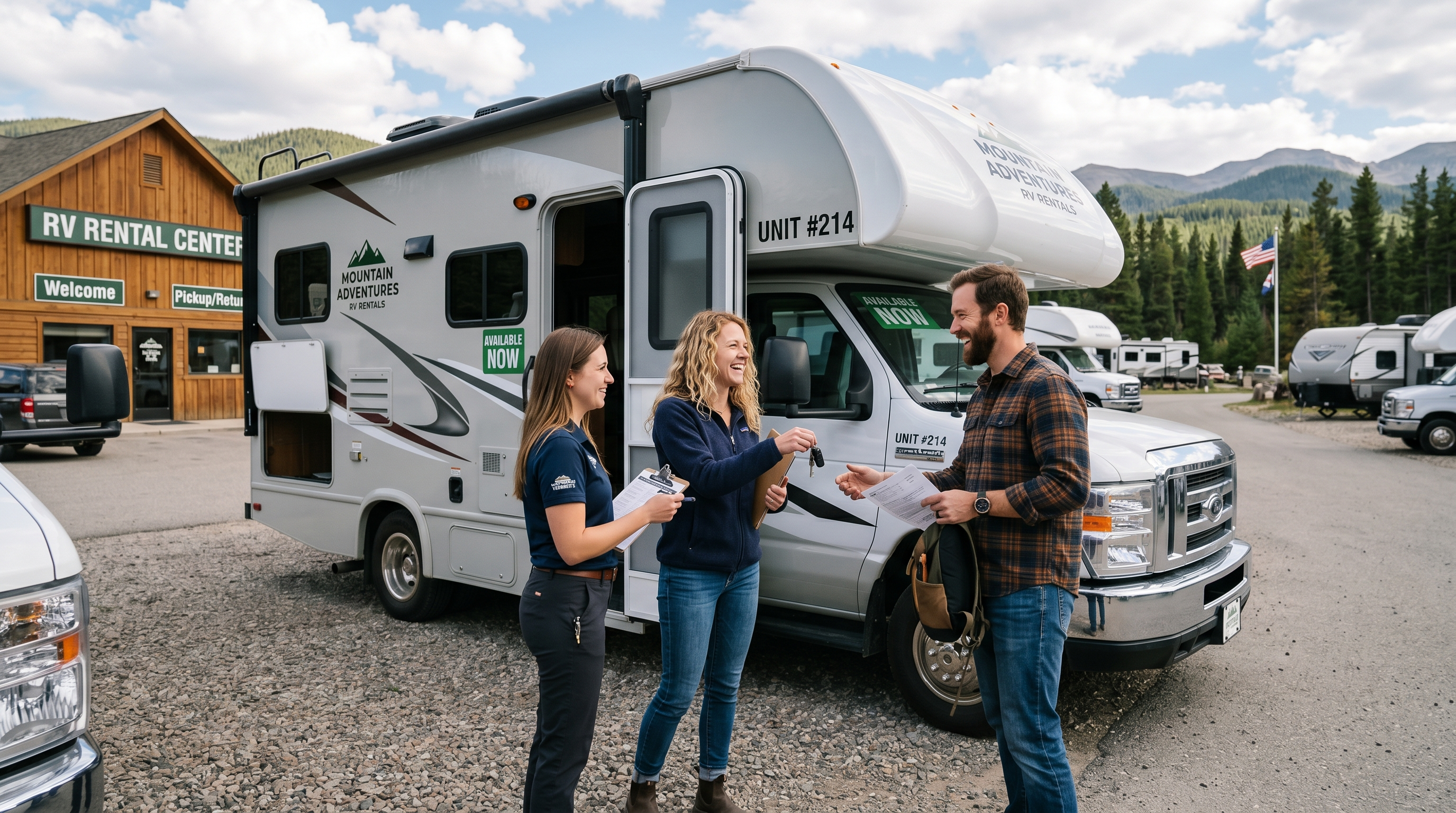
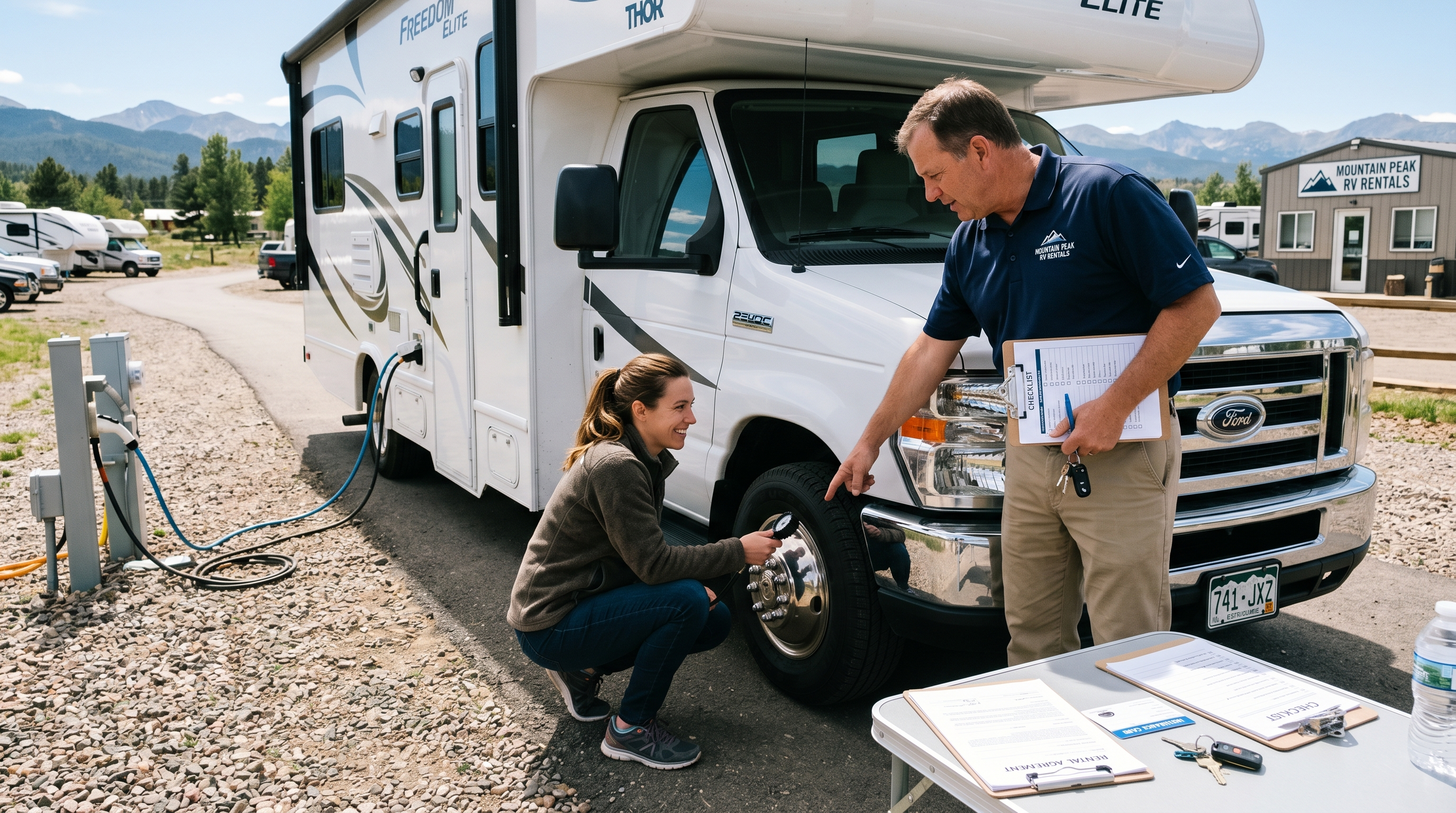
The handoff walkthrough is where beginners need to slow down. Do not nod along pretending you understood every switch. Ask questions. Take photos. Record short videos if allowed. Future-you will appreciate it.
Exterior Checks
- Walk around the RV and photograph existing damage
- Check tires and ask about proper pressure
- Confirm mirrors, lights, signals, and windshield wipers
- Ask about height clearance and parking limits
- Learn where fuel, propane, water, and dump connections are located
Interior Checks
- Test fridge, stove, furnace, air conditioning, and outlets
- Learn how the water pump works
- Ask how to monitor black, gray, and fresh tanks
- Confirm bedding, cookware, and supplies included
- Ask what to do if alarms, warning lights, or system issues appear
What Should You Pack for a Motorhome Rental?
Pack like space matters, because it does. Even larger motorhomes can feel crowded once everyone brings full-size luggage, extra shoes, bulky kitchen gear, snack bags, electronics, pet supplies, and enough “just in case” items to outfit a small expedition.
- Soft-sided bags instead of hard suitcases
- Layered clothing instead of bulky duplicates
- Compact cookware if kitchen gear is not included
- Flashlights, chargers, first-aid kit, and basic medications
- Camp chairs, towels, toiletries, and outdoor footwear
- Printed reservation details and emergency contacts
If you are traveling with pets, kids, or first-time campers, bring comfort items, but keep it realistic. You are renting an RV, not moving the garage.
Your First Night in a Rented RV
Your first campground arrival is where the rental trip starts to feel real. Take your time, ask campground staff questions, and do not worry if setup takes longer than expected. Everybody has had a first day.
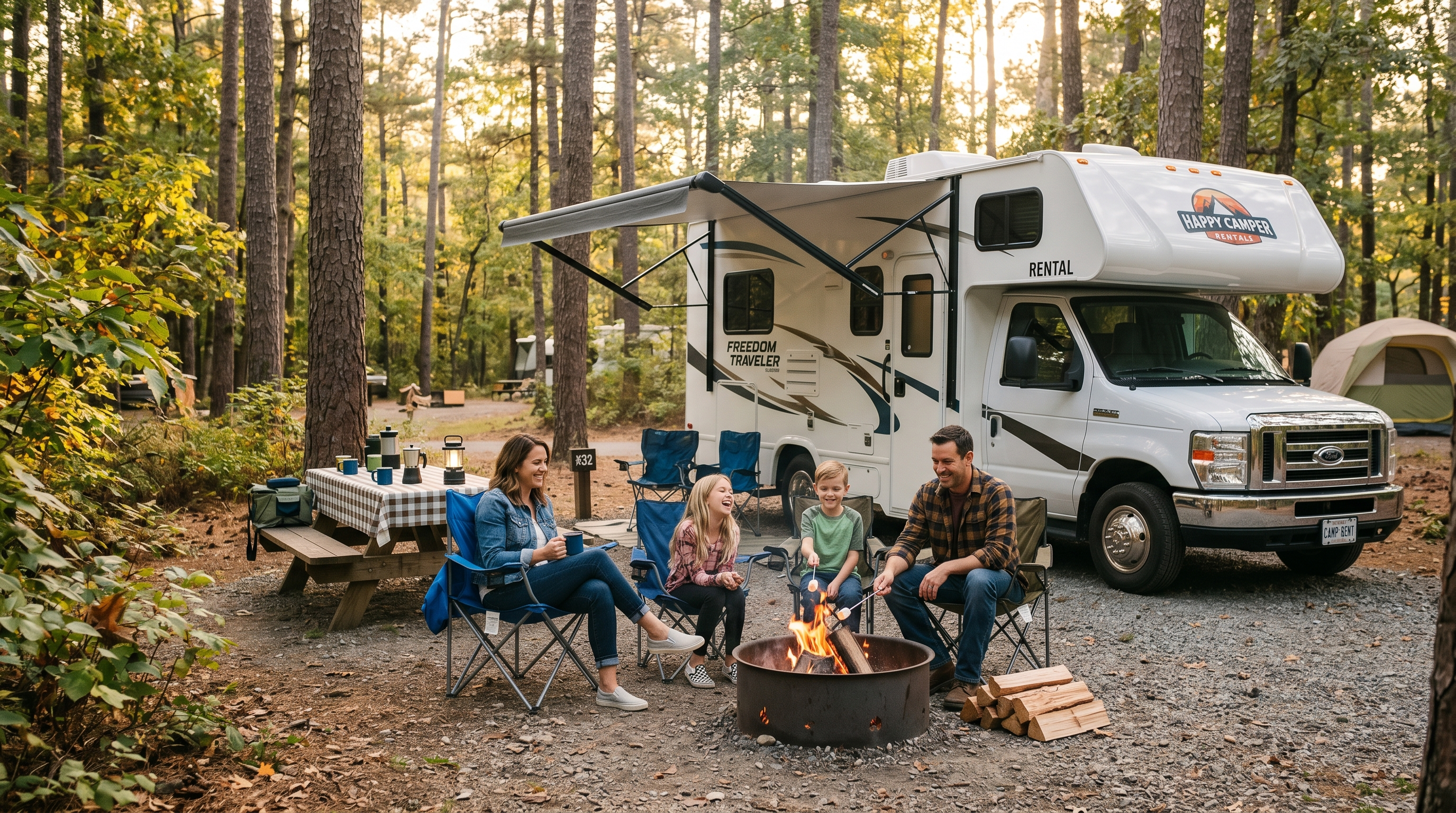
When you arrive, check in, find your site, look at the slope, watch your clearance, and avoid rushing the setup. If you are plugging into power, connecting water, or dumping tanks for the first time, follow the instructions from your rental walkthrough and ask for help if needed.
Most campers would rather help you for two minutes than watch you wrestle a sewer hose like it owes you money.
Beginner Motorhome Rental Mistakes to Avoid
- Booking too much RV: Bigger is not always better if you are nervous behind the wheel.
- Ignoring mileage fees: A cheap nightly rate can change fast if mileage is limited.
- Skipping the walkthrough: You need to know how tanks, hookups, heat, power, and alarms work.
- Overpacking: Less clutter means a better trip.
- Not planning campgrounds: Some places book early, especially in peak season.
- Forgetting dump station rules: Learn before you are standing there with gloves and regret.
- Driving like it is a car: Watch height, width, turning radius, braking distance, and wind.
Questions Beginners Ask Before Renting a Motorhome
Is renting a motorhome cheaper than staying in hotels?
It can be, but not always. A motorhome combines transportation and lodging, but you still need to consider fuel, campground fees, insurance, mileage, generator use, supplies, and cleaning fees.
What is the easiest motorhome for beginners to rent?
Many beginners find Class C motorhomes easier than large Class A rigs while still offering more space than a campervan. Couples and solo travelers may prefer Class B campervans for easier driving and parking.
Should I rent from Cruise America, Outdoorsy, or RVezy?
Cruise America is a good fit for traditional motorhome rentals, Outdoorsy is useful if you want a wide peer-to-peer selection, and RVezy is a strong option for Canadian renters and owners.
Do I need a special license to rent a motorhome?
Usually, a regular driver’s license is enough for many rentals, but rules can vary by location, RV size, and weight. Always confirm with the rental company and your local licensing rules before booking.
Can I bring pets in a rented RV?
Some rentals allow pets and others do not. Always check the pet policy before booking, including cleaning fees, size restrictions, and whether pets are allowed on furniture or beds.
What should I ask during the rental walkthrough?
Ask about driving height, fuel type, tire pressure, hookups, tanks, dump procedures, power, propane, heat, air conditioning, alarms, roadside assistance, and what to do if something stops working.
Ready to Compare RV Rental Options?
Start with the rental guide above, then compare the platforms that fit your trip. Cruise America, Outdoorsy, and RVezy each serve a different kind of renter, which is exactly why it pays to understand your options first.
Compare Rental Platforms


Leave a Reply