

Affiliate Disclosure: I earn commissions if you shop through the links below at no additional cost to you.
Last Updated on March 2, 2026 by Jeremy
Off-grid life gets romanticized fast. It’s all “freedom” and “simple living” until you’re three hours from the nearest hardware store, the weather shifts, and you realize your plan depends on cell service that doesn’t exist out there.
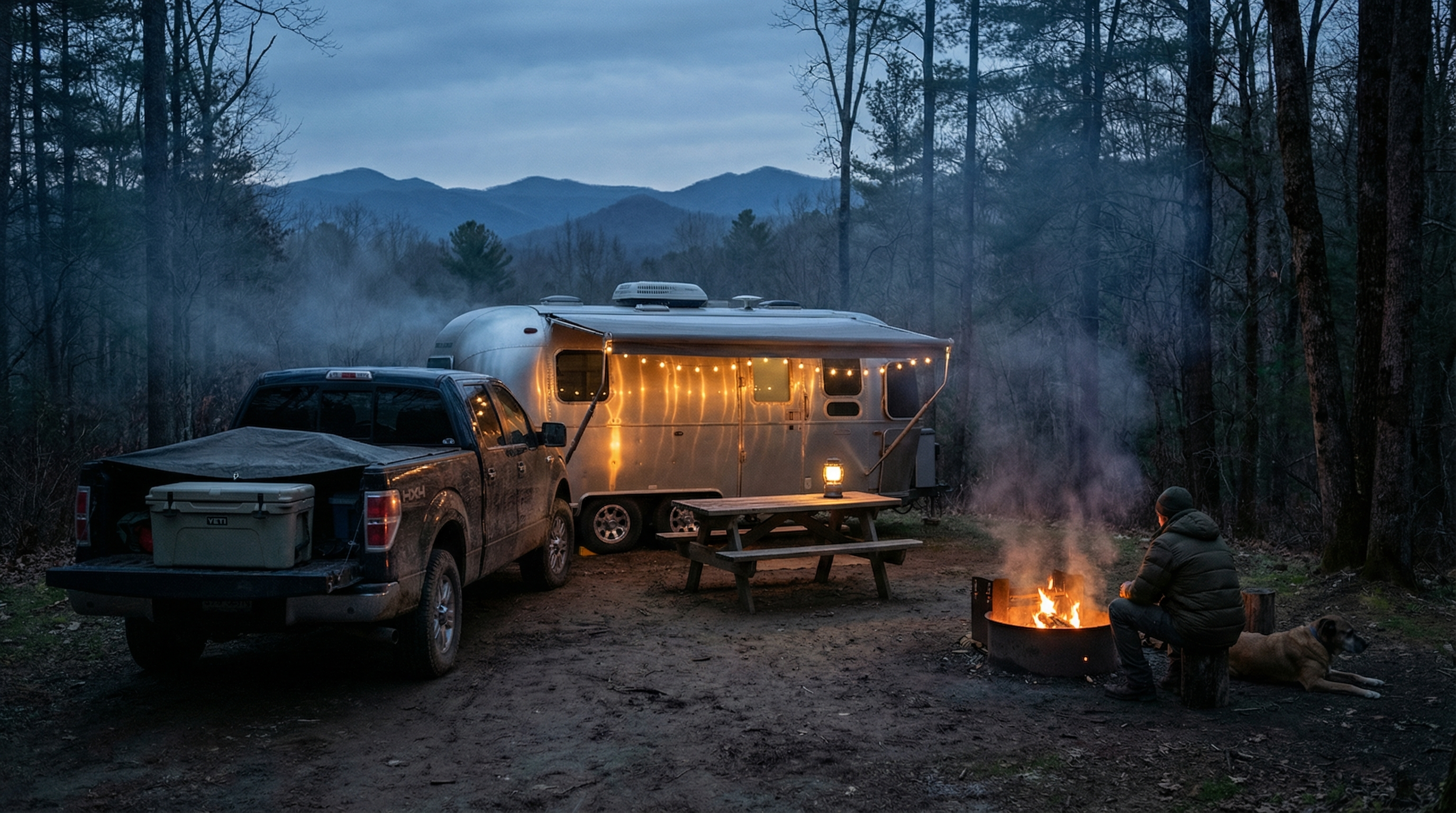
Our first real taste of that was 2022 at Seymour Arm, BC. No grid connection. Generators were king. Wildlife was not a myth. And the lessons were simple: off-grid security is not about fear, it’s about being prepared enough that you can stay calm.
- Security off-grid is mostly prevention: food storage, awareness, and boring habits that stop problems early.
- Your “kit” should be layered: light, sound, visibility, route planning, and emergency basics before anything else.
- Rules change by location: parks, municipalities, and provinces/states often restrict what you can carry or use.
- Velocity Outdoor brands fit into a bigger system: use them as optional layers, not the foundation.
The Common Off-Grid Mistake: Treating Security Like a Gadget Problem
Most off-grid “security” mistakes come from thinking the solution is one product. In reality, the best results come from systems: habits, layers, and a plan that still works when conditions change.
If you’ve ever dealt with wildlife pressure, shifting weather, or a smoke-filled week during fire season, you already know this: the safest campsite is usually the one that looks boring and disciplined.
Real-world baseline: if your setup relies on perfect weather, perfect neighbors, and perfect reception, it’s not a plan. It’s a hope.
What “Off-Grid Security” Actually Means in RV Life
Off-grid security is less about “defense” and more about reducing risk: wildlife conflict, theft-of-opportunity, getting stuck, medical delays, and fire or weather events.
The five risk categories worth planning for
- Wildlife: food storage, cleanliness, and spacing your campsite like you actually want to sleep.
- Weather: staying dry and warm, and not discovering your gear fails when it matters.
- Navigation: knowing where you are, where you can go, and how to leave if conditions change.
- Health delays: first aid readiness and realistic “time to help” thinking.
- Theft-of-opportunity: visibility, lighting, and habits that make your site unattractive.
The Layered Framework: Build Calm, Not Chaos
Here’s the framework that actually holds up on the road. It’s designed to be practical for RVers, not theoretical. You can build it in stages without overbuying.
| Layer | What it solves | Practical examples |
|---|---|---|
| 1) Site discipline | Prevents most wildlife and “camp drama” problems | Clean cooking area, locked storage, no scented trash sitting out, consistent routine |
| 2) Visibility + deterrence | Reduces theft-of-opportunity and surprise encounters | Low-glare lighting, reflective markers, simple noise awareness tools |
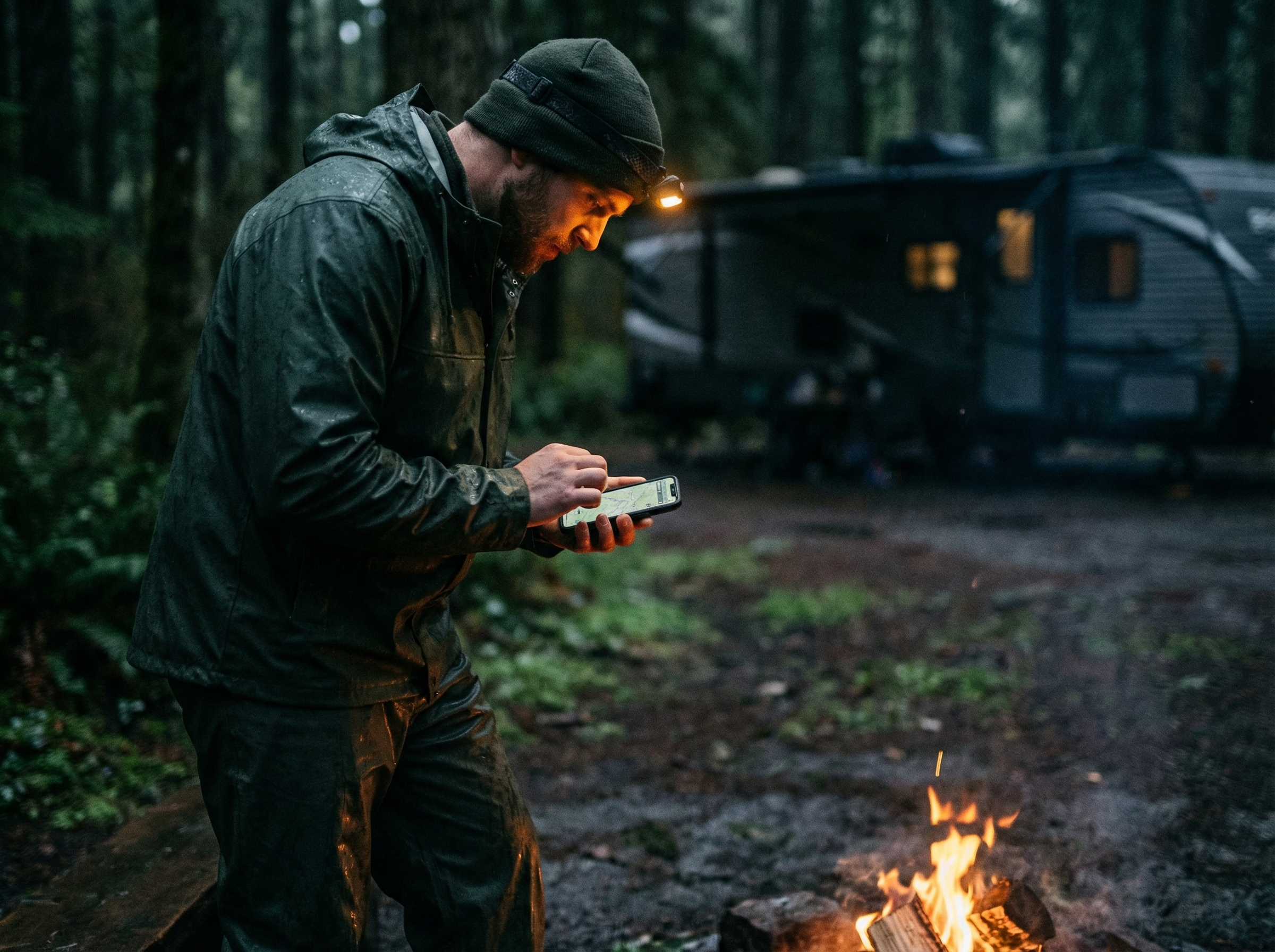
| 3) Weather readiness | Keeps small discomfort from becoming a safety issue | Rain gear, dry layers, fire-start method, quick shelter plan |
| 4) Navigation + exit plan | Stops you from getting trapped by conditions | Offline maps, paper backup, “leave now” thresholds for smoke/wind |
| 5) Communication + time-to-help | Bridges the gap when service is limited | Check-in plan, emergency contacts, realistic assumptions about response times |
This is general preparedness guidance, not legal or medical advice. Always follow local rules and park policies.
Where Velocity Outdoor Gear Fits (Without Making It the Whole Story)
Velocity Outdoor is an umbrella that includes brands RVers run into often in the “preparedness meets outdoor living” overlap. In this article, think of them as optional layers that support the framework above.
Ravin: Food procurement as a regulated skill
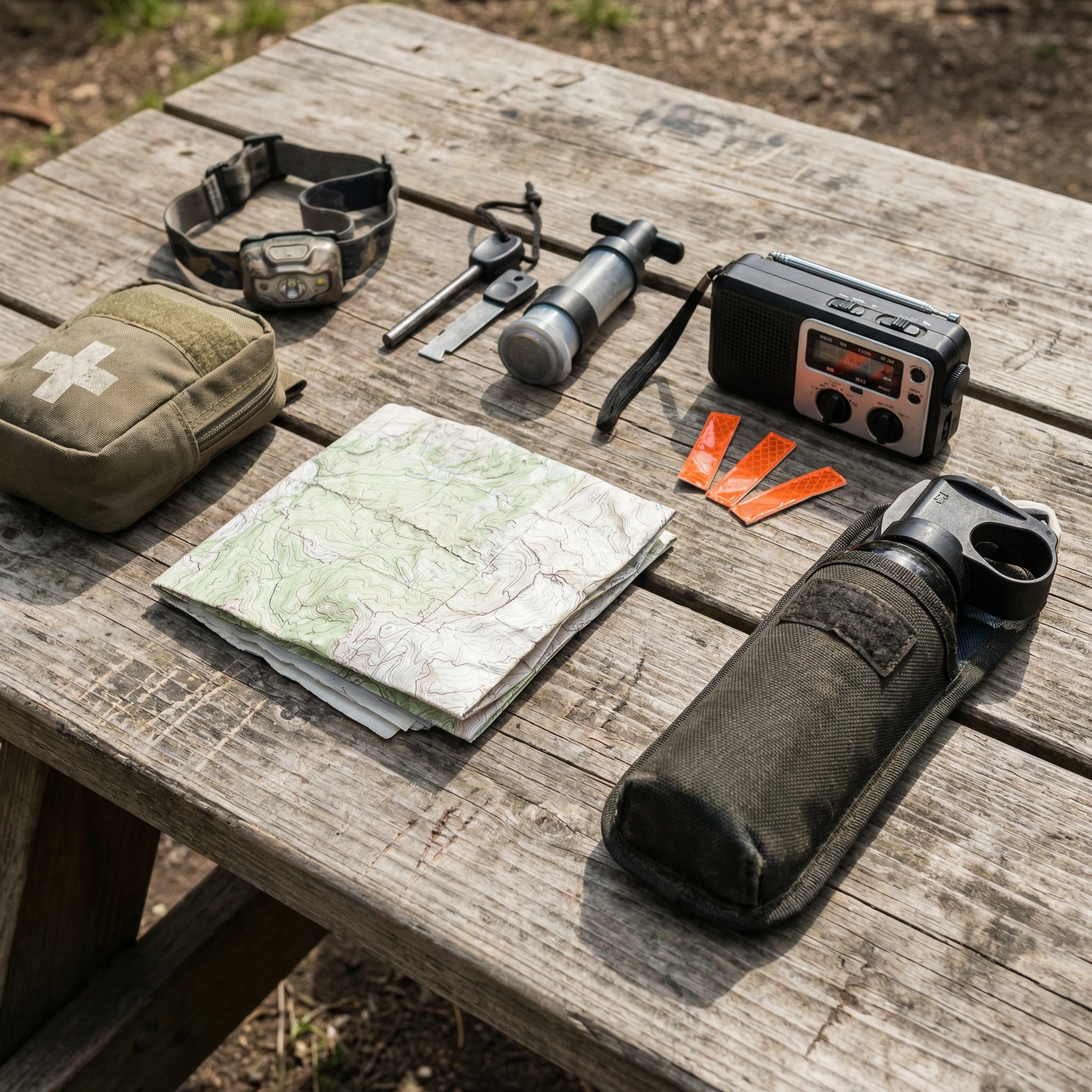
Hunting equipment is heavily regulated, and it’s not something you “improvise” on the road. If you’re operating in an area where it’s legal and you’re properly licensed, compact and reliable gear matters. If you’re not, the correct move is simple: don’t bring it. For the brand overview, keep it contained to the brand page: Ravin Crossbows brand page.
Crosman: Airguns and the reality of rules
Airguns are often treated as weapons by parks and campgrounds, even when they’re legally owned. If you want the brand-specific breakdown (and the “where this is allowed” reality check), keep it on the brand page: Crosman brand page.
King’s Camo: The underrated security layer is staying dry
The fastest way to make bad decisions off-grid is being cold, wet, tired, and annoyed. Weather layers are a practical “security” upgrade because they keep you functional. Brand overview here: King’s Camo brand page.
For broader “whole setup” off-grid planning (power, water, route decisions), this guide supports the bigger picture: Off Grid RV Living Guide.
Rules and Restrictions: Verify Before You Travel
Rules change by jurisdiction and by property type (public park, private campground, municipal bylaws). Even if something is legal to own, it may be prohibited to carry or use in specific places.
-
Canada (federal baseline): Start with official RCMP and federal law references, then verify provincial/municipal restrictions.
RCMP Firearms Program
Firearms Act (Justice Laws Website) -
BC Parks (example of strict policy environments): Policies and enforcement can vary by park and season.
Confirm rules directly with the park authority before arrival.
BC Parks (official site) -
United States: Rules often vary by state and municipality. Use official state government or local authority sites for your route.
For federal-level context:
ATF (official site) -
Shipping and carrier restrictions: Policies can affect what can be shipped and where.
Canada Post: Firearms & restricted items
UPS: Firearms shipping policy
This is not legal advice. Verify current rules for your exact location and route before buying, transporting, or using regulated equipment.
Practical Scenarios: What Changes When Things Go Sideways
Scenario 1: Smoke rolls in overnight
If smoke thickens, your “comfort plan” becomes an exit plan. The best move is often leaving early, not waiting until everyone else decides the same thing. Your threshold should be pre-decided: visibility, wind, air quality alerts, and how fast conditions are changing.
Scenario 2: Wildlife pressure increases
The fix is almost never “more gear.” It’s campsite discipline. Food storage, clean cooking area, no scented trash sitting out, and reducing attractants. Most issues start with habits, not bears “being bears.”
Scenario 3: You’re out of service and you’re delayed
This is where planning matters: someone knows your location, your check-in time, and your next intended move. It’s boring. It’s also what turns a delay into “not a big deal” instead of “where did they go?”
FAQ: Off-Grid Security and Survival for RVers
What is the most important part of off-grid security?
Prevention. Campsite discipline, wildlife-safe storage, and a realistic exit plan solve more problems than any single product.
Are airguns allowed in campgrounds and parks?
Often no. Policies vary by park authority and private property rules. Verify rules for the specific location before you travel.
What should I prioritize first for off-grid preparedness?
Fire-start capability, clean water, weather layers, navigation with offline backup, and a communication/check-in plan. Build outward from there.
How do I avoid wildlife problems at my campsite?
Store food securely, keep the cooking area clean, manage trash immediately, and reduce attractants. Most “bad nights” start with preventable habits.
Where should I start if I want a full gear breakdown?
Start with the foundational guide here: Off-Grid Survival Gear and Security Essentials. It’s built to help you layer systems instead of buying randomly.
Soft Close: Start Smart, Then Layer Up
The off-grid goal isn’t to “gear up.” It’s to stay calm when conditions change. Start with habits and systems, then add gear where it actually supports your plan.


Leave a Reply