

Size your power station around what you’ll actually plug in.
EcoFlow’s RIVER and DELTA lines cover everything from charging devices at camp to backing up circuits at home. Start with the gear you need to run and the time between charging stops.
This page contains affiliate links. I may earn a commission at no extra cost to you.

Which EcoFlow fits your setup?

RIVER 3 Plus for a weekend kit
Start here for phones and other small electronics when you want something you can carry easily. Compare the standalone station with the solar and extra-battery bundles based on what you’ll actually pack.
See official specs and options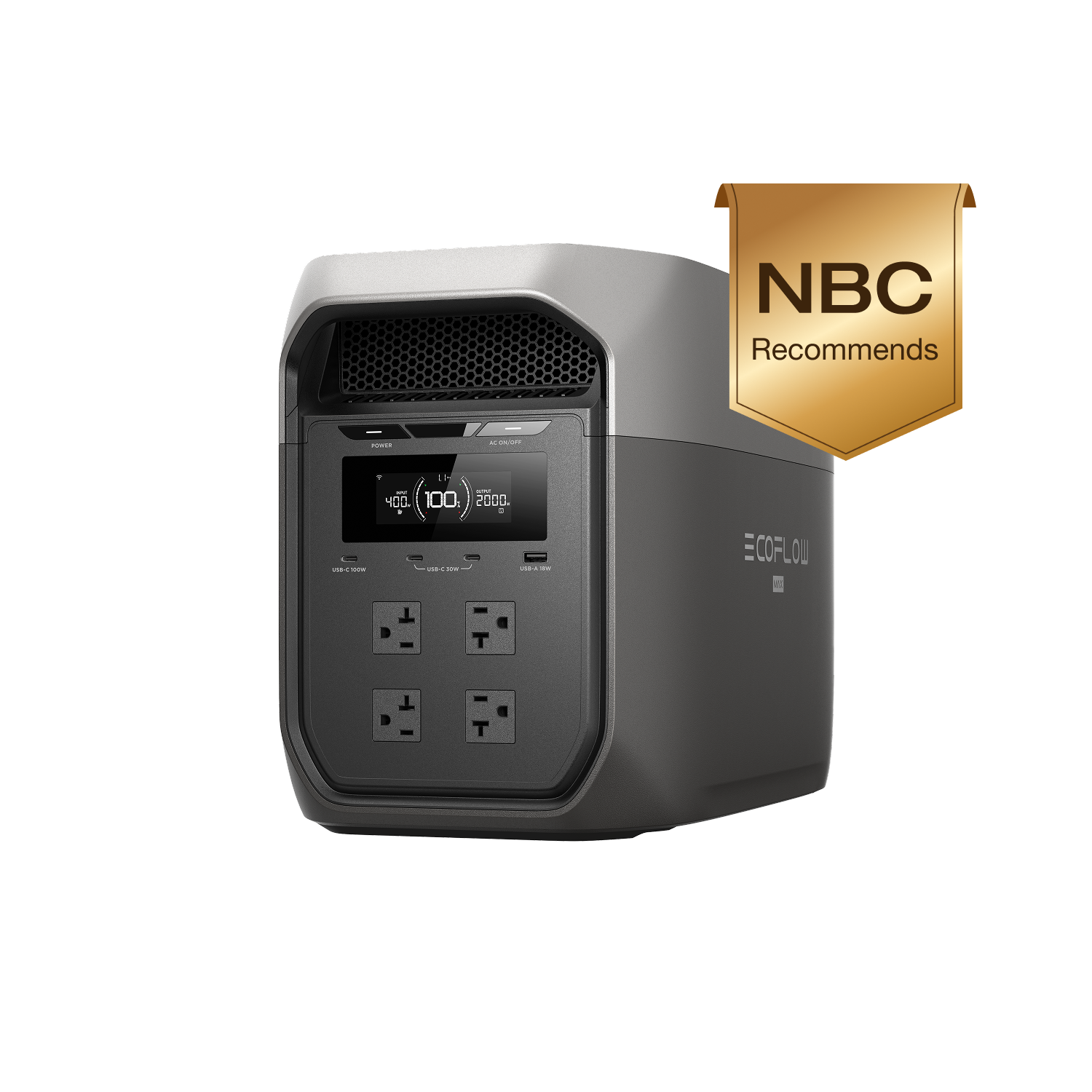
DELTA 3 Max Series for longer RV trips
This 2,048 Wh class is a better starting point when you have several devices to run between hookups. Compare the Max and Max Plus for the ports and charging inputs you need, then make sure you have a place to put the unit.
See official specs and options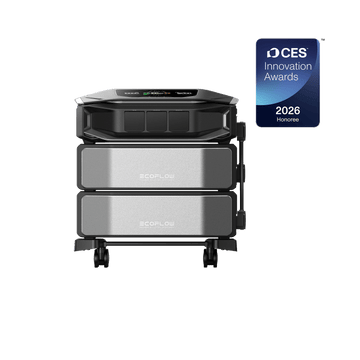
DELTA Pro Ultra X for home backup
EcoFlow’s U.S. DELTA page lists this among its best sellers. Consider it if you’re shopping for a dedicated home setup. Price the complete system and ask a qualified installer about the house circuits you want backed up.
See official specs and optionsDo you need solar panels right away?
If you can recharge at home before a short trip, compare the station by itself first. For longer stays away from hookups, estimate what you’ll use each day and check the station’s solar-input limits before matching a panel. Shade, weather and shorter days change how much energy a panel can put back in.
A small panel such as EcoFlow’s 45 W portable option is useful to compare for light travel charging. If you’re shopping for a bigger DELTA setup, compare larger compatible panels and how you’ll carry and place them.
Prefer to compare the RIVER 3 Plus on Amazon?
These links search for the RIVER 3 Plus. Compare the exact model and bundle. A listing with an extra battery or solar panel can look similar to the standalone unit.
As an Amazon Associate I earn from qualifying purchases.
What I’d check before buying
- Watts for what runs together: Add the loads you’d use at the same time and check startup requirements for appliances with motors or compressors.
- Watt-hours for how long they run: Multiply each device’s watts by its estimated hours of use, then leave room for conversion losses and reserve.
- Charging on the road: Decide whether you’ll rely on hookups, vehicle charging or solar. Check the exact model’s input limits, accessories and cables.
- Fit and delivery: Check packed dimensions, lifting weight, local warranty and return terms.
Keep that load list nearby so you can compare stations again once you know your trip length and charging stops.
Why EcoFlow belongs in our directory
After years travelling with a trailer, I’ve found the useful question is how long we’ll be between reliable places to recharge. A weekend of charging phones is a different job from keeping several devices running through a longer stay. I’m comparing these EcoFlow models using their published specs and how they fit those trips.