


Staying connected on the road isn’t a luxury anymore. It’s how you navigate, book, bank, work, stream, and keep in touch. The problem is most RV internet options fall into one of two categories: campground Wi-Fi that barely works, or phone plans that get expensive once you actually start using them.
TravlFi is built for travelers who want a simpler “turn it on and get online” approach. The core idea is flexibility: use it when you’re traveling, pause when you’re not, and connect where there’s cellular coverage without being locked into one carrier ecosystem.
Disclosure: This page contains affiliate links. If you purchase through them, I may earn a commission at no extra cost to you.
Who this is for: RVers who move often, weekend travelers who don’t want year-round contracts, and digital nomads who need a reliable backup connection.
Why TravlFi Makes Sense for RV Travel
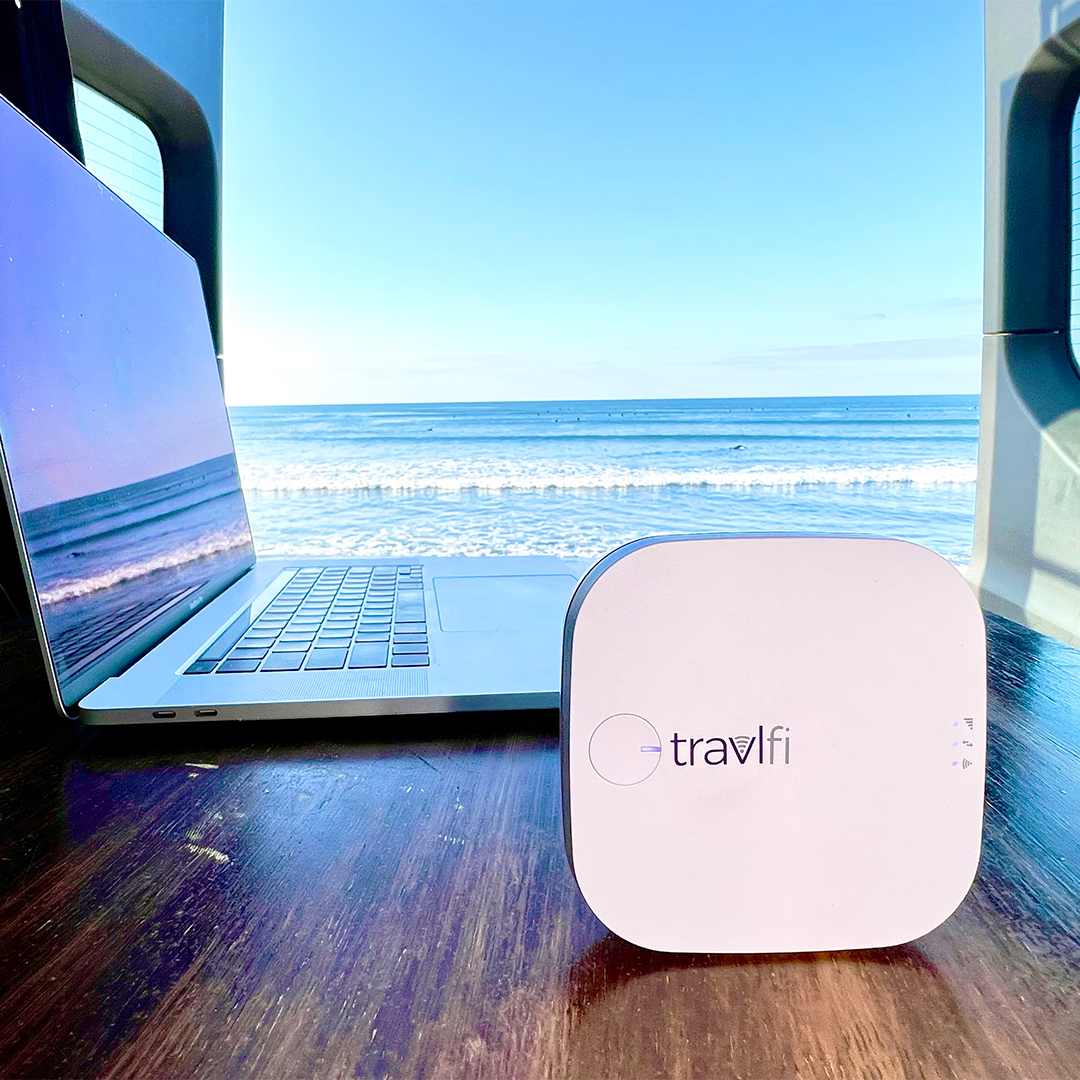
- Travel-friendly flexibility: better fit for seasonal travel and on/off road time.
- Plug-and-play mindset: less setup friction than building a custom router + SIM stack.
- Multiple-device support: keep phones, laptops, tablets, and streaming devices online.
- Good “Plan B” internet: when campground Wi-Fi collapses or towers are congested.
RV reality check: any cellular-based solution still depends on tower coverage. If you camp in true dead zones, your best “always works” fallback is satellite (like Starlink).
Top TravlFi Products for RVers (Curated)
1) JourneyGo Hotspot (Simple Portable Option)

If you want the simplest “throw it in the rig and go” option, JourneyGo is the lightweight entry point. It’s built for casual travel, quick setups, and keeping the essentials online without turning your RV into a network lab.
- Up to 16-hour battery: good for day trips, travel days, and quick stops.
- Connect up to 10 devices: solid for couples and small families.
- 4G LTE connectivity: best for general browsing, email, navigation, and light streaming.
Best for: weekend trips, travel days, and RVers who want a portable backup without a full router setup.
2) JourneyXTR Router (Availability Varies)

If you’re staying longer, working remotely, or sharing internet across multiple devices, a router-style setup usually feels more stable than a basic hotspot. The JourneyXTR is the “more serious RV internet” step up when it is available; current stock may be limited to open-box units.
- Better for multiple devices: steadier for remote work and streaming routines.
- Designed for RV use: built around travel connectivity scenarios.
- Best for: seasonal stays, remote work, and family rigs.
Best for: RVers who need consistent coverage inside the rig and don’t want to rely on one phone hotspot.
3) XTR Pro 5G (Higher Performance Option)

This is the higher performance lane for full-timers and heavier users. If you’re running video calls, uploading content, homeschooling, or generally living online, the “premium router” tier tends to reduce frustration.
- Built for heavier usage: better suited to work + streaming overlap.
- Stronger long-stay fit: when your RV internet is daily life, not occasional.
- Best for: full-timers, creators, remote workers, and larger families.
Best for: the “internet matters every day” crowd, not the occasional check-email traveler.
Pros & Cons
Pros
- Flexible travel-first approach (good for seasonal RVers).
- Simple setup compared to DIY router + SIM setups.
- Multiple device support depending on the unit tier.
- Useful backup internet when campground Wi-Fi is unusable.
Cons
- Cellular-based: true dead zones are still dead zones.
- Costs can add up for heavy data users depending on usage patterns.
- Performance varies by location and tower congestion (like any cellular service).
Who Should Use TravlFi?
- Weekend RVers: who want reliable internet without year-round contracts.
- Seasonal travelers: who travel hard for a few months and then park it.
- Remote workers: who need a backup plan when Wi-Fi fails.
- Families: who need multiple devices online without tethering one phone.
If your camping style is deep backcountry with no towers at all, pair cellular internet with satellite as your true fallback. The best setups are usually layered, not one single “magic device.”
What RVers Commonly Say
TravlFi feedback patterns tend to cluster around a few points:
- Flexibility: people like paying for travel months instead of paying all year.
- Simplicity: less technical setup compared to building a DIY router solution.
- Consistency: works well where there is coverage, and becomes a go-to backup when campground Wi-Fi fails.
Practical note: if you’re evaluating any RV internet solution, your biggest factor isn’t the device. It’s your travel style, tower density where you camp, and how much data you actually use.
Get TravlFi for RV Travel
Flexible, travel-friendly internet options designed for RVers and digital nomads. No long-term commitment required.
Explore TravlFi Options