


Shop the Amazon store that serves your trip.
Start with the part number, your RV’s measurements or the job you need done. Choose Canada or the U.S. to compare listings in the right storefront.
As an Amazon Associate I earn from qualifying purchases.
Start with the RV gear you need

RV plumbing and sanitation
Match the fitting and hose length to your RV. A potable-water hose and a sewer hose serve separate jobs.
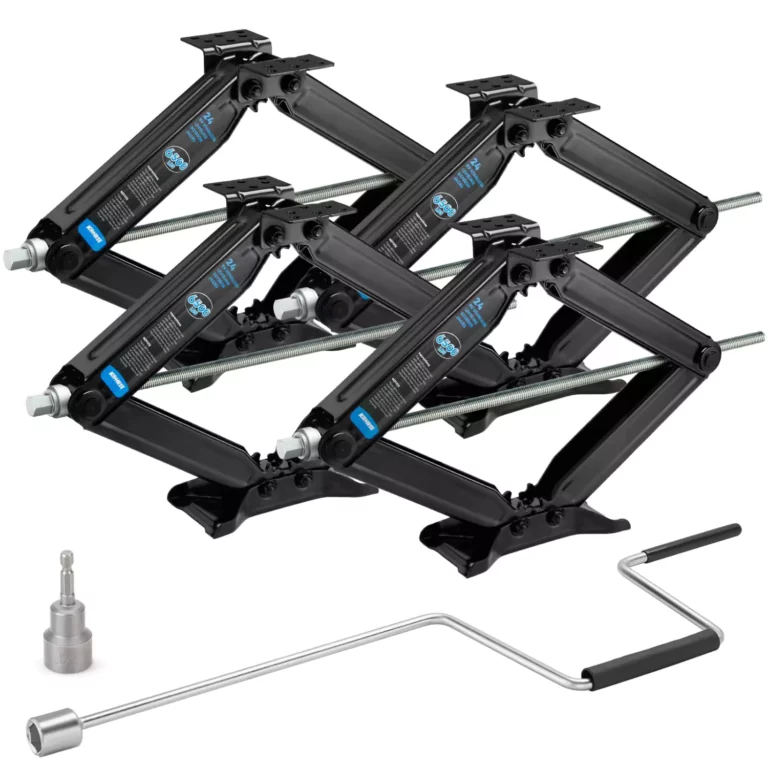
Leveling and campsite setup
Check your tire footprint, the product’s rated limits and whether the blocks will fit your storage bay.

Towing accessories
Start with your existing part number or the dimensions and ratings in your vehicle and trailer manuals.

Camp kitchen and storage
Measure the cabinet or storage bay before ordering. Start with the cookware you use on a typical trip.

Replacement parts
Check the manufacturer, model and measurements. Search the part number when it’s available.
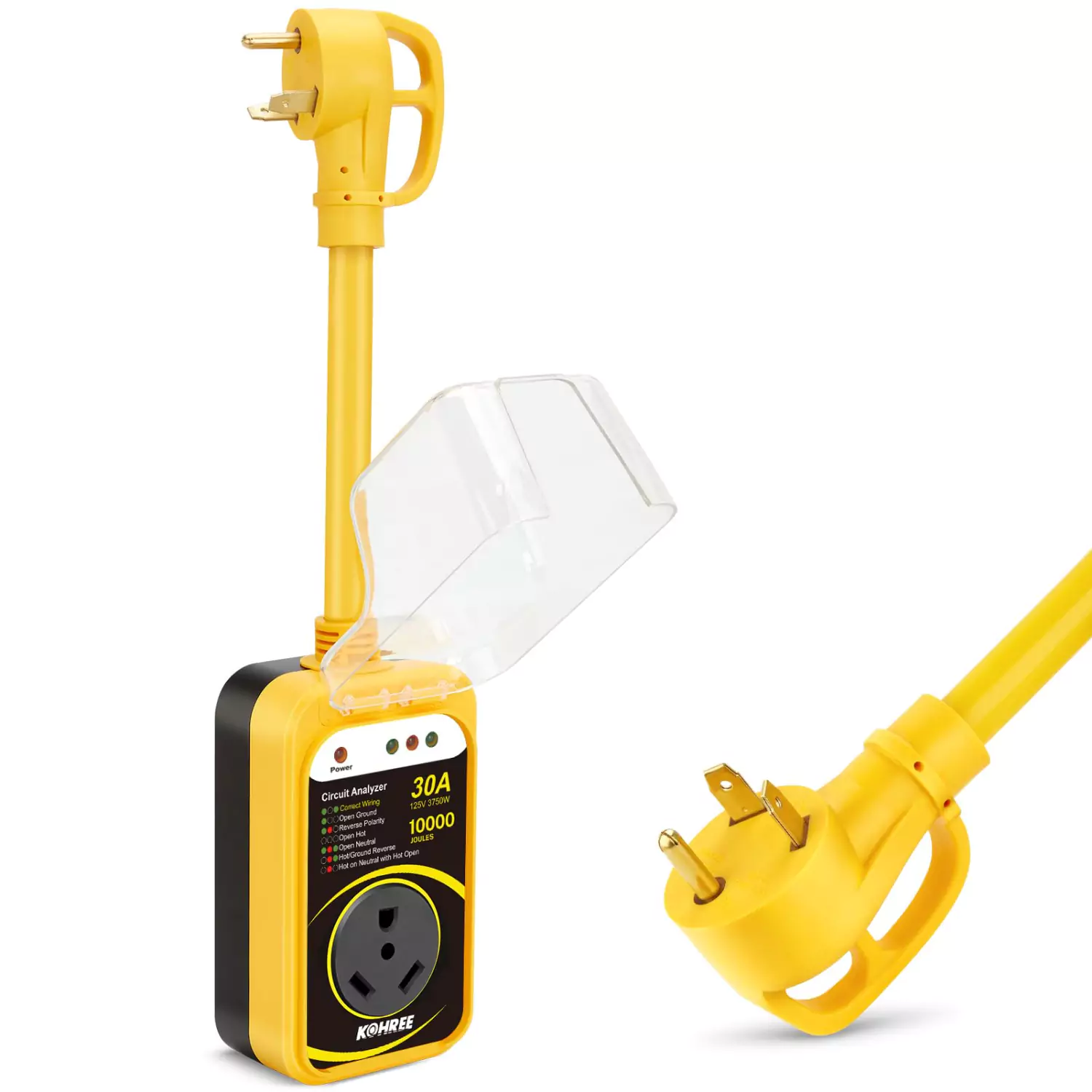
RV electrical accessories
Confirm your RV’s shore-power rating and check the product documentation for the functions you need.
What I’d check before ordering
- Fit: Compare the part number, size and included accessories with the original.
- Seller: Check who sells the item and who handles returns and warranty questions.
- Delivery: Verify the final cost and delivery date against your travel plans.
When you already know the brand, use the directory to compare the manufacturer’s offer with the marketplace listing.
Why Amazon belongs in our directory
Years of travelling with a trailer taught me to keep a list of the parts that fit our actual rig. I use that same approach here: start with the item you need, then compare the options by fit, seller and arrival date.
How I’d get an Amazon package while camping
I worked with a guy who ordered from Amazon just about every day. His cart was always full, but he only checked out with what he needed. He’d make a weekly run to the nearest pickup point or have a package dropped at a friend’s place. When we ran campgrounds in B.C., I also saw campers arrange to pick up orders at the post office.
That’s how I’d handle it on the road: keep a list, order what you need, and send it somewhere you know you’ll be able to collect it.
- Amazon pickup point: If checkout offers a pickup location for your order, choose one you’ll actually pass. Wait for the pickup notice and check the collection deadline before heading over.
- Friend’s address: Ask first and agree on when you’ll collect it. Double-check the address before placing the order.
- Post office in Canada: Set up Canada Post FlexDelivery first. Use the assigned address only when the seller can ship to a Canadian PO box.
- Campground office: If you’re staying long enough, ask whether staff accept packages and which carriers can deliver there. Get the exact address and any instructions for including your name, site number or reservation. Leave some room between the expected delivery and your checkout day.