
Affiliate Disclosure: I earn commissions if you shop through the links below at no additional cost to you.
Last Updated on April 18, 2025 by Jeremy
Campervan living in 2025 is more than a trend—it’s a full-blown movement. And while I’ve never personally owned or traveled in a campervan (my rig of choice has always been a solid bumper pull, with fifth wheels getting honorable mention), I’ve spent enough time chatting with vanlifers at campgrounds to understand why this lifestyle is booming right now—and why it’s not slowing down anytime soon.
In our years as park operators across B.C., I’ve met everyone from weekend wanderers to full-time road warriors living out of vans they’ve customized themselves. One guy last season had a diesel rig that looked like it just rolled out of a Mad Max movie—solar panels, big mud tires, custom mounts and racks on the outside, and a completely tricked-out interior built for off-grid festivals and mountain getaways. And he wasn’t alone. These vans are popping up everywhere—and they’re getting smarter, more compact, and wildly more efficient.
So if you’re wondering what the fuss is all about, or even considering making the switch after the kids move out (hey, I might join you), here’s what campervan living looks like in 2025.
Vanlife in 2025: Why the Surge?
It’s simple—people want freedom without the bulk.
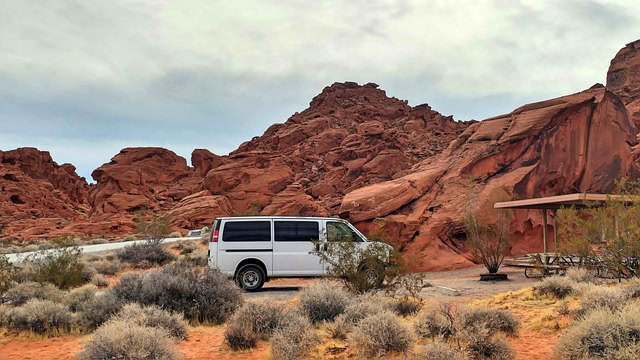
Unlike traditional motorhomes or towables, campervans offer something most rigs can’t: urban stealth, agility, and low-maintenance mobility. In 2025, we’re seeing a surge of solo travelers, couples, and even digital nomads trading in the suburban routine for something a little more spontaneous.
Why? Because this lifestyle:
- Cuts down on fuel and insurance costs
- Lets you camp just about anywhere (hello, stealth camping)
- Simplifies travel with fewer breakdown points
- Fits into tighter campgrounds, city parking lots, and remote off-grid sites
And now with advances in solar setups, mobile connectivity, and creative interior design, you’re not sacrificing comfort—just size. Which, let’s be honest, might be exactly what you need.
Mid-Trip Reality Check: Vanlife Ain’t Always Glamorous
Now before you scroll off to price out a Sprinter van, let’s check in.
Vanlife looks dreamy on Instagram, but it’s not all beaches and French presses. One guy I met in Golden, BC said it best: “I built it from scratch, and I’m still building it. It never ends.”
That same guy spent a full week figuring out his water pump setup—then had to reroute everything when he added a composting toilet. So yeah, it’s a dream, but it’s a gritty, duct-tape-and-headlamp kind of dream. That’s part of the charm.
Must-Have Features of Modern Campervans
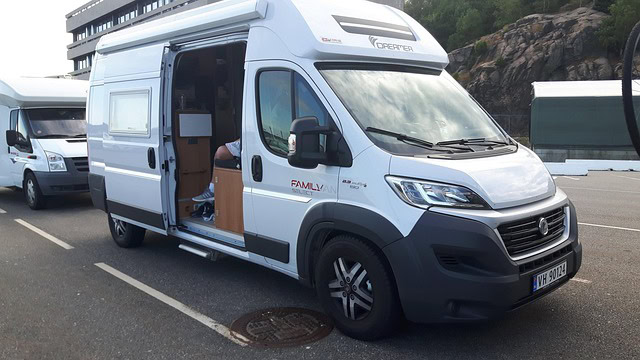
So what separates a 2025 campervan from that beat-up Econoline you saw in the 90s?
Here’s what people are packing into their rigs now:
- Solar power with lithium batteries for true off-grid capability
- Swivel seats to convert the cab into a living space
- Modular furniture that turns into beds, desks, or storage
- Diesel heaters to stay warm during shoulder-season travel
- Roof racks and exterior mounts to carry bikes, paddleboards, or extra fuel
Speaking of heat—if you’re planning to travel in cooler temps, don’t skip this internal guide on portable diesel heaters. There’s nothing worse than waking up with your nose frozen in your van because you cheaped out on heat.
Should You Convert or Buy Pre-Built?
There are really two paths:
- DIY Conversions – You get full control over the layout, materials, and cost. But it takes time, tools, and a bit of madness.
- Pre-Built Vans – These come ready to roll but can be pricey. Think six figures if you’re going fancy.
The sweet spot in 2025 seems to be semi-converted vans—used delivery vans or sprinters that someone else started but never finished. There’s an entire subculture of DIY builders trading parts, layouts, and hacks. If you like to tinker, this might be your zone.
Need a few models to compare? Here’s a list of the best small campervans in 2025 that are crushing it right now.
What’s Next: Where Vanlife is Headed
If I had to put my finger on the next big thing in vanlife, it’s this:
Sustainable, compact rigs with hybrid functionality.
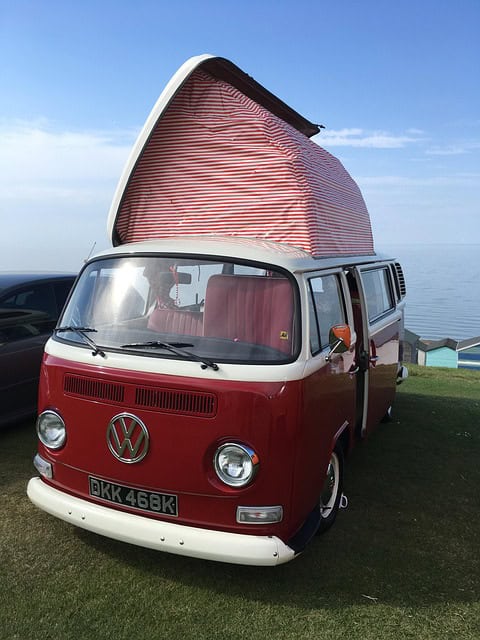
Think small vans with rooftop tents. Or electric campervans paired with solar-charging trailers. There’s also a push toward modular living, where your entire van interior can be rearranged like Lego depending on your trip type—work, play, or sleep.
As for me? I’ve still got a soft spot for the big haulers, but I wouldn’t rule out a campervan down the road—especially once the kids fly the coop and we’re ready for something smaller, stealthier, and built for two.
Final Thoughts
Campervan living in 2025 is proof that travel doesn’t have to be complicated to be meaningful. Whether you’re drawn to the freedom, the minimalism, or the off-grid potential, one thing’s for sure: this isn’t just a phase—it’s a shift in how people want to live.
And while I may still be rolling around in my bumper pull for now, I’ve got a deep respect for the vanlifers out there chasing sunsets with a diesel heater humming in the background.
Want more gear tips, off-grid stories, or road-tested RV know-how? Poke around the rest of EverythingRVsandMore.com. The road’s calling—and we’re just getting warmed up.




.jpg/:/cr=t:5.56%25,l:0%25,w:100%25,h:88.89%25/rs=w:1240,h:620,cg:true)




Leave a Reply