
Affiliate Disclosure: I earn commissions if you shop through the links below at no additional cost to you.
Last Updated on February 11, 2026 by Jeremy
There’s something about the outdoors that keeps pulling us back. Fresh air, quiet mornings, the “nobody can email me out here” feeling. But the wild has a habit of humbling people who show up under-prepared.
Whether you’re camping, hiking, hunting, or just trying to be a little more self-reliant, the right gear isn’t about looking the part. It’s about staying comfortable, staying safe, and not turning a good day into an avoidable problem.
TL;DR: If you only remember five things…
- Shelter + sleep are your comfort foundation. A bad night makes everything harder.
- Cooking + water are your energy system. Eat smart, drink safe.
- Footwear + pack fit decide whether your hike is fun or punishment.
- Hunting gear is mostly clothing, optics, and legality. Plan for safety and regulations first.
- Survival gear is boring on purpose: light, navigation, first aid, and layered backups.
Camping Gear: Build Your “Home Base” Without Overpacking
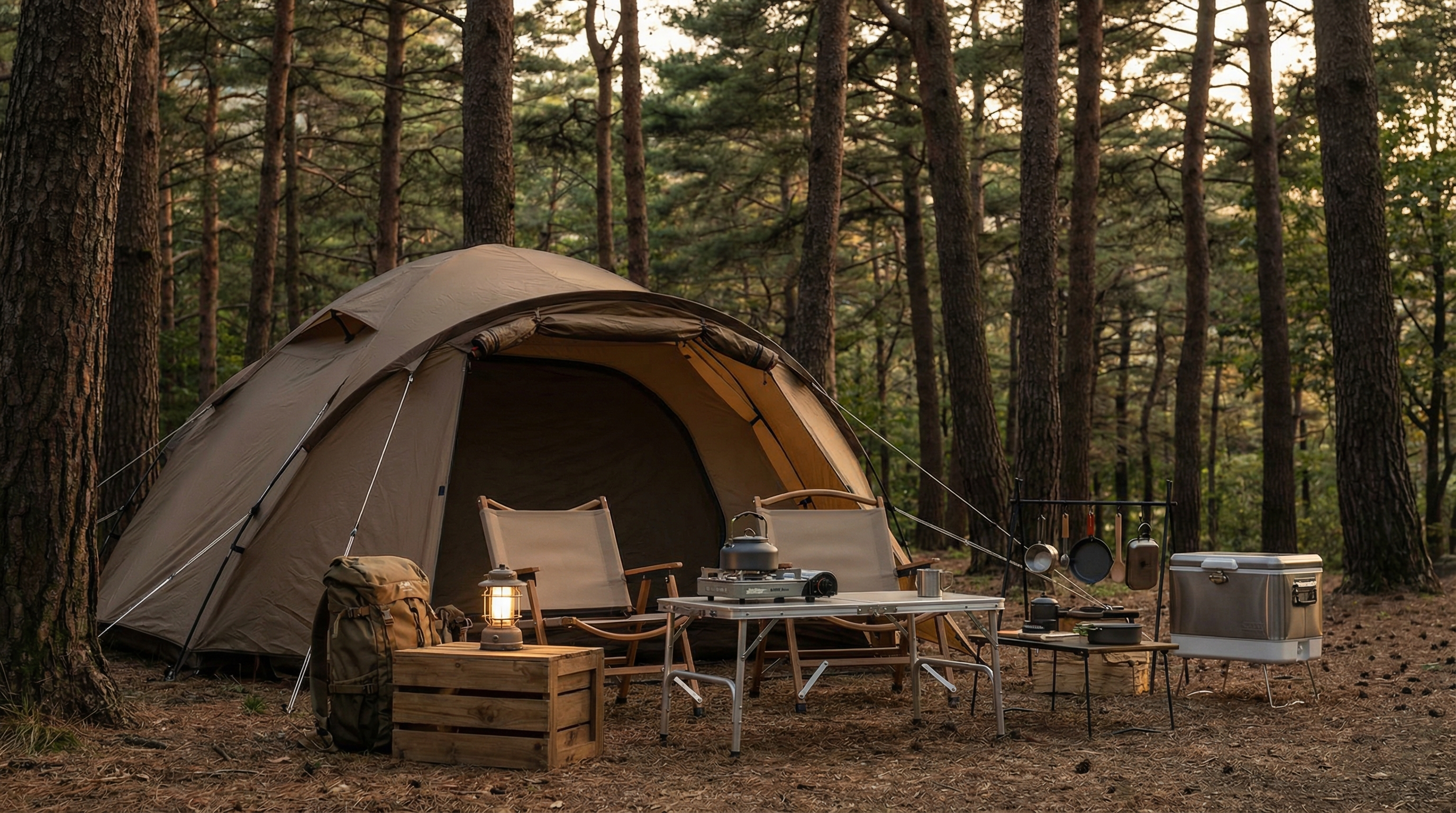
Camping gear should do one thing really well: make you comfortable without turning your vehicle (or RV storage bay) into chaos. I look at camping as a system: shelter, sleep, cooking, and weather protection.
Tent quality, rain management, and airflow matter more than “how many people it claims to fit.” If you’re using established campgrounds, having a reliable retailer for camp basics is half the battle.
Brand hub: Eastern Mountain Sports (EMS)
Compact systems win. If boiling water takes forever or your cookware is bulky, you’ll stop using it. This is why the “nesting” and “packs down clean” brands get loyal fans.
Brand hub: Fire Maple
Low-drama camping rule: plan for weather before you plan for comfort. “Nice forecast” is not a guarantee. Leave No Trace principles are also worth re-reading once a season, especially around camp setup and waste handling.
Hiking Gear: Comfort and Safety Live on Your Feet and Your Back
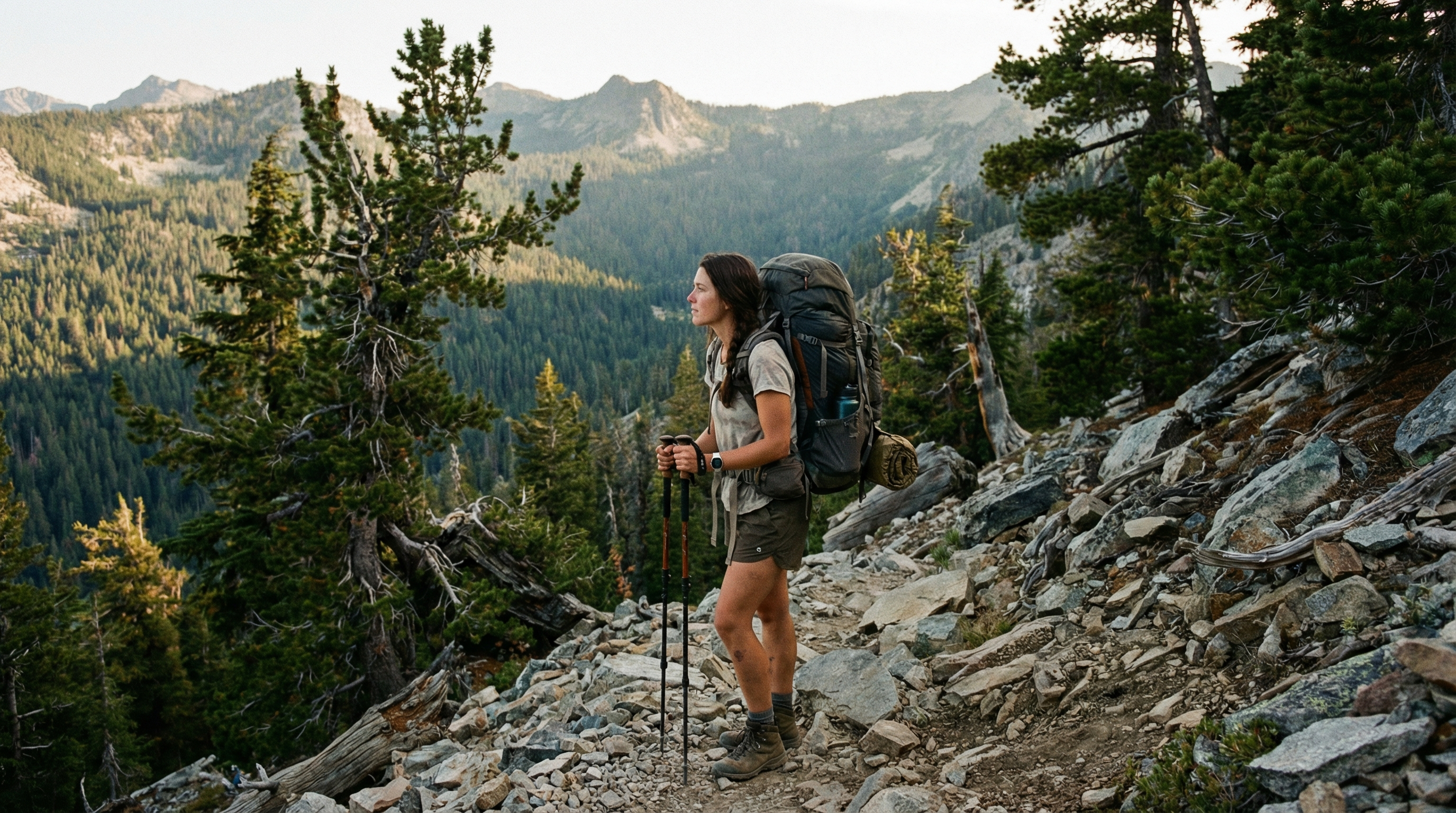
Hiking “gear” sounds like a shopping list, but most hiking problems are predictable: blisters, not enough water, wrong layers, and getting turned around. Solve those four and you’re already ahead of most trailhead parking lots.
What actually matters first
- Pack fit: straps and hip belt that distribute weight instead of punishing your shoulders.
- Footwear: traction + support + comfort. Break them in before you commit to distance.
- Navigation basics: offline maps and a simple “where am I + where am I going” plan.
- Weather check: don’t rely on vibes. Check forecasts before you roll out.
Brand hub: Montem Outdoor Gear
Map nerd moment (useful one): Topographic maps show land shape and terrain detail in ways standard maps don’t, which is why they still matter for hiking and backcountry travel.
Hunting Gear: Do It Safely, Do It Legally, Do It Respectfully
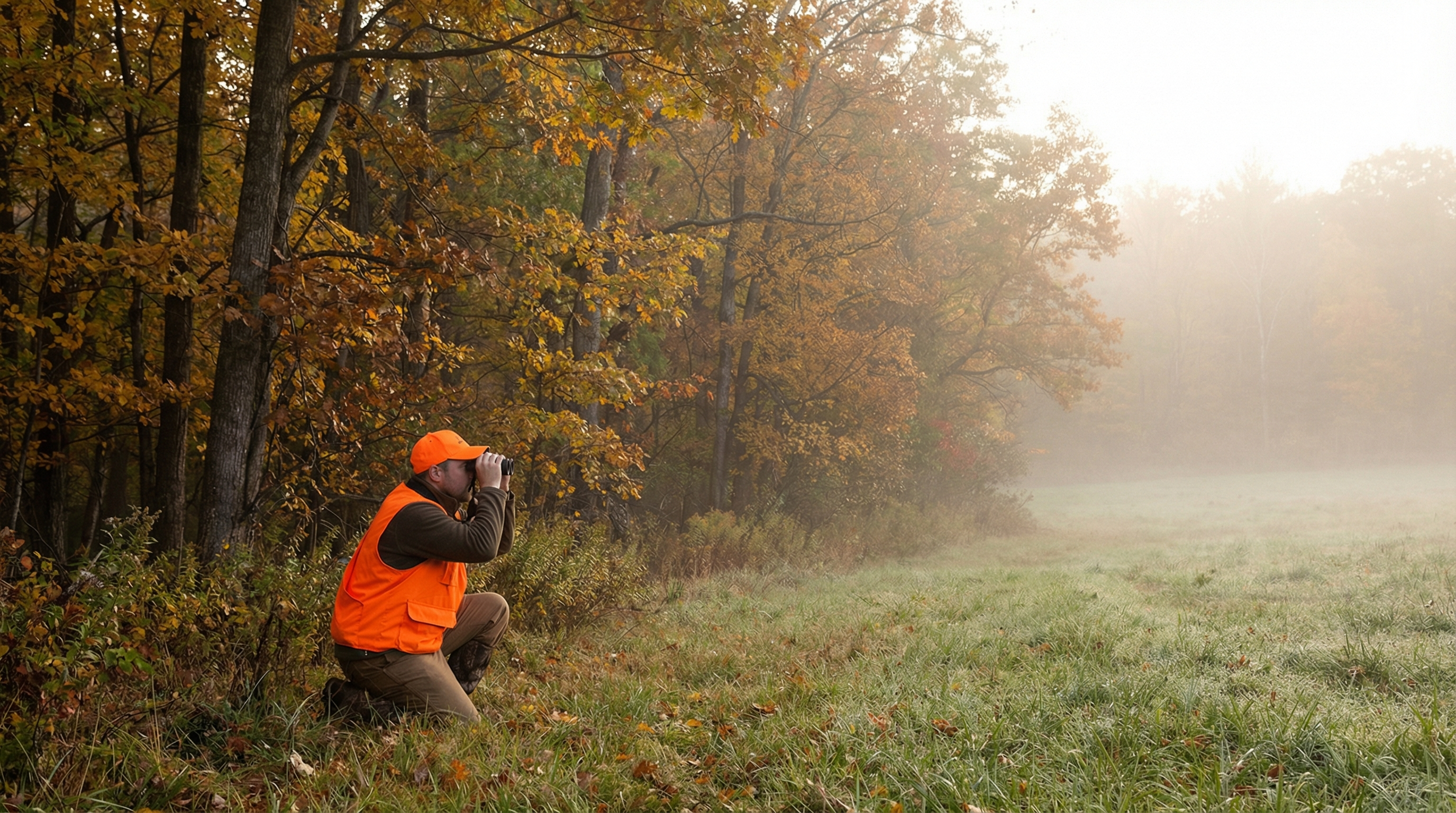
Hunting gear is a lot less about “cool stuff” and a lot more about being prepared, being visible when required, staying within the rules, and making smart decisions in changing conditions.
The “smart basics” that matter most
- Clothing and layers: stay warm, stay dry, don’t gamble with hypothermia.
- Visibility requirements: follow your local regulations (blaze orange rules vary by region).
- Optics: binoculars and field accessories help you observe responsibly and reduce guesswork.
- Navigation + comms: know where you are, how to get back, and what your backup plan is.
Brand hubs for hunting-focused gear: Cabela’s, King’s Camo, Crosman, Ravin Crossbows.
Survival Gear: Preparedness Without the Drama
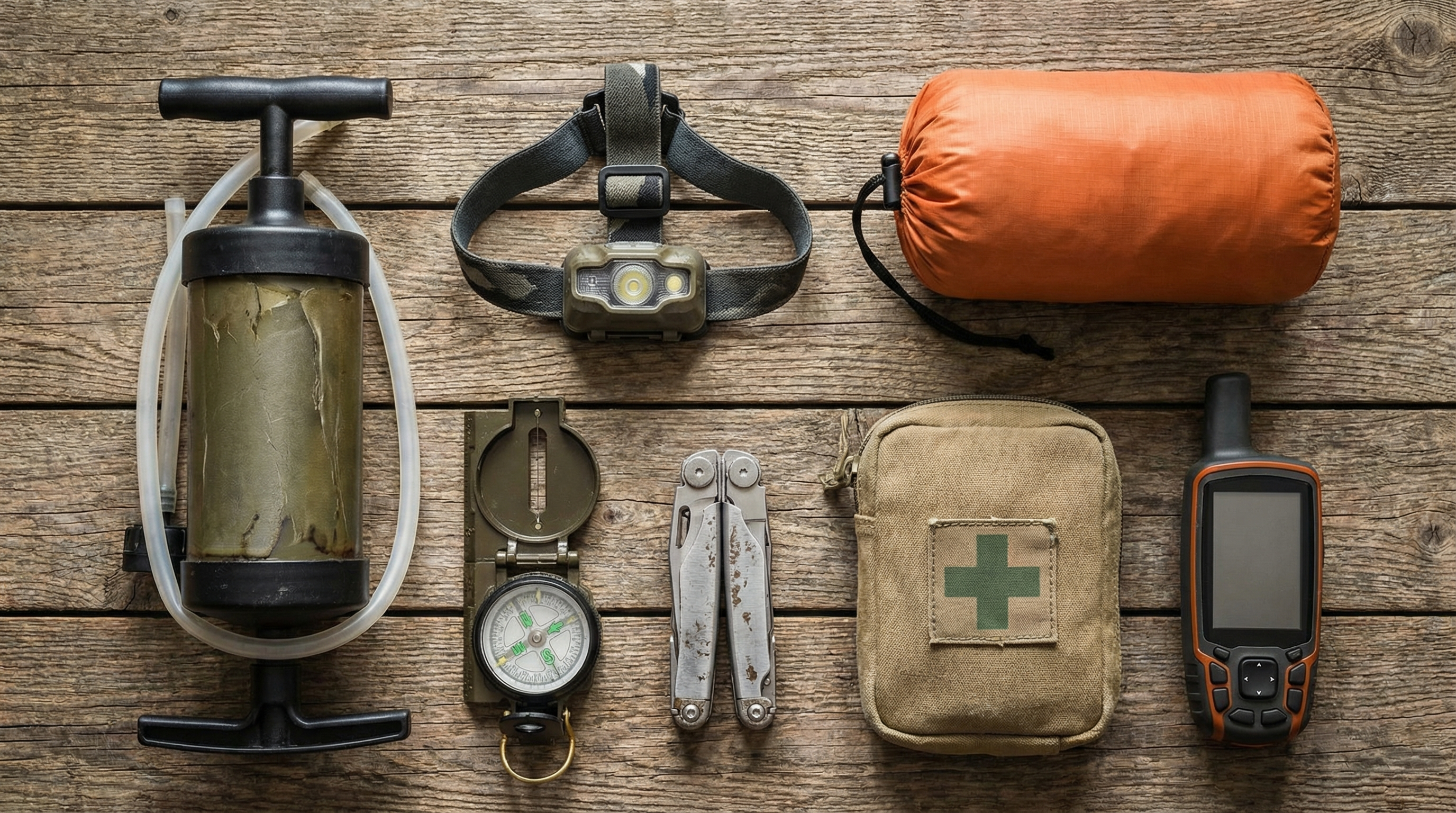
“Survival gear” doesn’t have to mean apocalypse cosplay. For normal people, it’s about being ready for the predictable stuff: weather shifts, getting delayed, power loss, injury, and not having clean water handy.
Water + food safety matters more than most people think
If you’re storing food in coolers, or cooking outside in heat, temperature safety becomes a real issue fast. Keeping cold food at safe temps (and knowing the danger zone) is one of those boring rules that prevents miserable outcomes.
Where survival gear actually earns its keep
- Water: filtration and purification options that match your environment.
- Light: headlamp beats phone flashlight every time.
- First aid: basic kit plus the knowledge to use it.
- Navigation: offline maps and a backup plan (even a printed map is underrated).
- Heat layers: staying dry and warm is often the real “survival win.”
Brand hubs for preparedness and longer-term resilience: Survival Frog, My Patriot Supply, Garden Tower Project.
Where to Buy Quality Outdoor Gear Without Chasing 50 Tabs
If you’ve ever tried to “research gear” online, you already know how it goes: you open a few tabs, forget what you were comparing, and somehow end up looking at a $900 jacket you didn’t ask for.
I keep my partner brands organized in one place so you can jump to a brand page, see what they’re best for, and decide if it fits your style of camping or travel.
Want a quick shortcut to vetted outdoor brands and deal pages?
Visit the Affiliate Brand DirectoryThis is where I keep the brand pages (not direct product links) so you can compare options without the noise.
Final Thoughts
The goal isn’t to own “all the gear.” The goal is to own the right gear that you actually use. A reliable shelter, a sleep system that doesn’t punish you, a cooking setup you’ll actually pull out, and a basic preparedness kit that solves the most common problems.
If you want, tell me what kind of trips you do most (RV campground weekends, boondocking, day hikes, hunting season trips), and I’ll help you narrow this into a tighter “buy once, cry once” short list.
Quick reminder: Leave No Trace isn’t just for hardcore backcountry folks. It applies everywhere, including campgrounds and trailheads.
FAQ
What are the top 5 must-have items for outdoor trips?
Shelter, sleep system, safe water plan, reliable light (headlamp), and navigation basics. Everything else is optional until those are handled.
How do I avoid overbuying gear?
Build your kit around your most common trips, not your most extreme fantasy scenario. Upgrade the items that cause real discomfort or real problems first (sleep and footwear usually win).
What’s the safest way to manage food outdoors?
Keep cold foods at safe temps, avoid leaving perishables out, and don’t ignore the temperature danger zone.
Do I still need maps if I have a phone app?
Apps are great, but batteries die and signals disappear. Offline maps and basic map literacy are a smart backup, especially in remote areas.




.jpg/:/cr=t:5.56%25,l:0%25,w:100%25,h:88.89%25/rs=w:1240,h:620,cg:true)



Leave a Reply