
Affiliate Disclosure: I earn commissions if you shop through the links below at no additional cost to you.
Last Updated on December 27, 2025 by Jeremy
Here’s the real goal: plan a budget-friendly camping trip that still feels like a proper getaway. Whether you’re RVing, tent camping, or mixing both, these steps help you keep costs predictable while still enjoying the good stuff.
TL;DR — Budget-Friendly Camping at a Glance
- Choose your campsite wisely: Public parks, off-season dates, and longer stays save the most money.
- Plan your route before you roll: Fuel costs add up fast—mapping ahead makes a big difference.
- Keep meals simple: A few planned meals beat daily food stops every time.
- Don’t overbuy gear: Use what you already own before upgrading.
- Lean into free activities: Trails, lakes, and nature cost nothing and deliver the best experiences.
- Track spending lightly: Know where your money goes without killing the fun.
If you want the full breakdown—with tools, examples, and real-world tips—keep reading below.
1) Pick the Right Camping Style (This Saves the Most Money)
Most “budget problems” start with a single decision: where you stay and how often you move. If you’re hopping towns daily, you’ll pay for it in fuel. If you’re booking premium sites blindly, you’ll pay for it at check-in.
Budget-friendly camping options that still feel good
- Public campgrounds (state/provincial/national parks) are often cheaper than private resorts.
- Off-season / shoulder season can cut nightly rates significantly.
- Longer stays (weekly/monthly) are often discounted and reduce fuel burn.
- Boondocking / dispersed camping can be free, but plan for water, power, and dumping.
If you want fast campground options without doom-scrolling ten apps, use this internal tool: Find the Perfect Campground for Your Next Adventure.
For dispersed camping in the U.S., the Bureau of Land Management’s guidance is a helpful reference: BLM Camping info.
2) Camping on a Budget: Set a Realistic Trip Budget
A budget trip becomes stressful when you “wing it” and hope it all works out. A budget trip becomes relaxing when most costs are known ahead of time and the rest is just buffer.
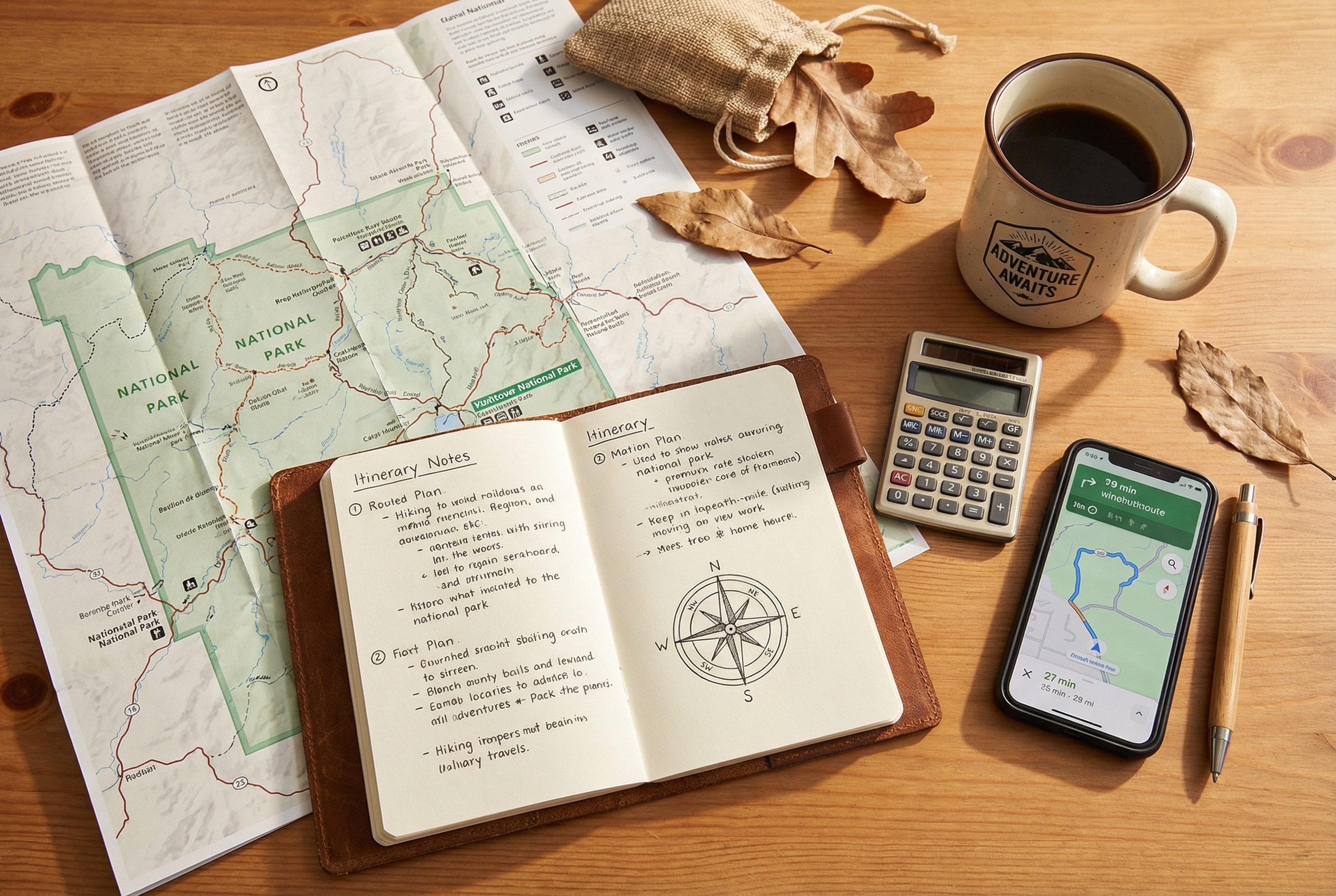
Split your camping budget into four buckets
- Campsites (nightly fees, hookups, dump station access)
- Fuel (your biggest variable if you move often)
- Food (groceries + one or two planned treats)
- Extras (park passes, firewood, ice, showers, activities)
Want to estimate the true cost of your trip in minutes? Use our internal planner here: RV Trip Cost Estimator.
Then tighten fuel costs by planning smarter fill-ups: Gas Price Map + Route Planner.
If you’re booking popular campgrounds, you’ll often reserve through official platforms like Recreation.gov (U.S.) or park systems directly. Booking early can save money, but booking smart saves more.
3) Choose Campgrounds With Value (Not Just a Low Price)
Here’s the trap: a “cheap” campground can quietly cost more if it forces extra driving, extra generator use, or a bunch of add-on fees you didn’t expect.
What “good value” looks like for budget campers
- Electric included (especially in hot/cold seasons)
- Clean washrooms or a reliable dump station
- Reasonable site spacing (because nobody needs front-row seats to your dinner)
- Close enough to groceries/fuel to avoid long back-and-forth drives
Need help narrowing your campground options fast? Start here: Find the Perfect Campground for Your Next Adventure.
If you’re visiting U.S. National Parks, check park-specific alerts and fees on the official site: National Park Service. (Knowing what’s open can save you from expensive detours.)
4) Plan Meals That Don’t Destroy Your Grocery Budget
Food is where budgets quietly disappear. Not because people are irresponsible… but because hungry humans make expensive decisions.
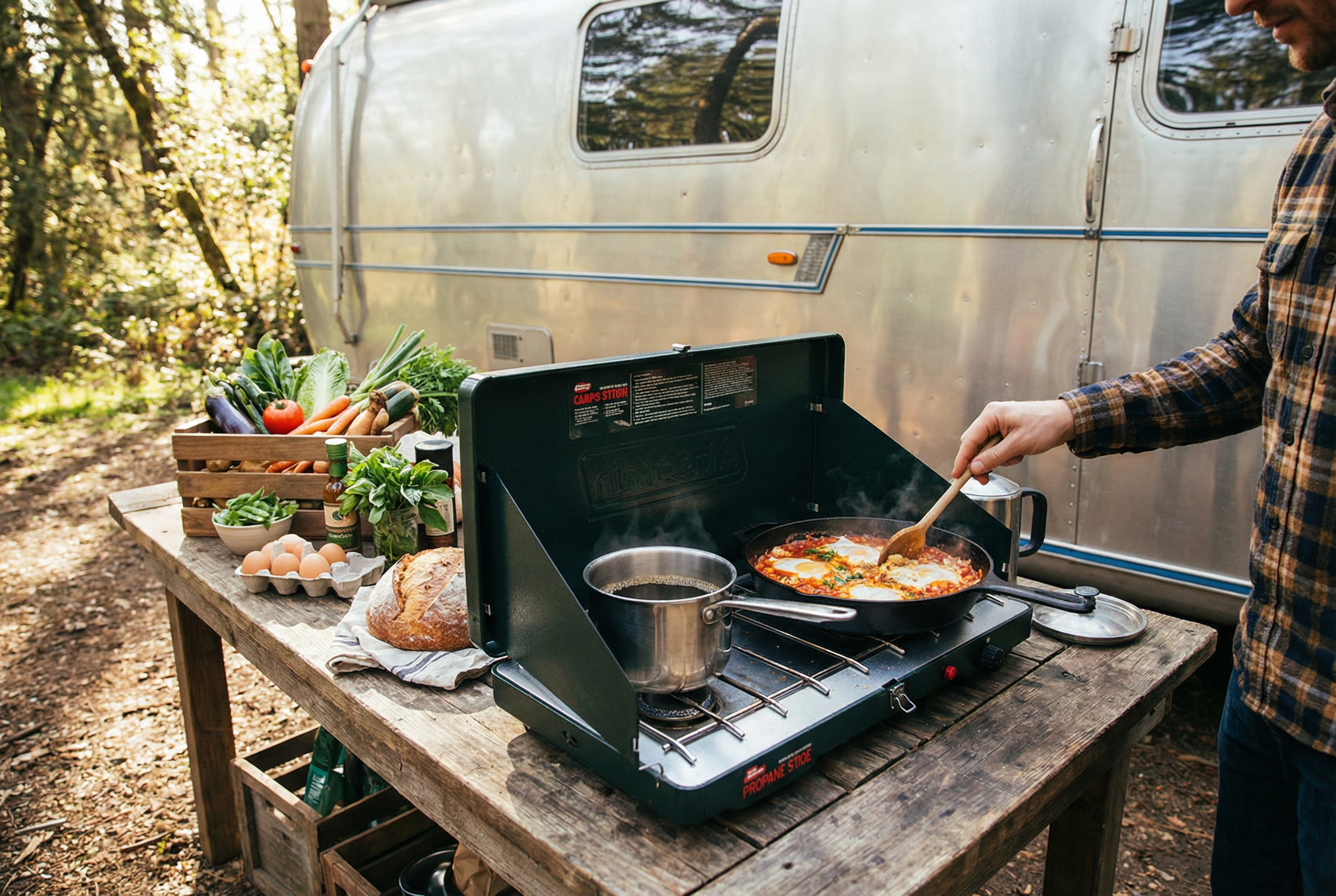
Budget meal rules that actually work while camping
- One main protein per day (plan around it, don’t freestyle it)
- Cook once, eat twice (leftovers are your secret weapon)
- Simple breakfasts (oatmeal, eggs, wraps)
- One “treat meal” (so you don’t end up doing four)
Want a done-for-you system so meal planning takes 10 minutes instead of an hour? Use this: The Ultimate Camping Meal Planner.
For basic camping food safety guidance (especially in heat), the USDA’s recommendations are a solid reference: USDA Outdoor Food Safety.
5) Avoid the Gear Spiral (AKA “I Bought a Thing For This Trip”)
There’s nothing wrong with good gear. The problem is buying gear as a substitute for planning. The cheapest camping trip is the one where you don’t come home with a trunk full of “useful” items you’ll never touch again.
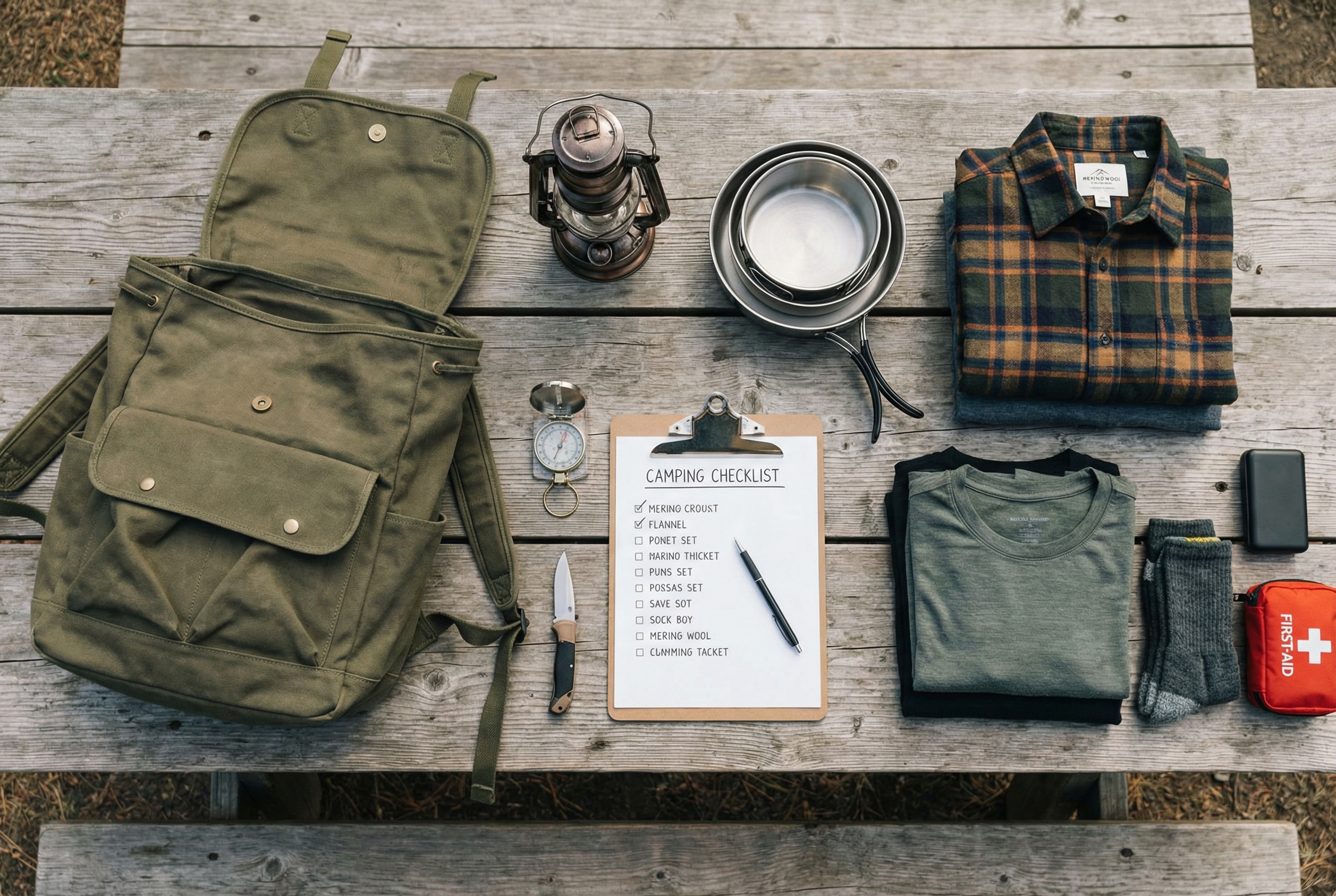
Quick gear filter before you buy anything
- Do I already own something that does this job?
- Can I borrow or rent it?
- Will I use it at least 3–5 more times after this trip?
- Is this solving a real problem, or just satisfying the shopping goblin?
Want a packing system that keeps you from forgetting essentials (and accidentally re-buying them)? Use this tool: Camping Checklist Generator.
6) Build Your Itinerary Around Free and Low-Cost Fun
Camping is one of the rare vacations where the best moments are often free. If you want to keep your budget intact, plan your days around what the location already offers.
Free (or nearly free) camping activities that don’t feel “cheap”
- Hiking, walking trails, scenic lookouts
- Swimming, paddle days, shoreline exploring
- Wildlife watching and photography
- Ranger talks / interpretive programs (common in parks)
- Campfire nights: cards, games, simple hangs
If you’re camping in sensitive areas, follow Leave No Trace basics to keep sites open and enjoyable: Leave No Trace – 7 Principles.
7) Track Spending Without Becoming a Spreadsheet Goblin
You don’t need fancy tracking. You just need enough awareness to avoid the classic budget leak: “It was only $12” repeated 37 times.
What to track (minimum effective dose)
- Campsite fees
- Fuel
- Groceries + eating out
- Extras (ice, wood, park fees, showers, etc.)
If fuel is your repeat pain point, don’t guess. Use the route planner and build your fill-ups around it: Gas Price Map + Route Planner.
Final tip: longer stays usually lower total cost. Not always because nightly is cheaper, but because you drive less, impulse-buy less, and stop “needing” convenience.
Final Thoughts
A budget-friendly camping trip isn’t about doing less. It’s about spending on what actually matters and cutting what doesn’t. When you choose the right campground, plan your route, and keep meals simple, the whole trip feels smoother. And it’s a lot more fun when your wallet isn’t sweating the whole time.
Helpful internal tools (use these before you book):
FAQ
What’s the cheapest way to camp with an RV?
The cheapest approach is usually a mix of public campgrounds, longer stays, and occasional boondocking. You save the most by reducing drive days (fuel) and booking sites that include what you actually need (power, dump access).
How far in advance should I book campgrounds to save money?
For peak season, booking early helps you avoid premium “leftover” sites and last-minute price spikes. For shoulder seasons, you can often book closer to departure and still get strong value.
How can I cut fuel costs on a camping trip?
Drive fewer miles by staying longer in one spot, avoid backtracking, and plan fuel stops strategically. Using a route-based fuel planning tool can help you avoid consistently expensive areas and reduce detours.
Is it cheaper to cook at camp or eat out?
Cooking at camp is almost always cheaper, especially for families. The best compromise is planning simple meals and leaving room for one “treat meal” so you don’t accidentally eat out repeatedly.
What should I prioritize if I’m camping on a tight budget?
Prioritize: (1) campsite strategy, (2) route/fuel planning, (3) meals, and (4) packing so you don’t re-buy essentials. Those four areas usually control most of the cost of a camping trip.




.jpg/:/cr=t:5.56%25,l:0%25,w:100%25,h:88.89%25/rs=w:1240,h:620,cg:true)



Leave a Reply