


Shipping containers can provide secure storage or a starting shell for some off-grid and small-building projects, but the container purchase is only one part of the decision. Shipped.com supplies containers through purchase, rental, and rent-to-own pathways where available; it does not provide a finished or automatically approved tiny home.
Disclosure: This page contains sponsored affiliate links. If you purchase or rent through them, I may earn a commission at no extra cost to you.
Best for: Buyers who need storage or a container shell, can confirm delivery access, and are prepared to compare condition, delivered cost, site preparation, and legal project requirements.
Not ideal for: Anyone expecting a habitable home, guaranteed delivery everywhere, a modification-ready structure without engineering, or permission to place and occupy a container without local approval.
I have not purchased a container through Shipped.com. Confirm current inventory, condition grade, dimensions, pricing, rental or rent-to-own terms, delivery area, placement method, and customer-protection terms before ordering.
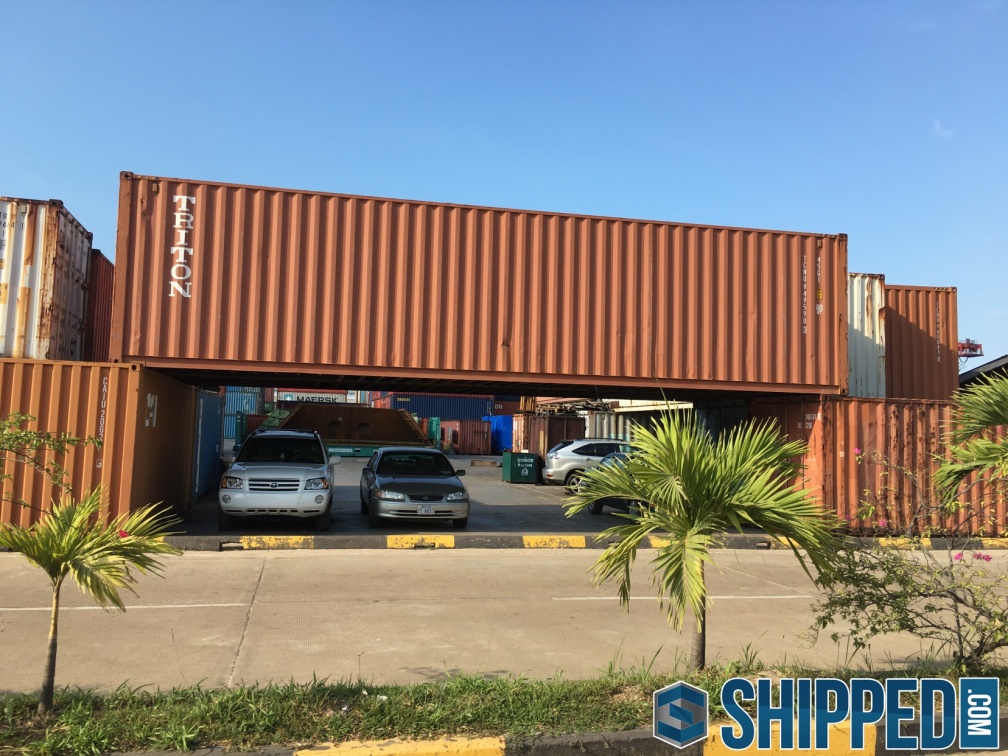
Container sizes and realistic use cases
Below is a straight-through breakdown of the most common container sizes and how they’re realistically used in off-grid, storage, and build projects. This layout favors clarity over comparison so you can evaluate each size on its own merits.
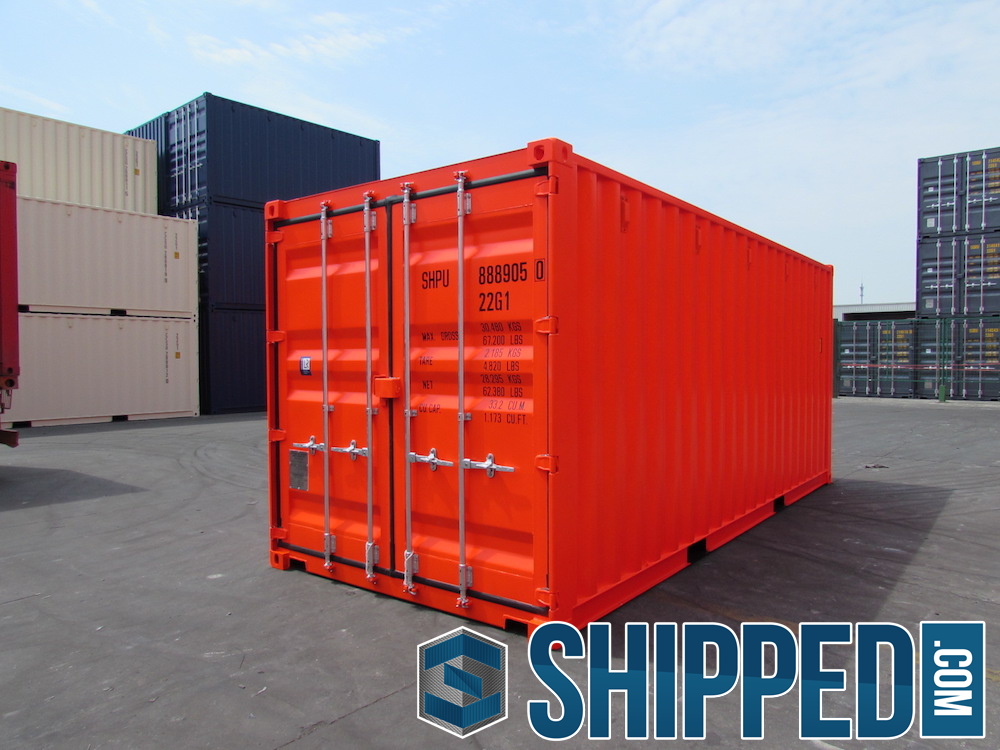
20’ Shipping Containers
The 20’ container is often the most practical choice for first-time buyers and off-grid properties with limited access.
- Secure storage for tools, equipment, and seasonal gear
- Compact workshop or generator/battery room with proper ventilation
- Replacement for sheds in areas where wildlife or theft is a concern
Practical note: condensation management is critical in smaller containers, especially in humid or cold climates.
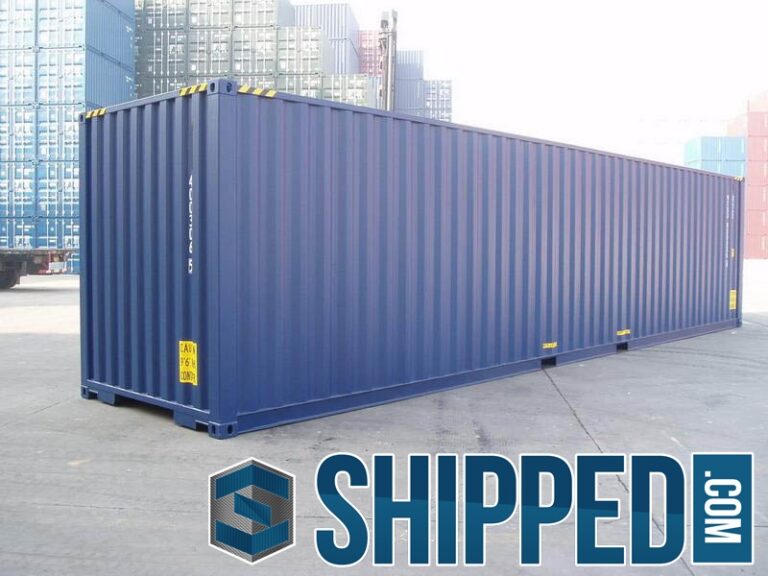
40’ Shipping Containers
A 40’ container opens up far more flexibility and is commonly used for both residential-style builds and commercial storage.
- Tiny home shells and container cabins
- Full workshops or fabrication spaces
- High-volume storage for equipment or inventory
- Side-by-side or stacked modular layouts
Practical note: cutting multiple windows or doors should always include reinforcement planning to maintain structural integrity.
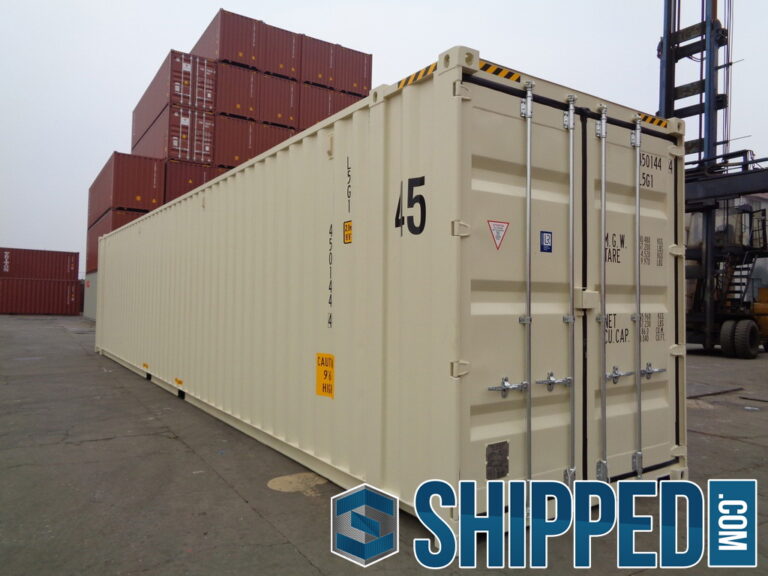
45’ Shipping Containers
The 45’ container is best suited for projects that prioritize maximum interior volume without combining multiple units.
- Large-scale business or commercial storage
- Extended workshops and production spaces
- Modular expansions when paired with other containers
Practical note: delivery access is key. Confirm turning radius, ground conditions, and crane or tilt-bed requirements in advance.
Ready to explore container options?
Compare current inventory and the complete delivered cost—including container condition, transport, placement, site preparation, permits, engineering, insulation, ventilation, condensation control, utilities, modifications, and inspections.