


Last Updated on September 14, 2026 by Jeremy
Bumper pull travel trailers didn’t just get “nicer” over the decades — they got heavier, more complex, more feature-packed, and a lot more dependent on proper towing setup.
What started as a simple box on a frame in the 60s has evolved into something that can rival small apartments. But along the way, a few things changed that buyers don’t always think about.
TL;DR
Travel trailers evolved from lightweight, simple campers into feature-heavy rolling homes. The biggest changes weren’t cosmetic — they were structural: slide-outs, insulation packages, larger tanks, and added weight. If you’re buying today, payload capacity, tongue weight, and real-world loaded weight matter more than nostalgia or brand hype.
How Bumper Pull Trailers Actually Evolved
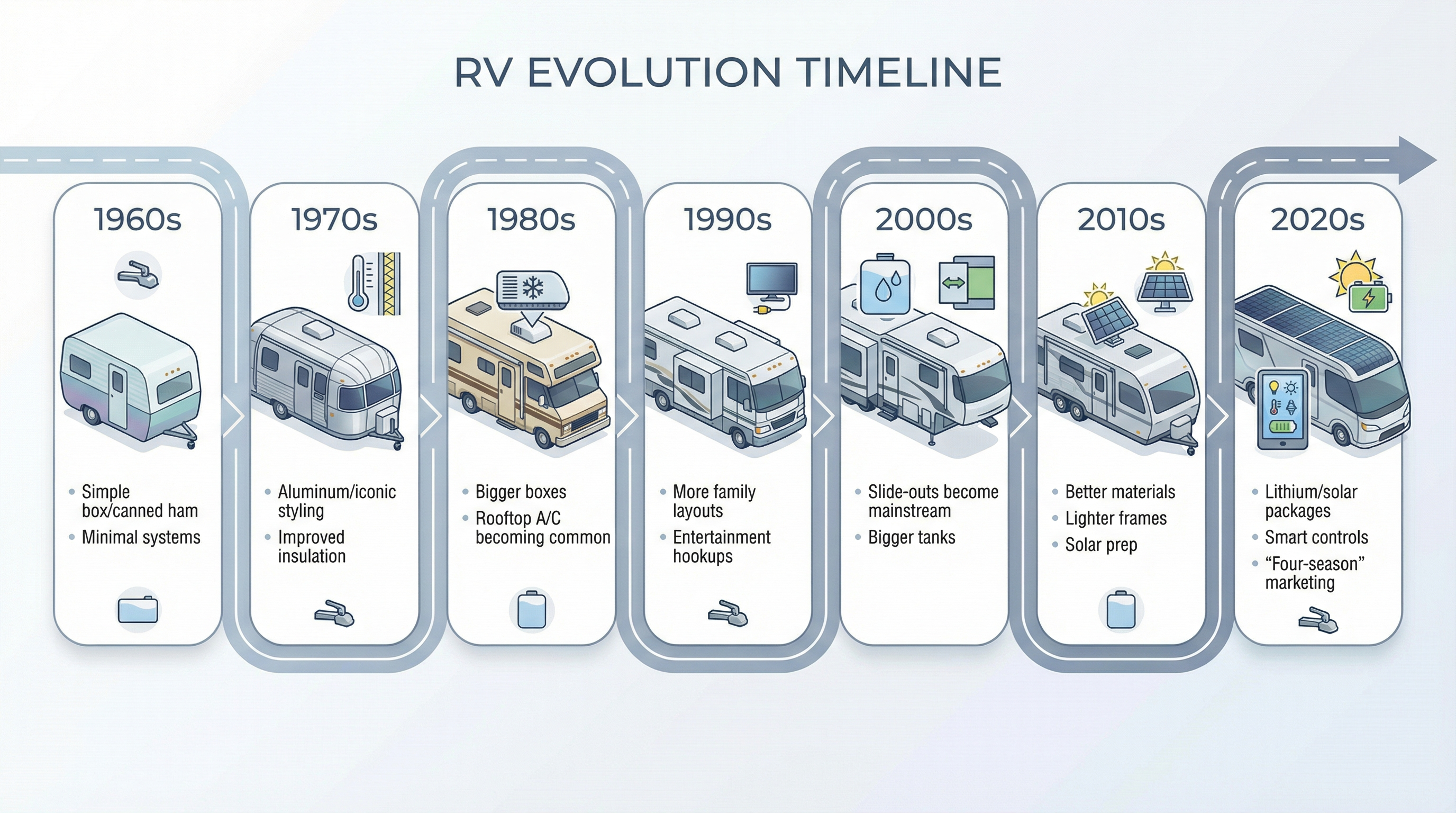
The 60s were simple. Lightweight frames. Minimal systems. No rooftop A/C. No slide-outs. No “four-season” marketing.
The 70s refined design and insulation. The 80s and 90s brought rooftop air conditioners, entertainment hookups, and bigger layouts. By the 2000s, slide-outs became mainstream, tank capacities increased, and “residential feel” became the sales language.
The 2010s and 2020s? Solar prep, lithium packages, smart panels, bigger refrigerators, thicker insulation claims — and significantly more weight.
Bumper Pull Basics (What Hasn’t Changed)
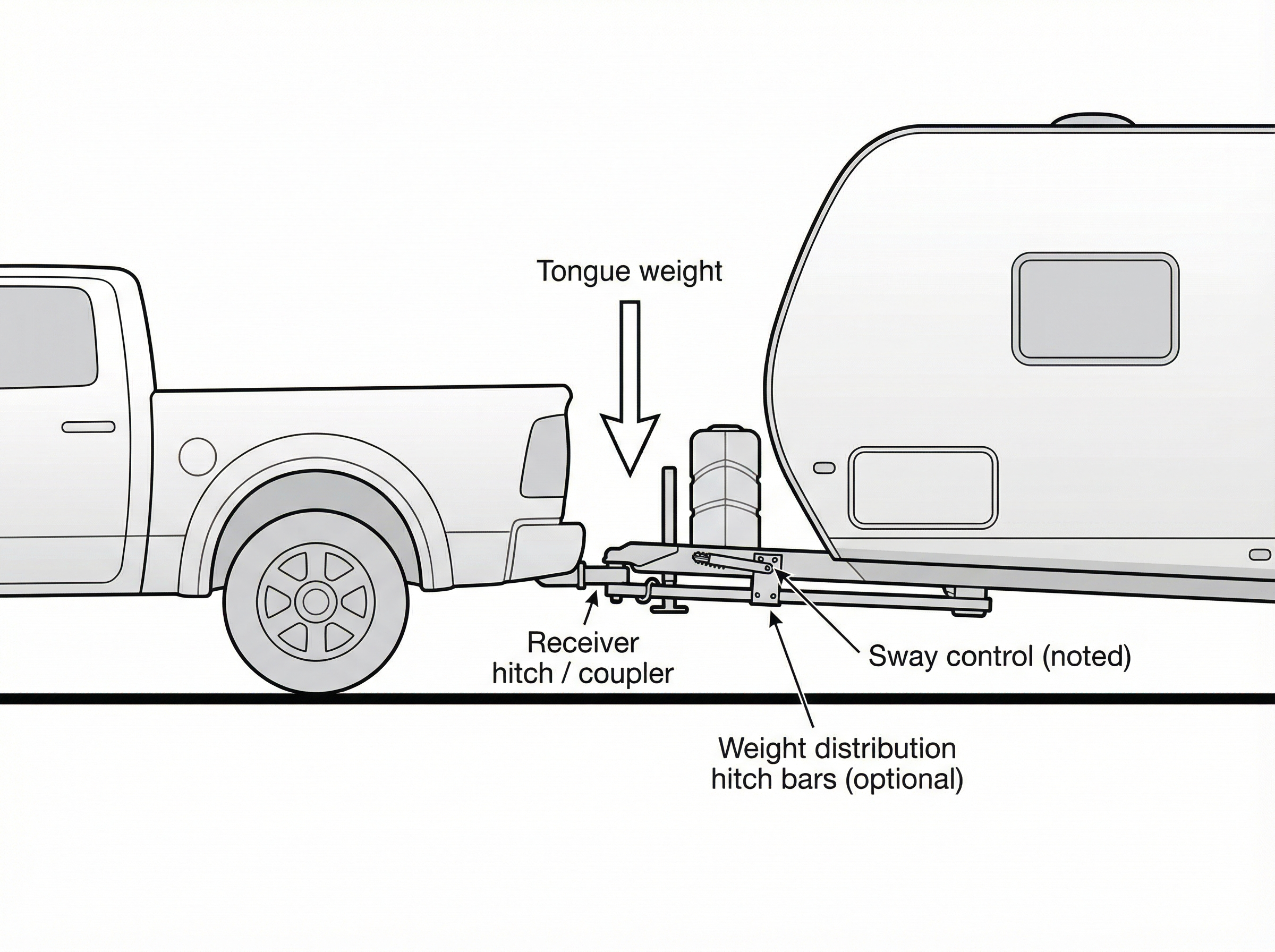
No matter the era, bumper pull trailers attach at the rear receiver of a truck or SUV. What matters most:
- Tongue weight (typically 10–15% of loaded trailer weight)
- Proper weight distribution hitch setup
- Payload capacity of the tow vehicle
- Sway control
If you’re unsure whether your vehicle can handle a specific trailer, run your numbers through our RV Towing Calculator before you shop.
1960s: The Canned Ham Era
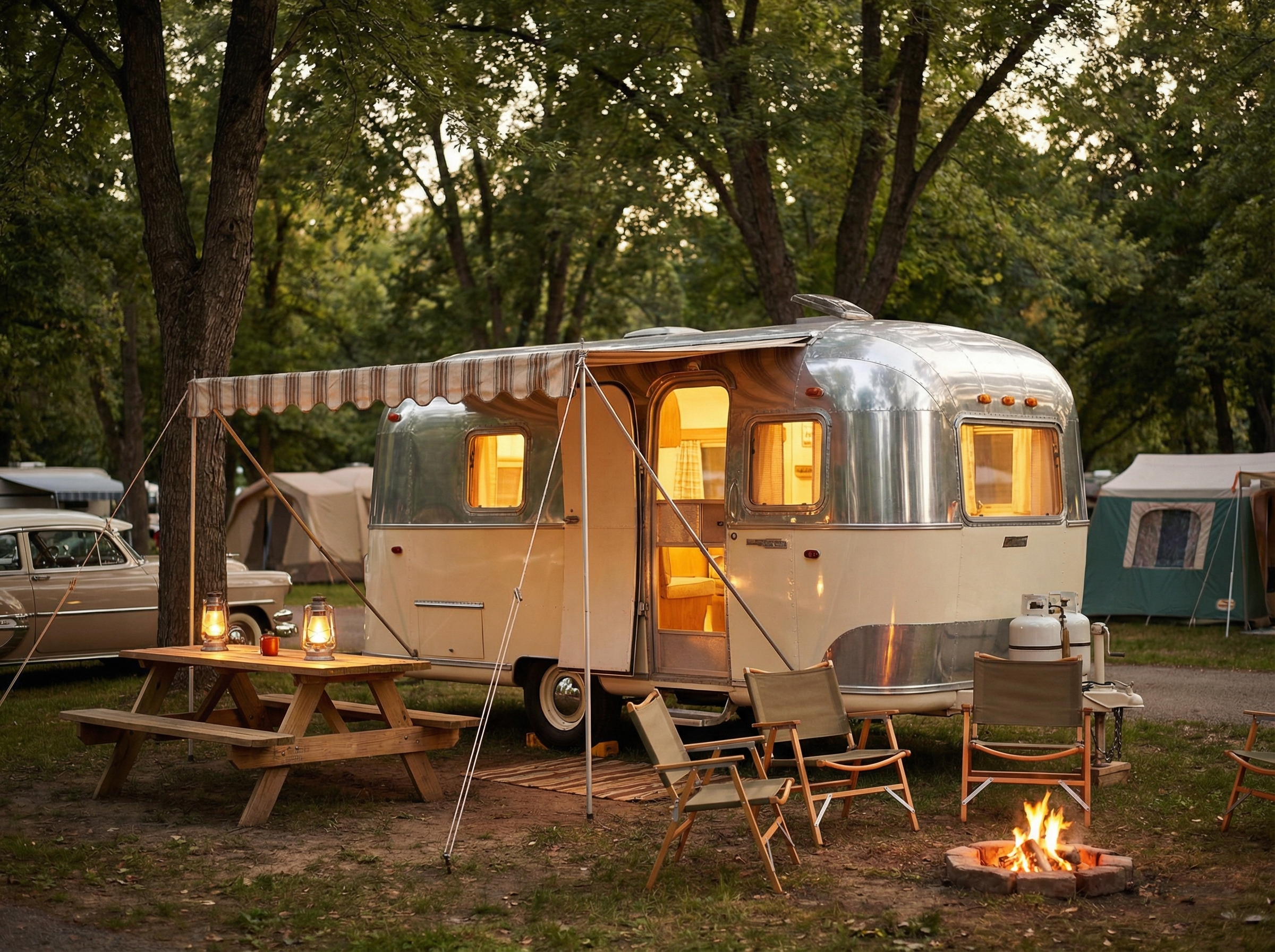
These were lightweight and minimal. No frills. Aluminum skins. Manual systems. What they lacked in comfort, they made up for in simplicity and towability.
1970s: Iconic Aluminum & Refinement

Brands refined design, improved insulation, and expanded layouts. Aluminum styling became iconic, and camping began shifting from “roughing it” to “comfort camping.”
1980s–1990s: Bigger Boxes, More Systems
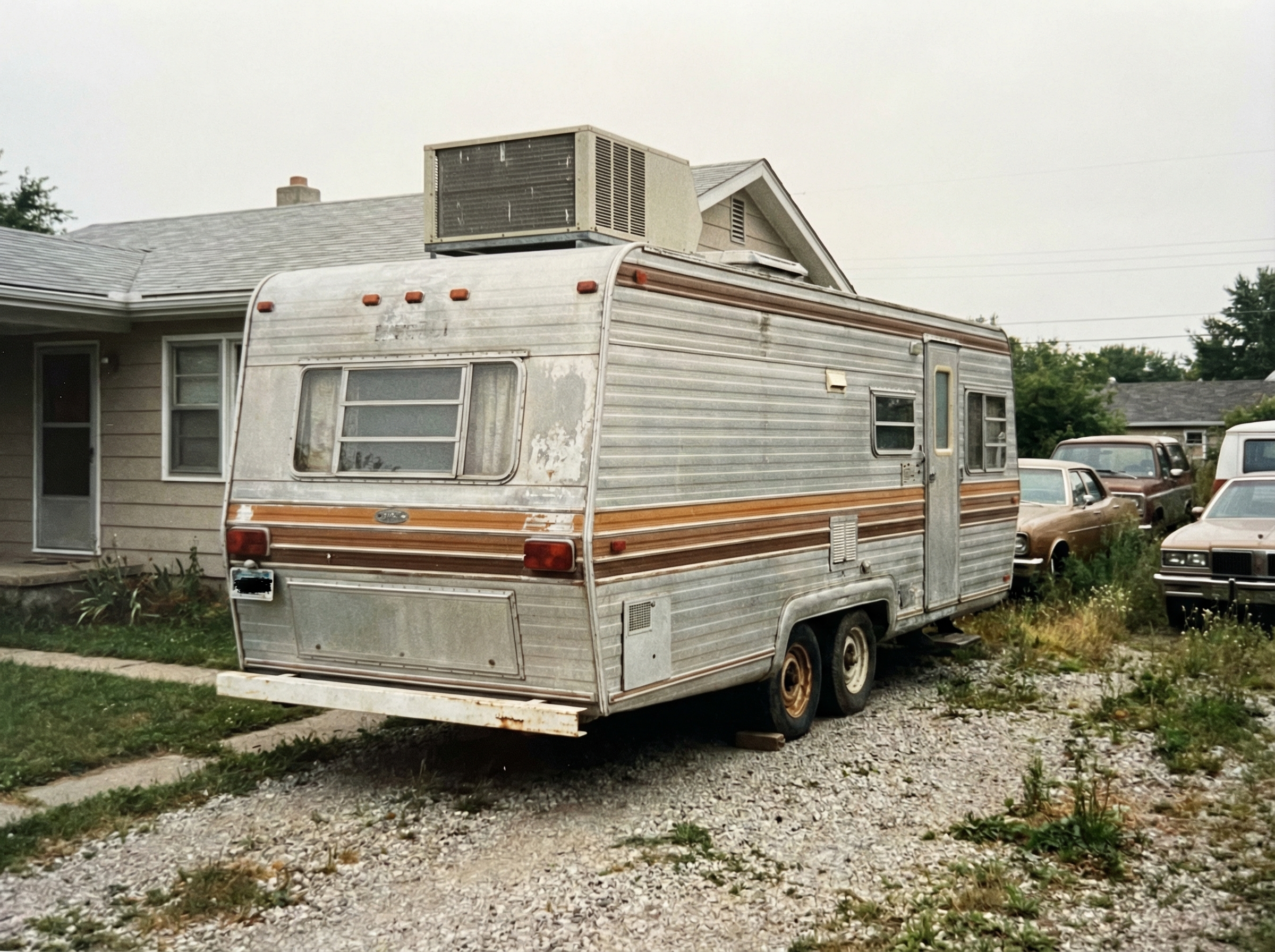
Rooftop A/C became common. Cable hookups appeared. Floorplans expanded. Weight increased. Tow vehicles had to get stronger to keep up.
Modern Travel Trailers: What Changed the Most
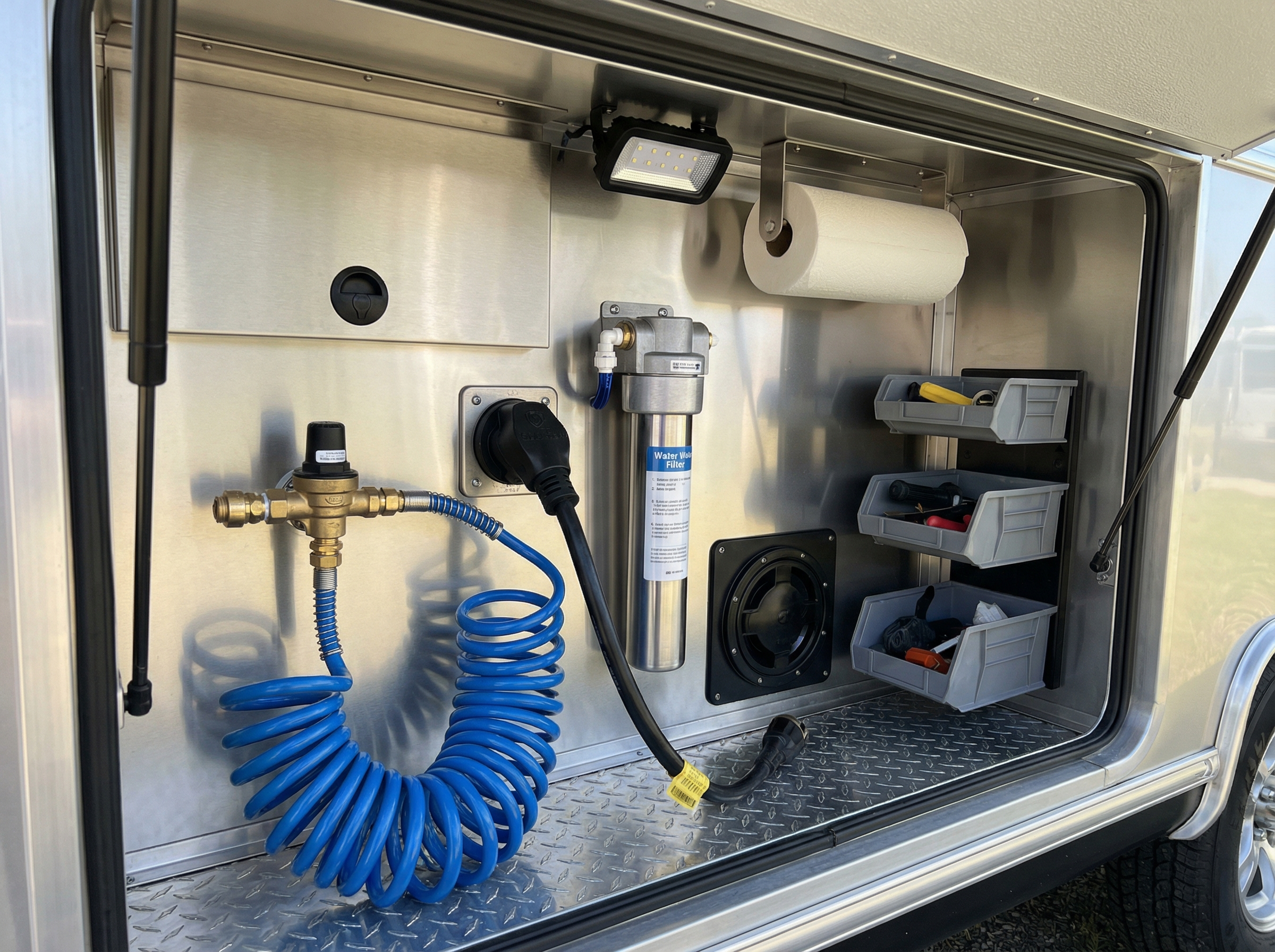
Modern trailers are packed with:
- Slide-outs (more space, more weight)
- Solar and lithium prep
- Larger refrigerators
- “Four-season” insulation claims
- Residential furniture
The tradeoff? Higher UVW numbers and tighter payload margins. That’s where people get into trouble.
Modern Bumper Pull Standouts
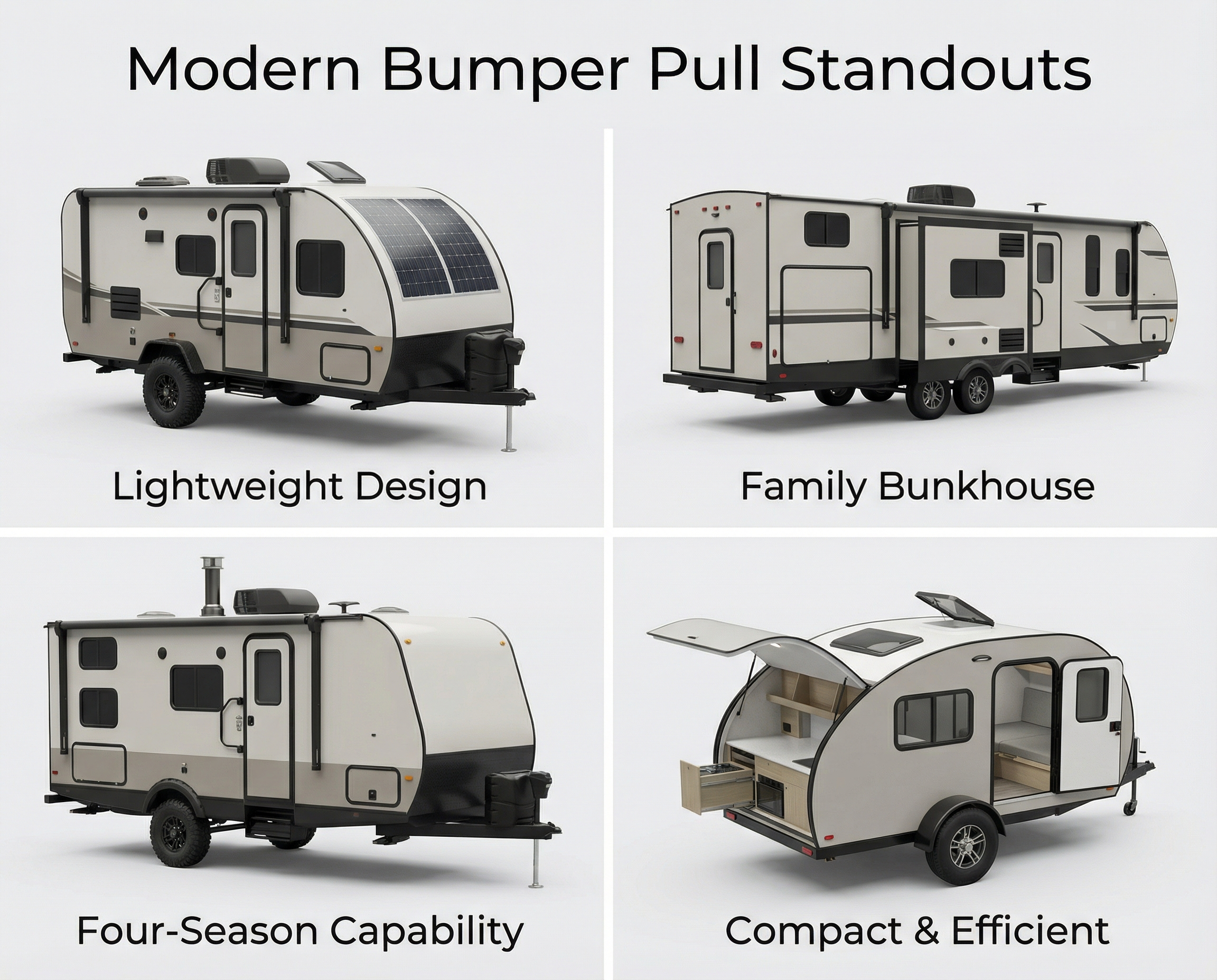
Instead of naming one “best,” here are categories that actually matter:
- Balanced Family Bunkhouse – practical layouts, manageable weight
- Lightweight Under 4,000 lbs – ideal for half-ton trucks
- True Four-Season Built Units – thicker insulation and enclosed underbellies
- Compact Off-Grid Friendly – solar-ready, smaller tanks, easier maneuvering
- Mid-Range Value Segment – strong floorplans without luxury price tags
Before You Buy…
Don’t fall for brochure weights. Check your payload, tongue weight, and real-world numbers first.
Run the RV Towing CalculatorFAQ
Are older travel trailers lighter?
Generally yes, but they also lacked modern insulation, slide-outs, and systems.
What matters most when buying a bumper pull trailer?
Payload capacity, tongue weight, and realistic loaded weight — not just brochure specs.
Is a bumper pull easier to tow than a fifth wheel?
It depends on length and setup. Fifth wheels often feel more stable, but bumper pulls are more versatile for many vehicles.


Leave a Reply