
Affiliate Disclosure: I earn commissions if you shop through the links below at no additional cost to you.
Last Updated on February 15, 2026 by Jeremy
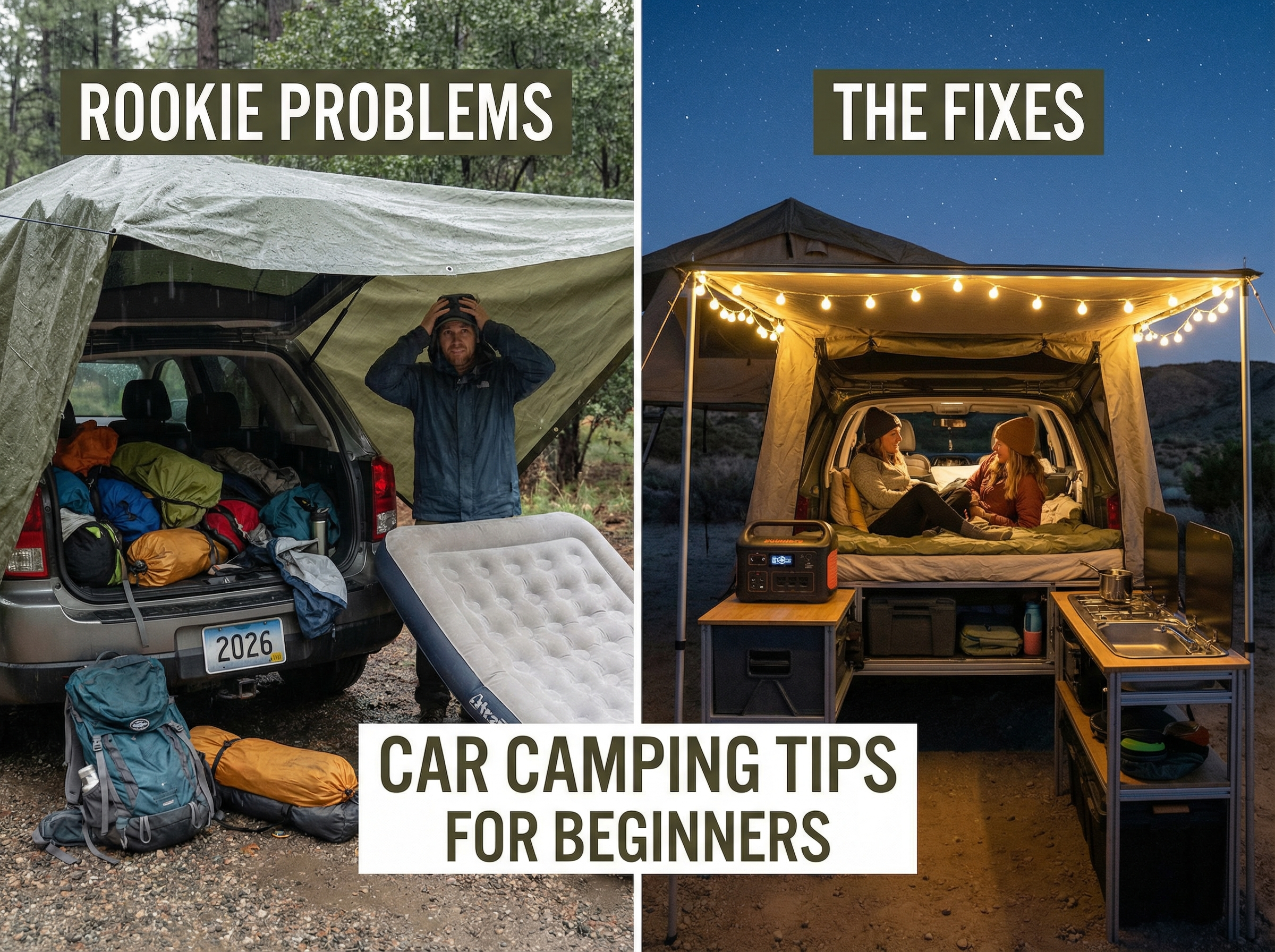
Car camping is exploding right now. I’m seeing it all over Facebook groups, in provincial parks, and even at places like Kentucky Alleyne last season — people converting SUVs, sleeping in vans, and discovering the hard way that “simple” camping gets complicated fast. This guide is built for beginners who want the rookie problems and the real fixes, without the influencer fluff.
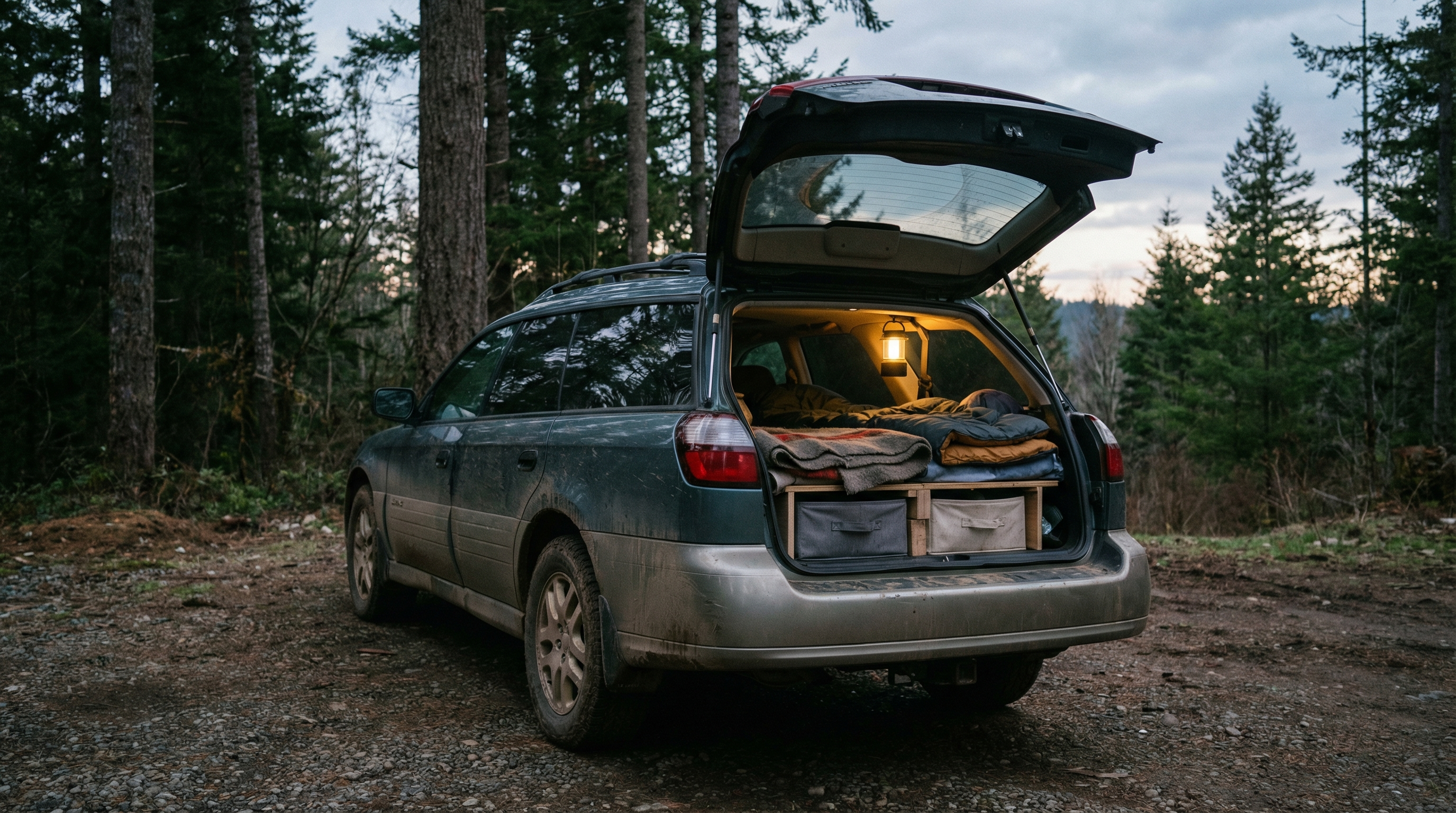
TL;DR: The 6 Things That Save Most Trips
- Sleep system first (not “I’ll figure it out”).
- Ventilation or you’ll wake up damp from condensation.
- Legal parking plan or you’ll meet the local bylaw officer at 2 a.m.
- Power strategy so your phone doesn’t die and your food doesn’t spoil.
- Bathroom + hygiene plan (you can’t “willpower” that problem away).
- Safety habits that reduce risk without turning camping into paranoia.
Educational info only. Always follow local laws, park rules, and common-sense safety.
1) The “I’ll Just Sleep Here” Mistake (Tickets, Tows, and Awkward Knocks)
The biggest beginner trap is assuming you can sleep in your car anywhere you feel safe. In a lot of places, it’s the opposite: sidewalks and shelters exist, but sleeping in your vehicle triggers parking rules, bylaws, or campground enforcement.
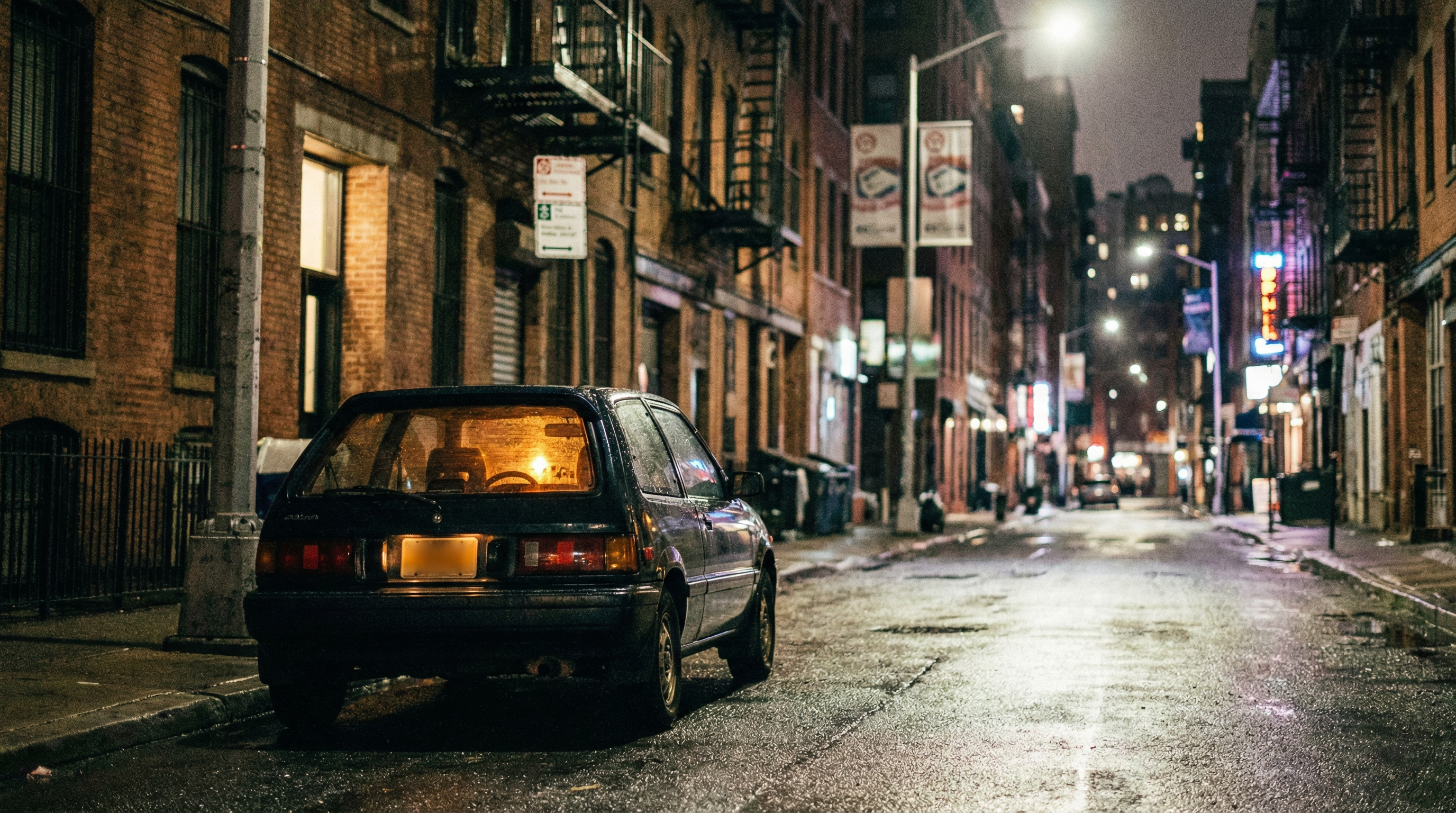
You pick a spot that feels safe, but it’s illegal overnight parking or “no camping.”
You get woken up, moved along, ticketed, or you spend the night anxious and half-awake.
Build a parking plan: 2–3 legal backups, rotate locations, and have a paid fallback for “no questions asked” nights.
- Check posted signage, park rules, and municipal bylaws before you commit.
- Arrive late, leave early — and don’t set up like you’re moving in permanently.
- Have a backup: campground, legal overnight lot, or a friend’s driveway.
2) Sleeping “Good Enough” and Waking Up Wrecked
If you sleep like garbage, everything goes downhill. People blame “camping,” but it’s usually a bad sleep system: uneven surface, wrong pad, cold spots, or a pillow that’s basically a folded hoodie.
Back pain, cold hips/shoulders, and constant repositioning.
You’re tired, cranky, and ready to bail after one night.
Flat base + proper pad + realistic insulation for the temperature you’re in.
- Insulated sleeping pad (not just “thick”).
- Warmth layers that work under you (cold comes from below).
- Simple window covers for privacy + temperature control.
3) Condensation: The Wet Blanket Nobody Warned You About
Two humans breathing in a sealed vehicle turns into moisture. Add cold glass and you’ll wake up to wet windows, damp bedding, and that “why does everything feel clammy” vibe.
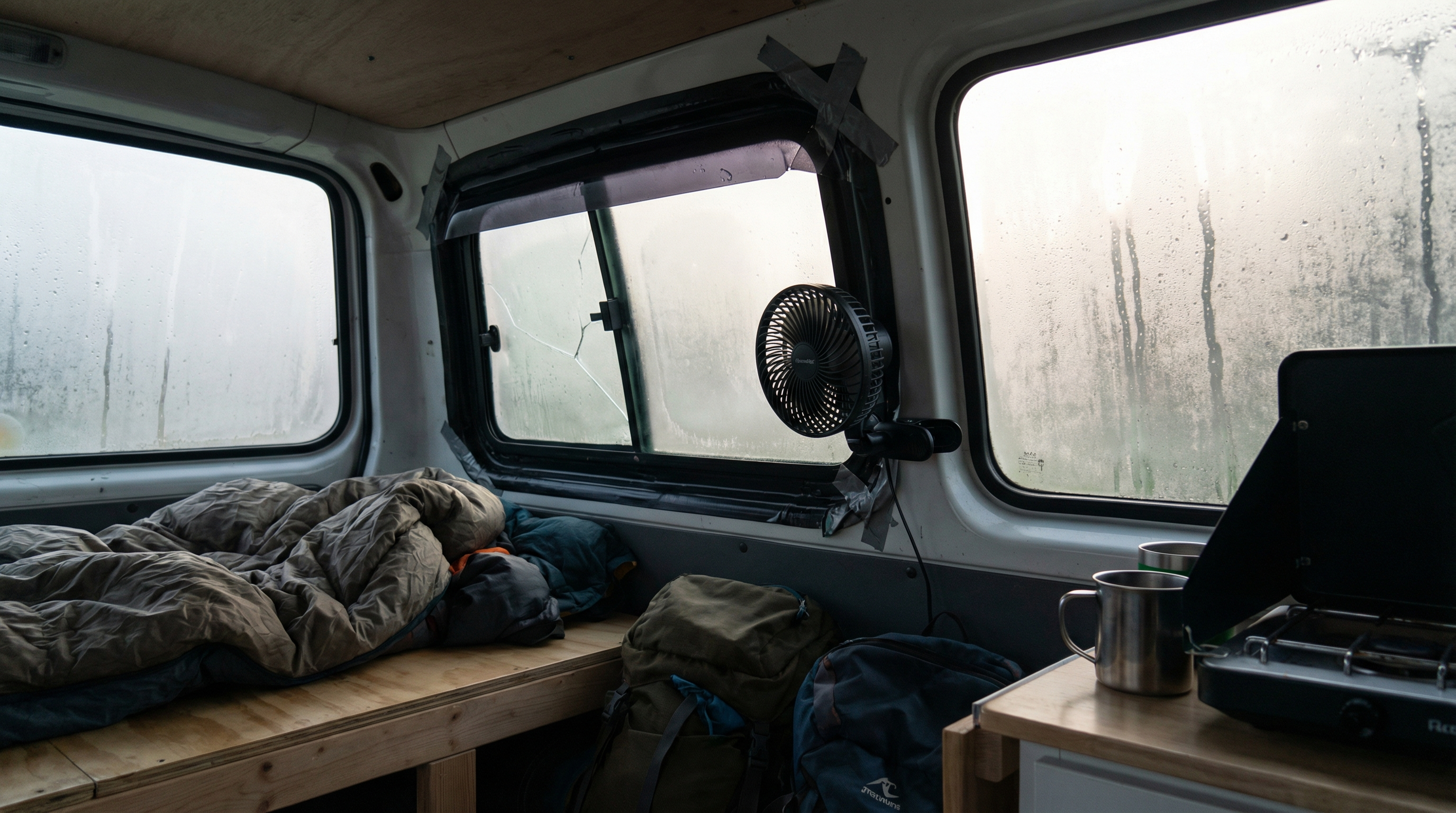
Sealed vehicle + breathing = trapped moisture.
Damp gear, musty smell, poor sleep, and fogged windows.
Ventilation + airflow: crack windows safely and use a small fan to move air.
- Window rain guards let you crack windows without inviting rain.
- A small fan aimed toward a cracked window helps air exchange.
- Dry your bedding in the sun when possible (even 15 minutes helps).
4) Power Strategy (Phones, Lights, Fans… and the Hybrid Advantage)
Beginners either overthink power and buy everything… or they ignore it and end up with a dead phone, no light, and a cooler that’s basically a lukewarm soup box.
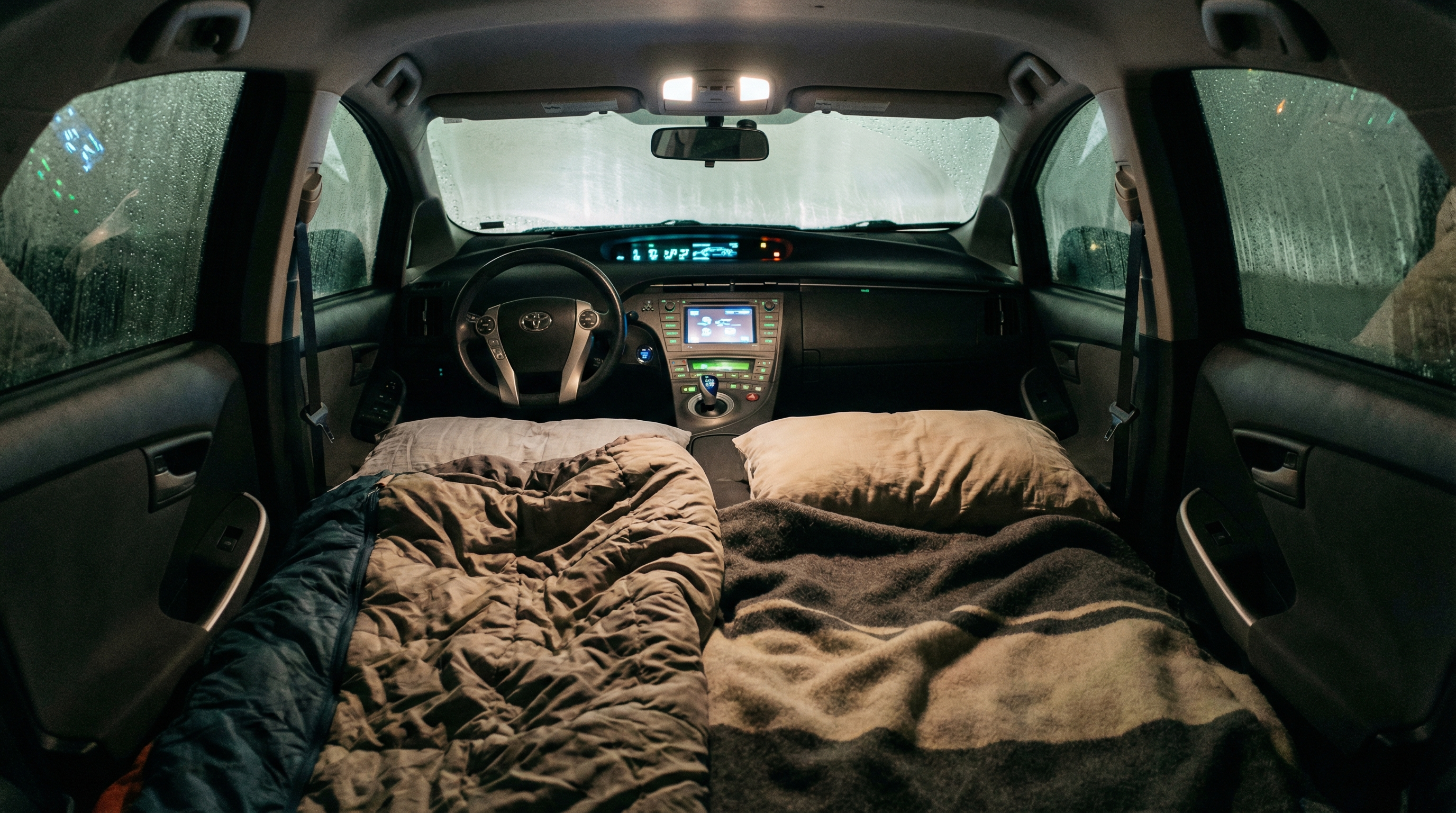
No power plan means dead devices, no airflow, and poor food safety.
You start running the car at random, wasting fuel and stressing the battery.
Match your power to your needs: battery bank for basics, plus a safe plan for heat/cool.
- Hybrids can be a cheat code for temperature regulation — but always understand local rules and safety risks.
- Never risk carbon monoxide exposure. Ventilation matters even when you “feel fine.”
- Know the legal side: in some places, “key in ignition” can create problems if you’ve been drinking.
5) Hygiene & Showers: The National Park Surprise
Beginners plan trips around scenery… then discover half the campgrounds don’t have showers, or the water is turned off seasonally (hello, winter). This is where people start panic-posting in Facebook groups.
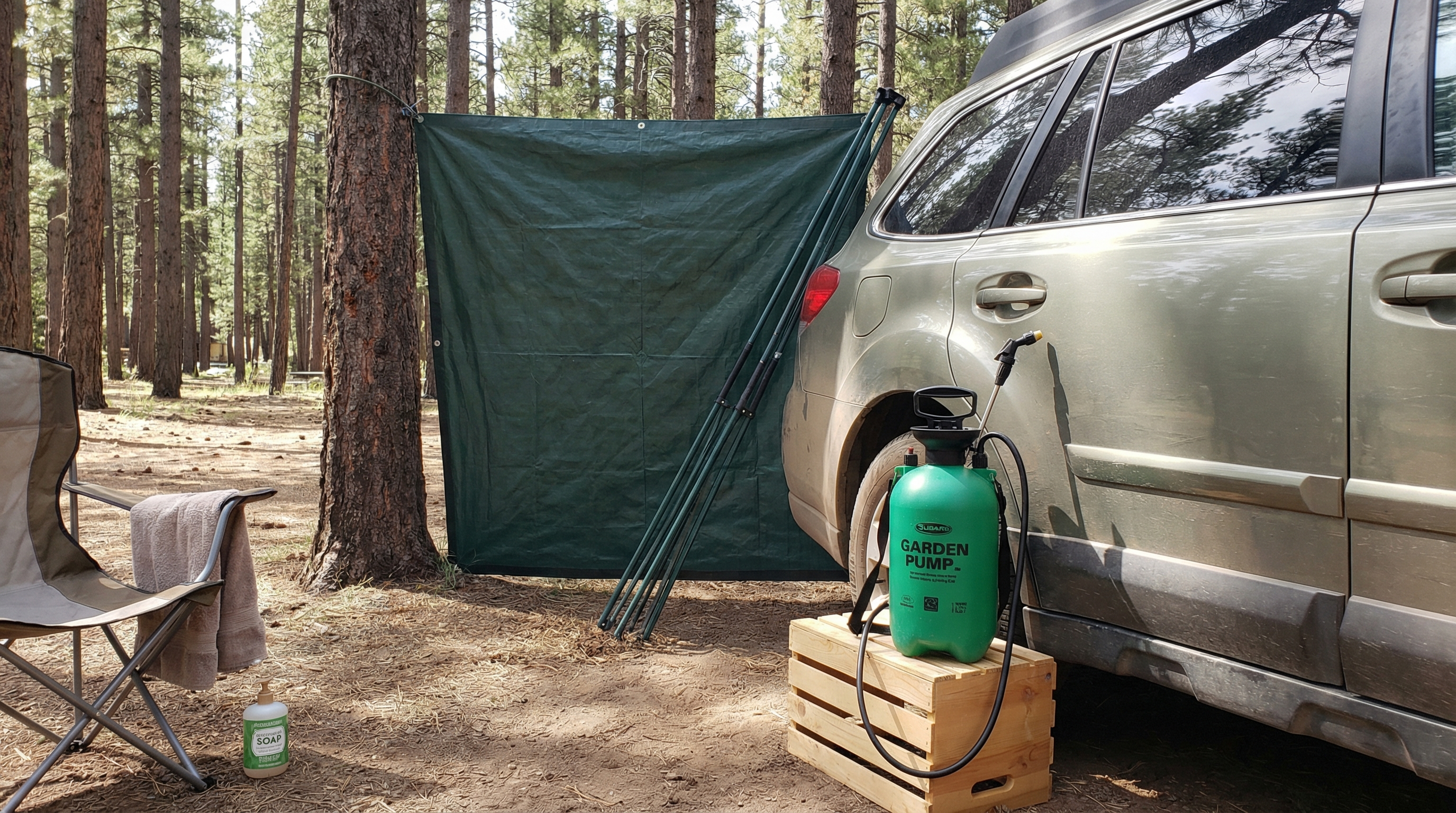
No showers, no water, and nowhere to clean up.
You feel gross, morale drops, and the trip stops being fun.
Have two options: a portable rinse setup + a paid “real shower” fallback.
- Pump sprayer shower (better pressure than gravity bags).
- Privacy tent or simple curtain/tarp setup.
- Backup showers: truck stops, rec centers, or a gym day pass where available.
6) Overpacking the Car Until It’s Unlivable
Car camping space is limited. If your gear is everywhere, you’re not “prepared” — you’re trapped in your own clutter. The fix is simple: fewer items, better organization, and a daily reset.
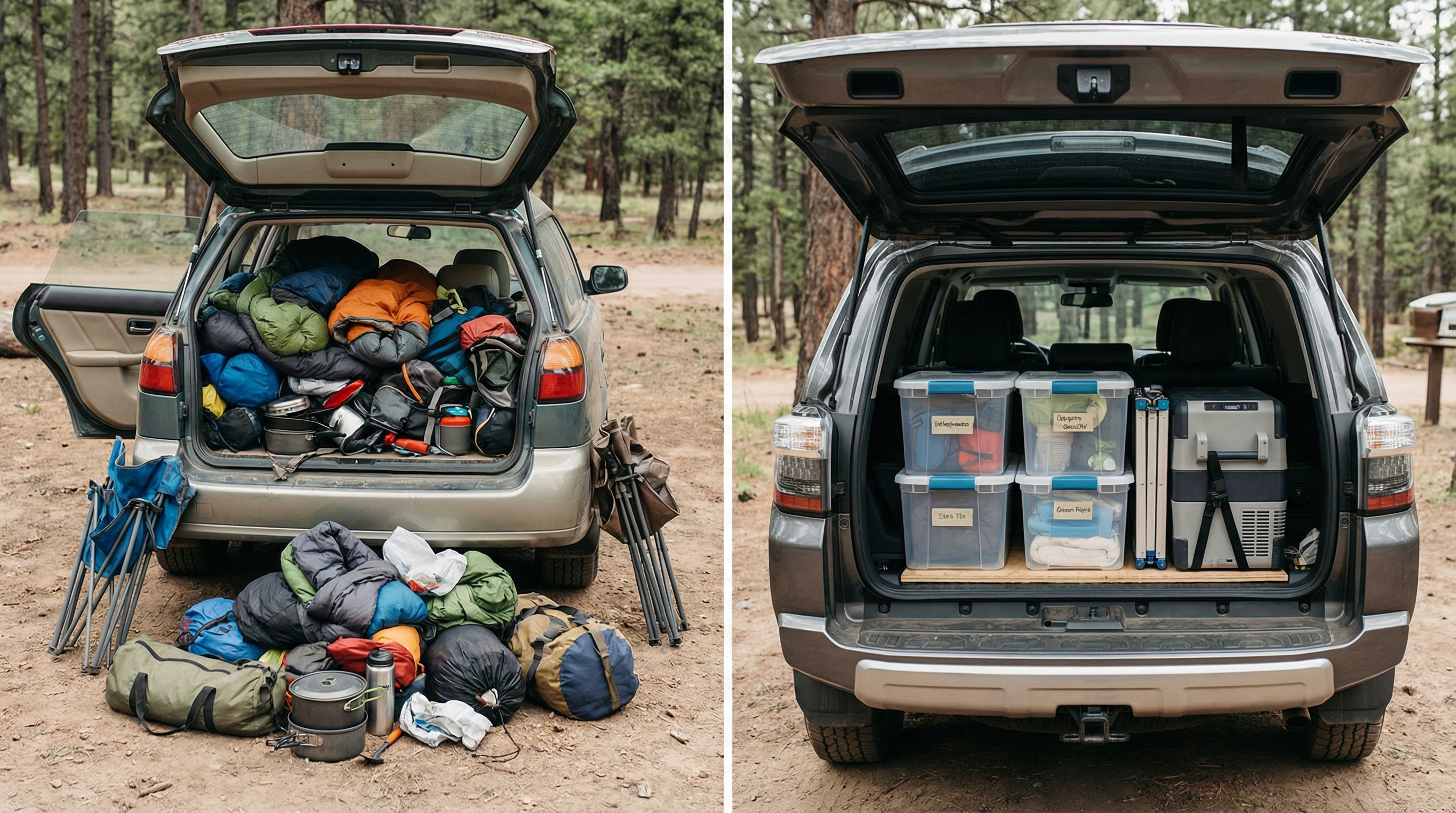
You can’t find anything, and setup/teardown becomes exhausting.
You stop moving, stop cooking, and start quitting early.
3-zone system: sleep zone, kitchen zone, and “daily grab” zone.
- Use labeled bins (kitchen, clothing, tools/repair, hygiene).
- Pack one “daily grab” bag (headlamp, battery bank, keys, first aid).
- Reset the car each morning. It takes 3 minutes and saves the day.
Need Trusted Gear Without Guessing?
If you’re building your car camping setup and want vetted brands for power, cooking, water, security, and off-grid essentials, start here:
Visit the Affiliate Brand DirectoryTip: build your setup around problems you’ve already had — not what looks cool on social media.
FAQ: Car Camping Tips for Beginners
What are the most important car camping tips for beginners?
Start with a real sleep system, manage condensation with ventilation, and plan legal parking. Then add a power strategy, hygiene plan, and a simple organization system so your car stays livable.
Is it legal to sleep in your car while car camping?
It depends on where you are. Some places allow it in designated areas, others enforce bylaws or “no overnight camping” rules. Always check signage, park rules, and local regulations before committing to a spot.
How do beginners avoid condensation when sleeping in a car?
Crack windows safely and create airflow with a small fan. Condensation is caused by moisture from breathing trapped inside a sealed vehicle, especially when the outside temperature is cooler than the glass.
How do you shower while car camping?
Many beginners use a pump sprayer shower plus a privacy tent. For full showers, plan backup options such as truck stops, recreation centers, or a gym day pass depending on your location.
What’s the best way to organize a car camping setup?
Use a simple 3-zone system: sleep zone, kitchen zone, and a daily grab zone. Labeled bins reduce clutter and make setup and teardown fast.




.jpg/:/cr=t:5.56%25,l:0%25,w:100%25,h:88.89%25/rs=w:1240,h:620,cg:true)



Leave a Reply