

Last Updated on September 14, 2026 by Jeremy
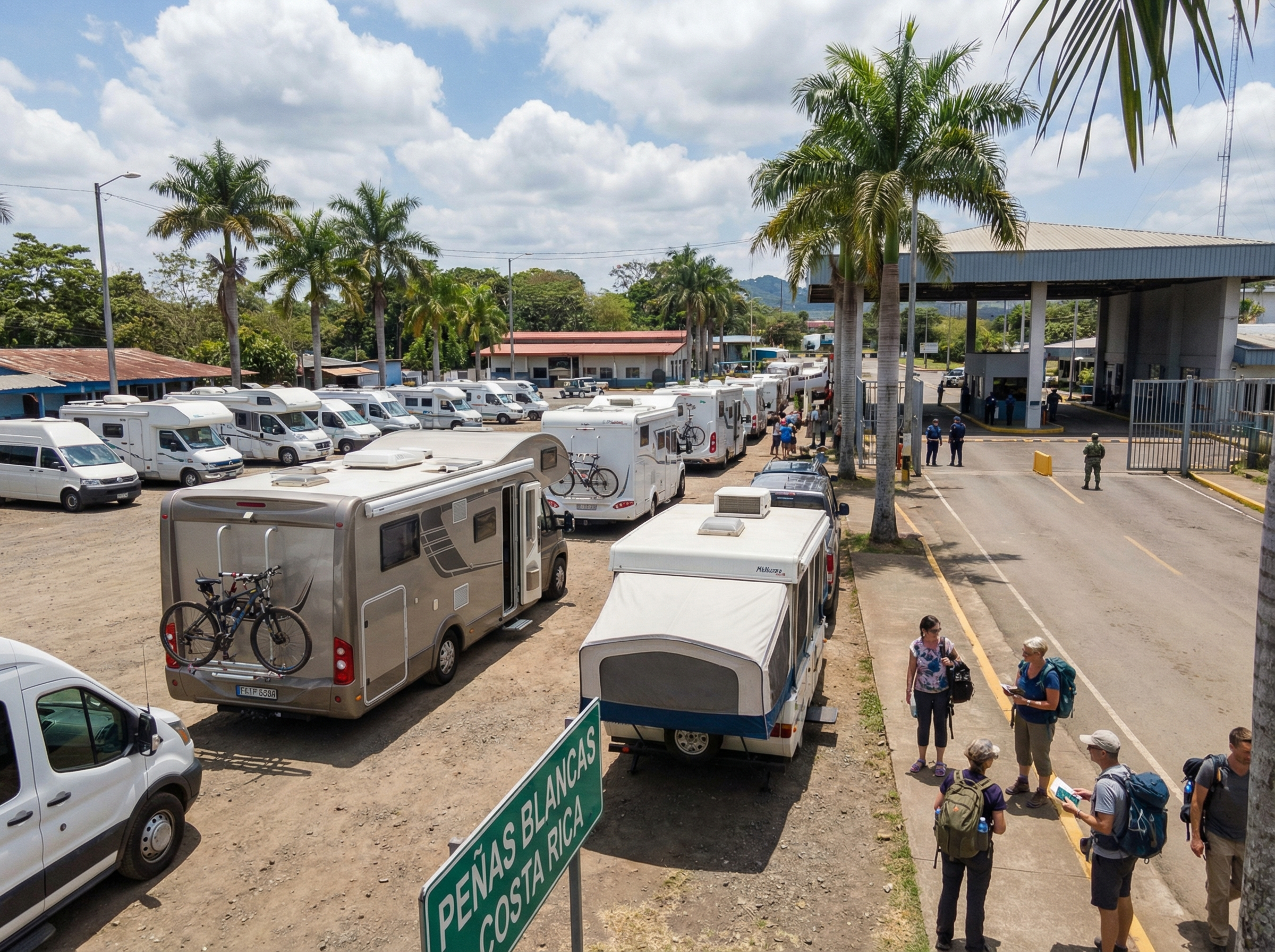
Peñas Blancas border crossing in an RV is the “finish line” border for a lot of Pan-Am RVers because it gets you into Costa Rica. The good news is that it’s straightforward if you walk it in the right order. This 2026 guide is built to help you prepare for Peñas Blancas, navigate the border crossing for RVs, and avoid the classic time-wasters like missing an address, not knowing your exit date, or bouncing between the wrong buildings.
2026 Peñas Blancas RV Border Checklist (Nicaragua → Costa Rica)
If you want a smooth crossing, this is the list. Print it or screenshot it before you roll into the border zone. This is also the fastest way to prepare for Peñas Blancas crossing when your brain is already fried.
People + travel docs
- Passports for each traveler (easy to access)
- Pen (don’t rely on “someone inside will have one”)
- Costa Rica address for your first stop (campground, hotel, town)
- Planned exit date (they will ask)
- Small USD bills (change matters)
Rig + ownership docs
- Registration for tow vehicle + trailer/RV
- Driver’s license
- Photocopies of key docs (extra copies save walking)
- Keep your documents in one folder (not spread across glovebox chaos)
Nicaragua exit steps
- Cancel/exit Nicaragua TIP (temporary import)
- Passport stamp out (immigration)
- Inspection if requested
- Cancel/close out Nicaragua vehicle insurance if applicable
Costa Rica entry steps
- Passport stamp in (immigration)
- Get Costa Rica TIP (vehicle import)
- Buy mandatory vehicle insurance (INS / SOA)
- Final gate checks on the way out
Fast booth/office answers
- “We’re traveling into Costa Rica. First stop is ____.”
- “We’re staying until ____ (date).”
- “We need to cancel Nicaragua TIP and enter Costa Rica with our RV/trailer.”
- “Where do we go first?” (said politely, with docs in-hand)
Step-by-Step Process: Nicaragua → Costa Rica With an RV (Peñas Blancas)
If you’re trying to navigate Peñas Blancas border crossing for RVs, think of it as two clean halves: finish Nicaragua, then start Costa Rica. When people get stuck, it’s usually because they’re trying to do both at the same time.
Nicaragua side (exit)
- Cancel/exit your Nicaragua TIP (vehicle import)
- Inspection if requested
- Stamp out passports (immigration)
- Cancel/close out insurance if applicable
Costa Rica side (entry)
- Park and stamp in passports (main immigration building)
- Get Costa Rica TIP (often handled at a separate building/window)
- Buy mandatory vehicle insurance (INS / SOA)
- Final gate checks and you’re rolling
Passport Stamping + Inspection Reality at Peñas Blancas
Peñas Blancas isn’t hard, it’s just busy. Expect movement between buildings and expect the normal “show me this” rhythm. The good news is that we crossed this one with zero helpers and it was still smooth.
What they commonly ask
- Where are you staying in Costa Rica? (address or town)
- How long are you staying? (exit date matters)
- Who owns the vehicle and trailer?
- Are you carrying anything restricted that needs declaring?
What can slow you down
- Not having an address ready (even a first town works)
- Not having a clear exit date to state confidently
- Docs scattered across the cab instead of one folder
- Doing steps out of order and having to backtrack
Helper Route vs DIY Route
By the time we hit Peñas Blancas, we were done paying for “help.” We didn’t use any helpers exiting Nicaragua or entering Costa Rica, and the crossing was still straightforward.
DIY route (what we did)
- Best for: anyone with a checklist and patience
- Lowest cost (official fees only)
- Clearer understanding of what you’re paying for
- Less chance of random “extra fees” showing up
Helper route (when it can make sense)
- Best for: people overwhelmed by paperwork or traveling in a rush
- Value: pointing you to the right building in the right order
- Risk: paying service fees you didn’t need
- If you hire help, agree on one total price up front
Our Real Border Day at Peñas Blancas
This is the experience-based version, not the fantasy version. It’s here so you can avoid the exact friction points that catch RVers.
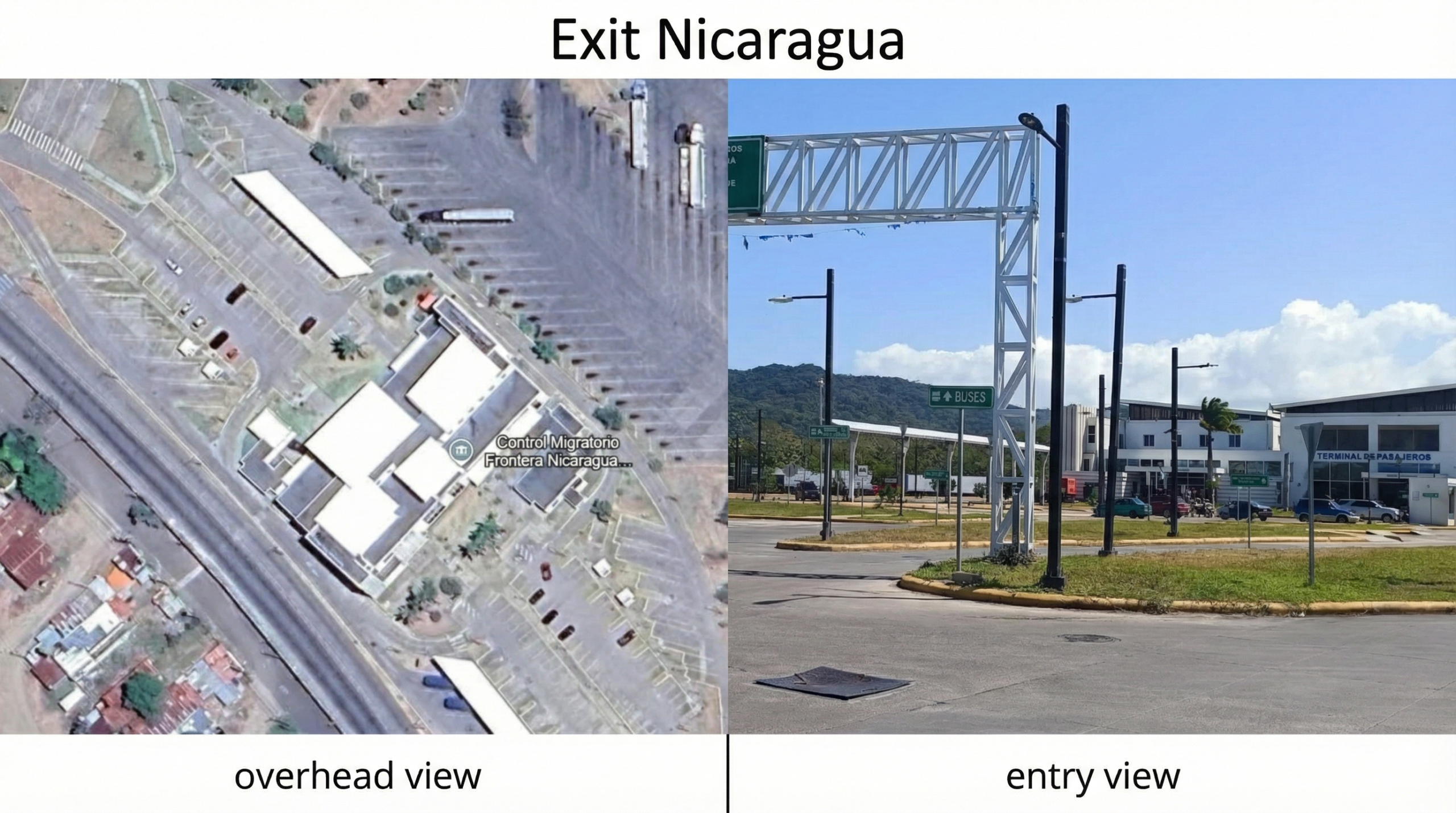
What we did on the Nicaragua exit side
- Exited TIP first (small buildings just outside the entry zone)
- Completed inspection steps when requested
- Stamped passports out
- Handled insurance close-out (if applicable)
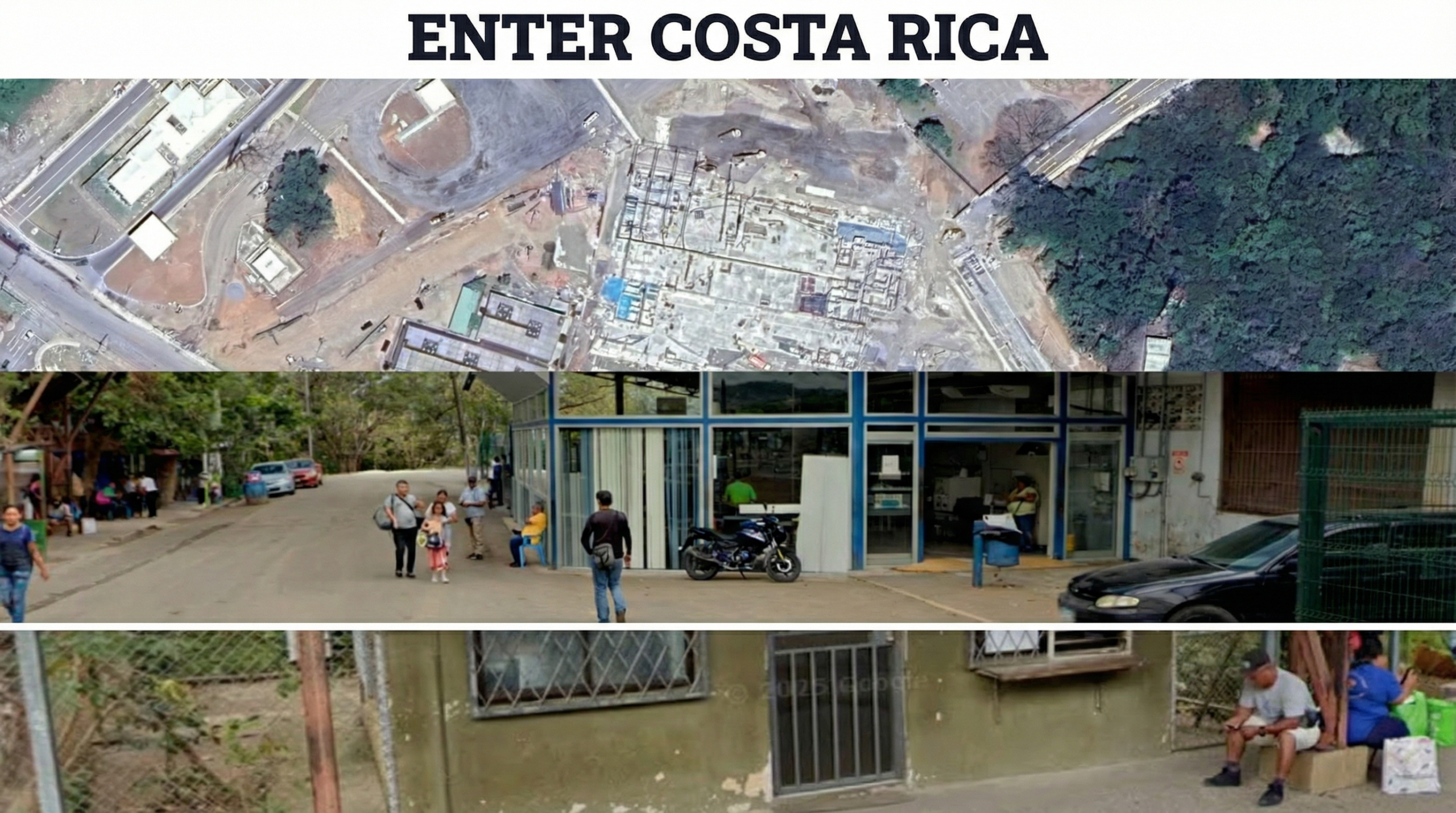
What we did on the Costa Rica entry side
- Parked and did passport stamping in the main building
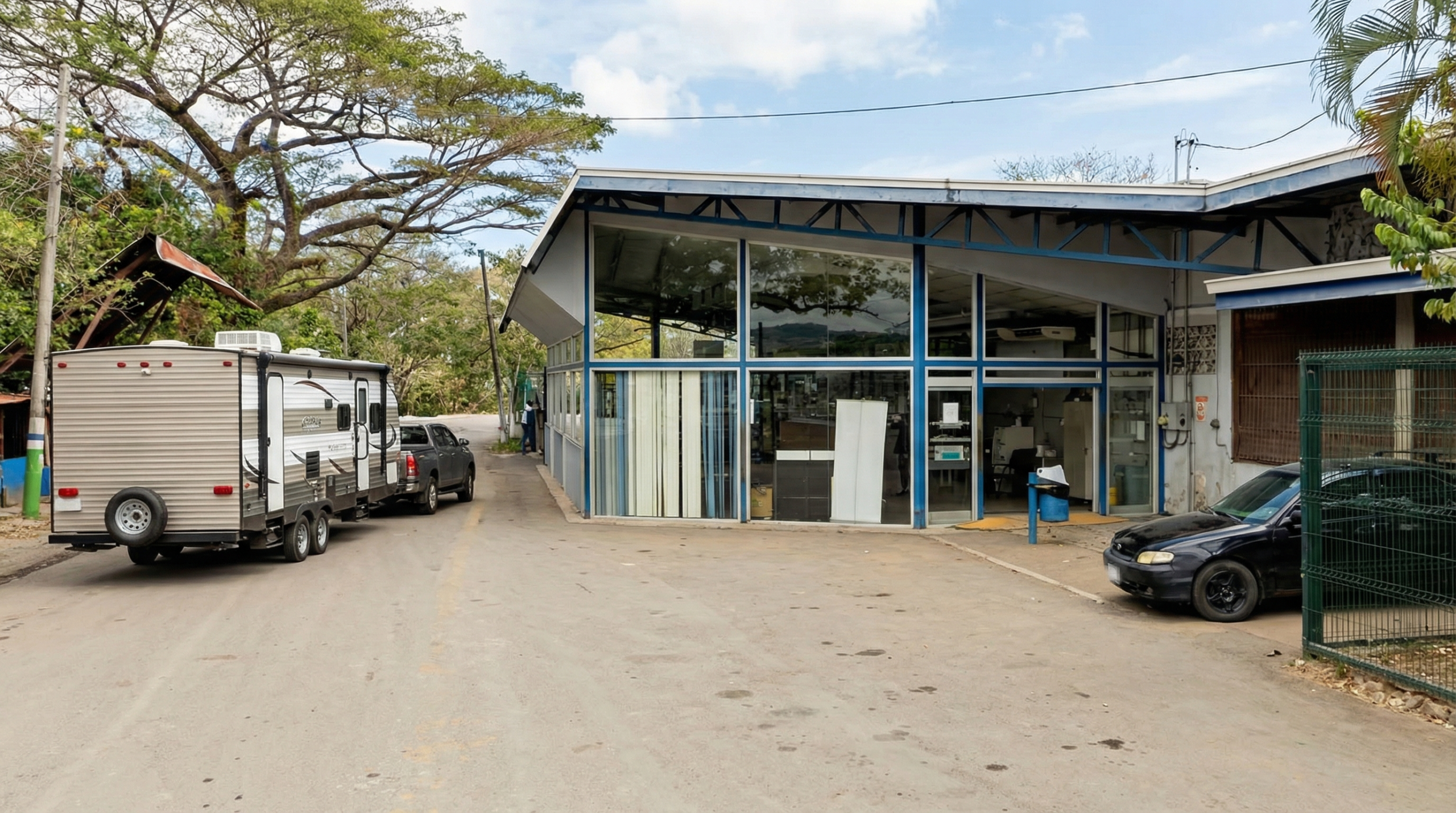
- Handled Costa Rica TIP at the separate “green building” area
- Drove about a minute to the right to the newer insurance building to get coverage
Quick “FYI” about time in Costa Rica
Costa Rica can grant tourist stays of up to 180 days, but the exact number of days is based on what the immigration officer stamps in your passport. You may also be asked for proof of onward travel and proof of funds depending on circumstances. For the official entry requirements overview, reference: Visit Costa Rica: entry requirements.
Costs & Fees at Peñas Blancas (Clarity Box)
You’ll hear numbers tossed around at borders like they’re weather forecasts. Keep it simple: separate official fees from optional services.
Official steps
- Immigration stamps (exit/entry)
- Vehicle import paperwork (TIP out / TIP in)
- Possible inspection-related steps
Insurance
- Costa Rica requires vehicle insurance (INS / SOA)
- Expect to purchase it near the border as part of entry
- Official INS site: Instituto Nacional de Seguros (INS)
Optional services
- Helpers “guiding” you (not required)
- Photocopies if you didn’t bring enough
- Parking assistance (sometimes helpful, often not needed)
Tools That Actually Help on Border Days
This is the point in the route where planning stops being “nice” and becomes survival. Two tools that consistently help RV travelers: iOverlander for real-world notes, and Roamless for staying connected.
iOverlander
- Helps you confirm recent border notes, parking, and nearby stops
- Useful for figuring out what’s normal versus what’s chaos
- External: iOverlander official site
- Internal guide: Essential iOverlander Camping App Guide
Roamless eSIM
- Border zones are where your signal seems to disappear right when you need it most
- Having data helps with translations, maps, and quick confirmations
- Internal: Roamless eSIM: Connectivity for RVers
Nicaragua “No Drones” Policy (Worth Knowing Before You Roll)
This matters even on the Nicaragua → Costa Rica day because it’s one of those items that can trigger extra attention during inspections. Nicaragua is known for strict drone restrictions. If you travel with a drone, treat it like a “special item” and verify your situation before you arrive.
If you have a drone in your rig
- Don’t try to hide it. If it becomes a problem, it becomes a big problem.
- Keep it accessible in case an officer asks about electronics/gear.
- If you’re unsure what applies to your situation, confirm before travel using official guidance.
Credible reference
- U.S. Embassy notice referencing drone restrictions: Alert: penalties possible for drone ownership in Nicaragua
Language Cheat Sheet (Peñas Blancas)
You don’t need perfect Spanish. You need a few phrases that get you pointed at the right building without a 20-minute detour.
| English | Spanish |
|---|---|
| Where do we cancel the vehicle permit (TIP) for Nicaragua? | ¿Dónde cancelamos el permiso del vehículo (TIP) de Nicaragua? |
| Where do we stamp out of Nicaragua? | ¿Dónde sellamos la salida de Nicaragua? |
| Where do we stamp into Costa Rica? | ¿Dónde sellamos la entrada a Costa Rica? |
| Where do we do the Costa Rica vehicle paperwork (TIP)? | ¿Dónde hacemos el trámite del vehículo (TIP) para Costa Rica? |
| Where do we buy the required vehicle insurance? | ¿Dónde compramos el seguro obligatorio del vehículo? |
| Our first stop is ____ and we leave on ____. | Nuestra primera parada es ____ y salimos el ____. |
| Is this an official fee or a service fee? | ¿Esto es una tarifa oficial o una tarifa de servicio? |
Continue the Route
Next border
Continuing south (future corridor):
FAQ
How do I prepare for Peñas Blancas crossing with an RV?
Have passports, vehicle registration, driver’s license, and multiple copies ready. You should also have a Costa Rica address (first stop is fine) and an exit date ready to answer immediately. The easiest way to stay calm is to follow the order: cancel Nicaragua TIP, stamp out, then stamp into Costa Rica, get Costa Rica TIP, then buy insurance.
What is the correct order at the Nicaragua → Costa Rica border crossing (Peñas Blancas)?
Think in two halves. Finish Nicaragua first (TIP out, stamps out, inspection if requested), then start Costa Rica (stamps in, TIP in, insurance). Most delays come from trying to do Costa Rica steps before you’re fully “done” on the Nicaragua side.
Do I need an address and exit date for Costa Rica?
Yes. At Peñas Blancas, being asked for a Costa Rica address and an exit date is common. Keep it simple: your first town/campground and a realistic date you plan to leave.
Do I need helpers at Peñas Blancas?
Not necessarily. We crossed without helpers on both the Nicaragua exit and Costa Rica entry sides. If you have a checklist and can follow the office order, DIY is often simpler and cheaper.
Where do I get Costa Rica vehicle insurance at the border?
Costa Rica requires vehicle insurance (INS / SOA). In our experience, the insurance building was a short drive to the right after the main entry steps. Official INS site: Instituto Nacional de Seguros (INS).
How long can I stay in Costa Rica as a tourist in 2026?
Costa Rica can grant tourist stays of up to 180 days, but the number of days is determined by the immigration officer’s stamp in your passport. Proof of onward travel may also be required depending on your situation. Official reference: Visit Costa Rica: entry requirements.
What are the best RV tips for Peñas Blancas to avoid delays?
Keep your documents in one folder, carry extra copies, and answer questions directly. Have a Costa Rica address and exit date ready to say out loud. Follow the border order and don’t bounce between buildings without confirming what step you’re currently completing.
Is there really a “no drones” policy in Nicaragua?
Nicaragua is known for strict drone restrictions and drone issues can create serious delays or consequences. If you travel with a drone, verify official guidance before your trip and treat it as a restricted item. Reference: U.S. Embassy notice on drone ownership in Nicaragua .


Leave a Reply