
Affiliate Disclosure: I earn commissions if you shop through the links below at no additional cost to you.
Last Updated on February 1, 2026 by Jeremy
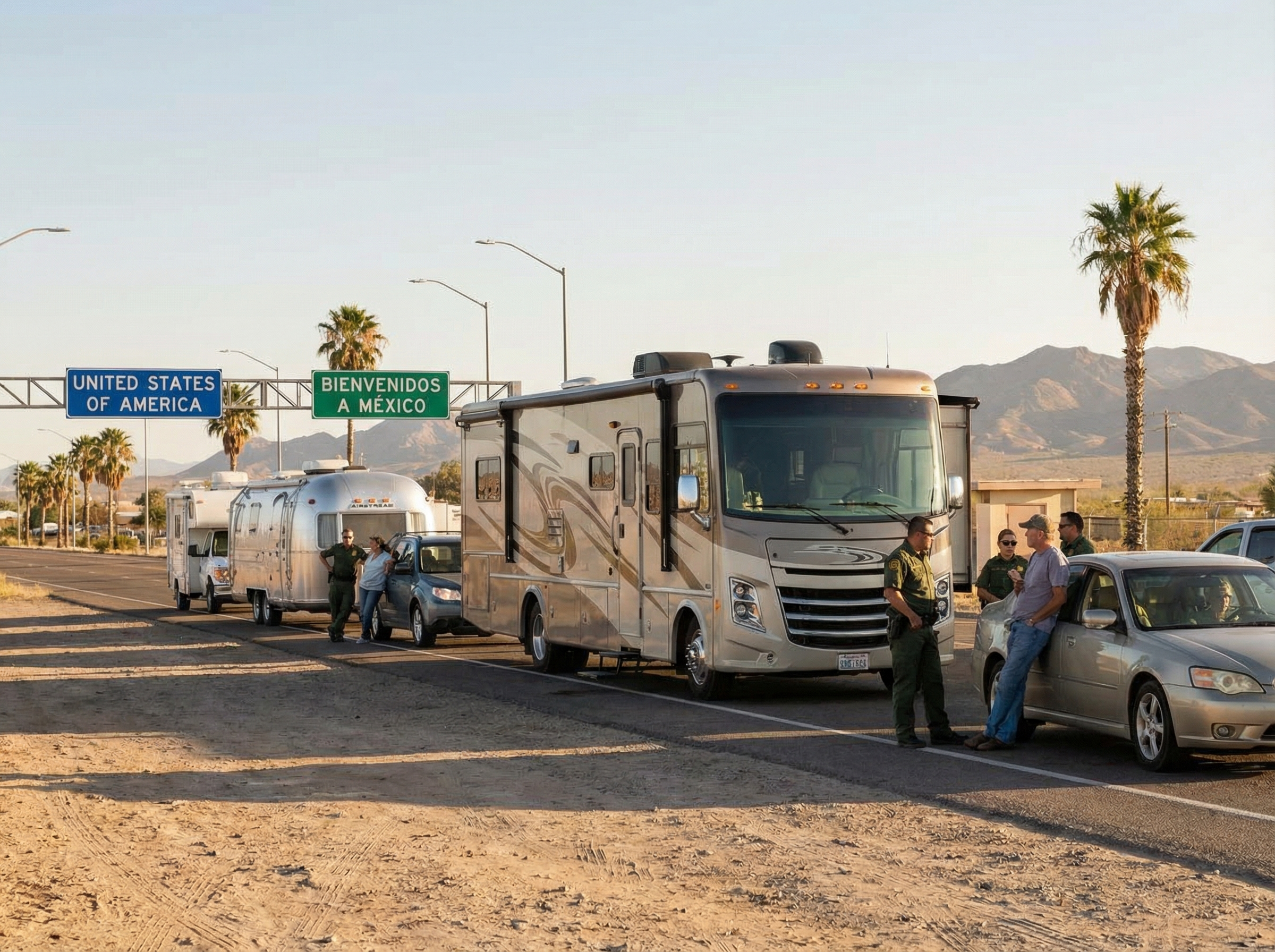
Crossing the Mexican border in an RV can be surprisingly smooth when you know the order of operations: immigration first, vehicle paperwork (TIP) next, then any inspection steps if you’re selected. This guide is written to work for any US–Mexico crossing, but I also included the exact crossing we used (with a map) so you can duplicate what worked for us. If you’re coming from Canada, start here first: US–Canada Border Crossing Rules.
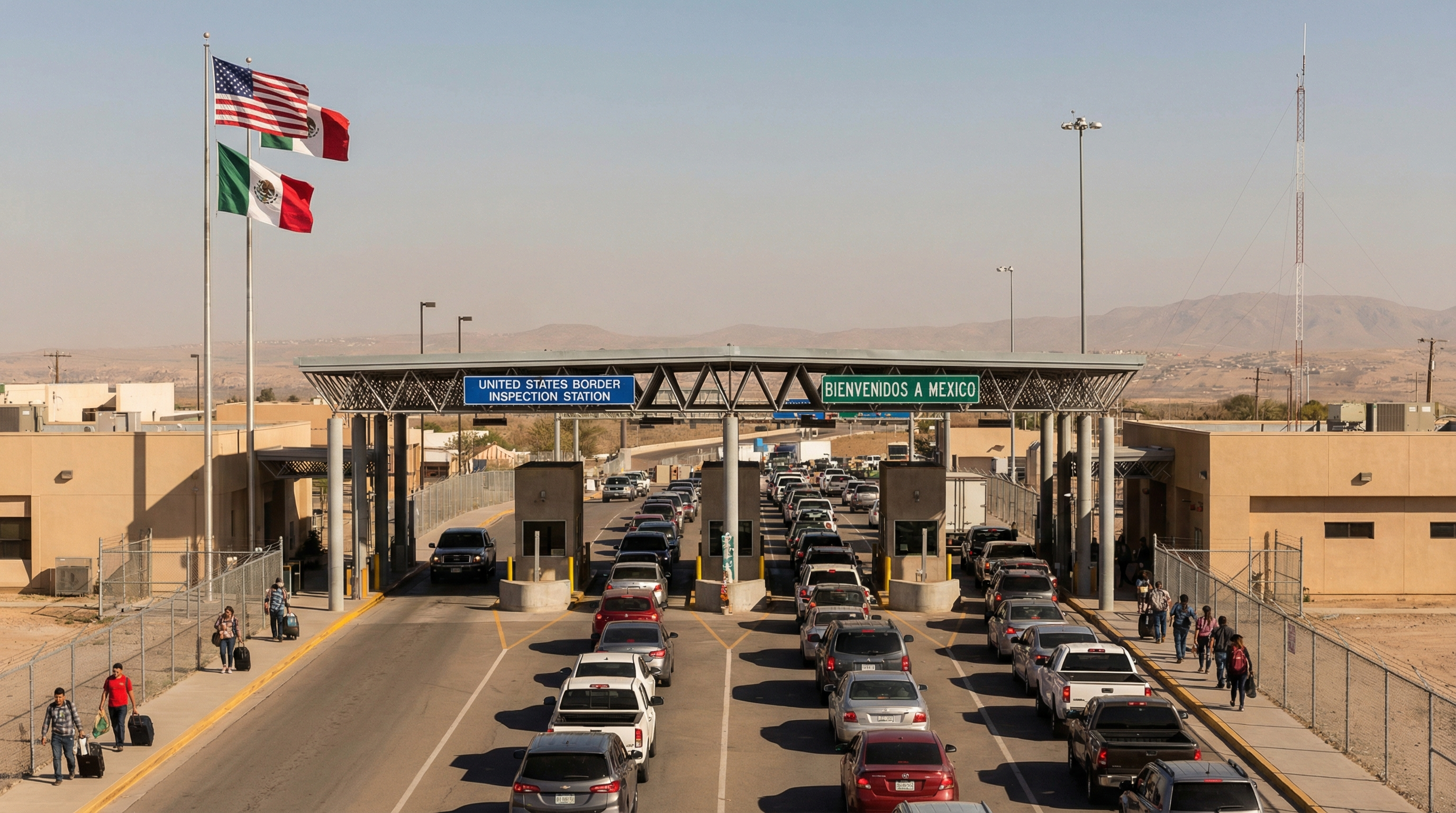
2026 US → Mexico RV Border Checklist
Print this, screenshot it, or keep it open while you’re approaching the border. This is the “make it boring” checklist.
People + documents
- Passport for each traveler
- Plan address (first stop is enough)
- Extra copies: passports, registration, insurance (paper copies still help)
- Cash in small bills (parking, small fees, helper tip, copies)
Vehicle paperwork
- Registration for tow vehicle + trailer / RV
- If financed/leased: lender permission letter (strongly recommended)
- Temporary Import Permit (TIP) plan (where you’ll get it at your crossing)
- Driver’s license and proof of insurance
Insurance (Mexico)
- Mexico vehicle insurance is a must
- We used this provider at the time (worked well and priced competitively for us):
- Cross Border Coverage – Mexican Car Insurance
Border booth answers
- Where are you going? (first stop)
- How long are you staying?
- Anything to declare?
- Are you doing vehicle paperwork (TIP) today?
Small “don’t regret it later” items
- Pen + clipboard
- Phone with offline map saved for the crossing area
- Water/snacks (border time feels longer when you’re hangry)
- Patience. Not the fake kind. The real kind.
Step-by-Step: Crossing Into Mexico With an RV
This is the generic flow that applies at most crossings. Your exact building locations may differ, but the order is usually the same.
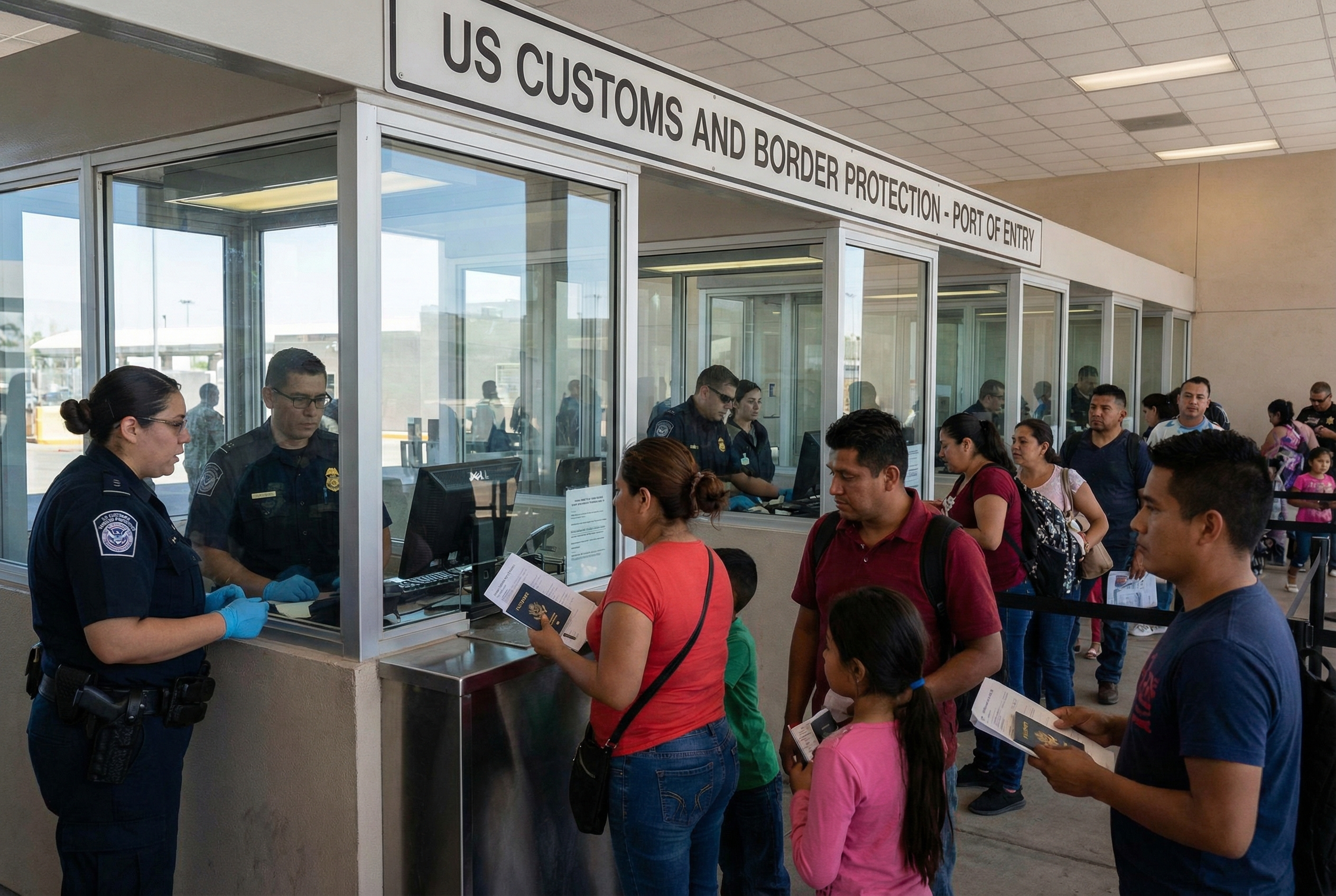
1) Immigration (passport / entry paperwork)
- Park where directed (or where signage indicates for immigration)
- Complete the entry process for each traveler
- Keep your stamped documents together before moving to vehicle paperwork
2) Vehicle paperwork (TIP) if you’re going beyond the border zone
If you plan to travel deeper into Mexico, you’ll typically need the vehicle import process handled at the appropriate office. The exact rules depend on your route and destination, so it’s worth confirming your situation before you cross. A resource that helped us a lot while planning: Go Experience Mexico – Borders & Driving.
3) Insurance confirmation
Mexico vehicle insurance matters. We bought ours online before crossing. If you want the exact provider we used at the time: Cross Border Coverage (Mexico insurance).
Inspection and Checkpoint Reality
RVs and trailers sometimes get waved through quickly, and sometimes you’ll be asked to pull aside. Either way, staying organized and answering clearly is what keeps it smooth.
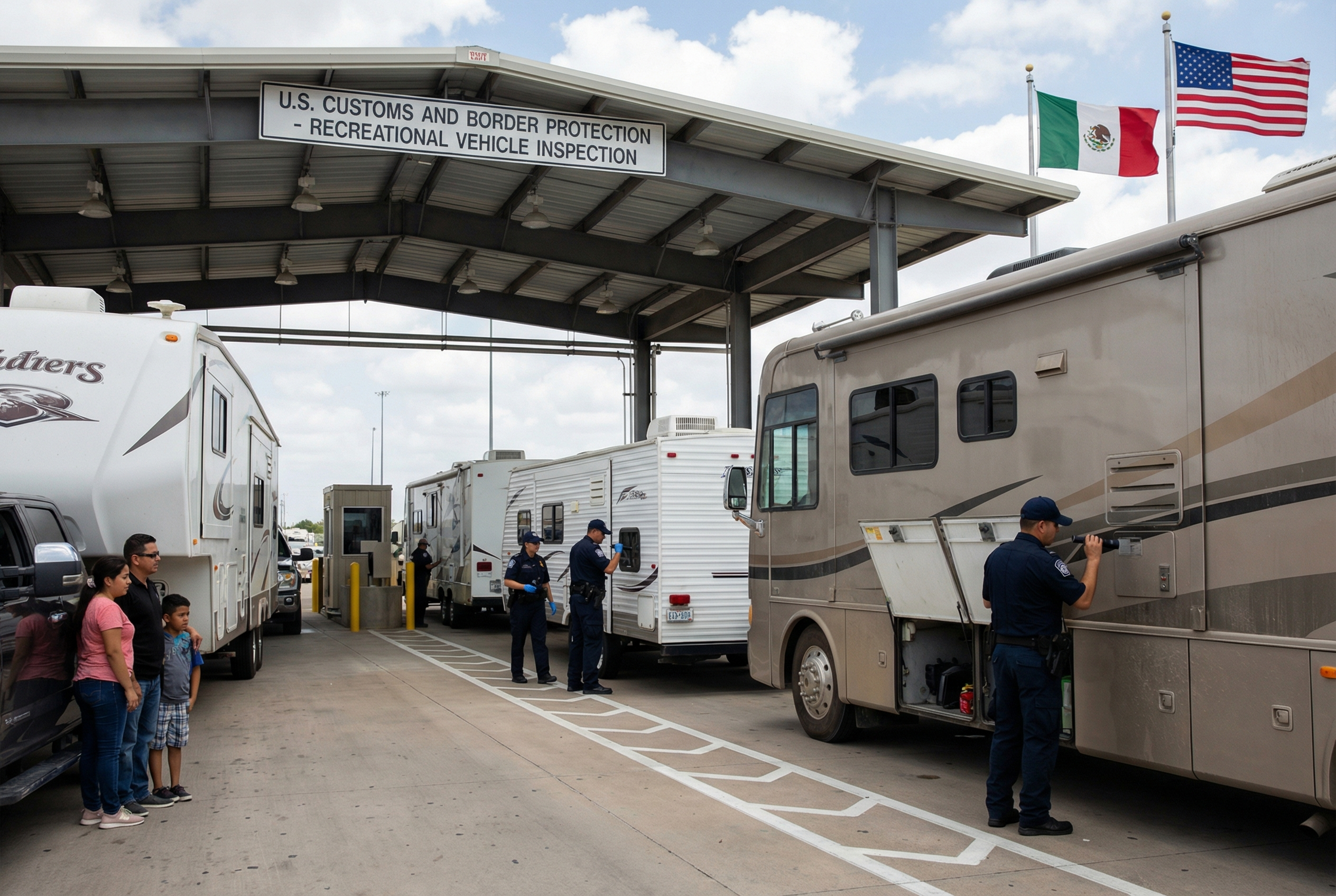
What they may check
- Basic questions about destination and length of stay
- Quick look inside compartments or storage areas
- Confirmation of vehicle paperwork plans (TIP) if you mention it
How to make it painless
- Be direct and consistent
- Don’t over-explain
- Know what’s in your exterior compartments (tools, fuel cans, big grocery loads)
Helper Route vs DIY Route
Some crossings have helpers (facilitators) who offer to guide you through the steps. You can do it yourself too. The right choice depends on your comfort level, your Spanish, and how much you value speed vs certainty.
DIY route
- Best for: confident travelers who want full control
- Bring: printed copies, pen, patience, and a clear checklist
- Biggest risk: missing one office or doing steps in the wrong order
Helper route
- Best for: first-timers, nervous crossers, or anyone short on time
- They usually help with: where to park, which window, what to bring inside
- Our experience: we gave a helper $2 USD and he bought himself a Coke. No pressure. Worth it for clarity.
The Exact Crossing We Used (So You Can Duplicate It)
This is the real-world part. The steps above are generic, but this section shows the crossing we personally used and how it went.
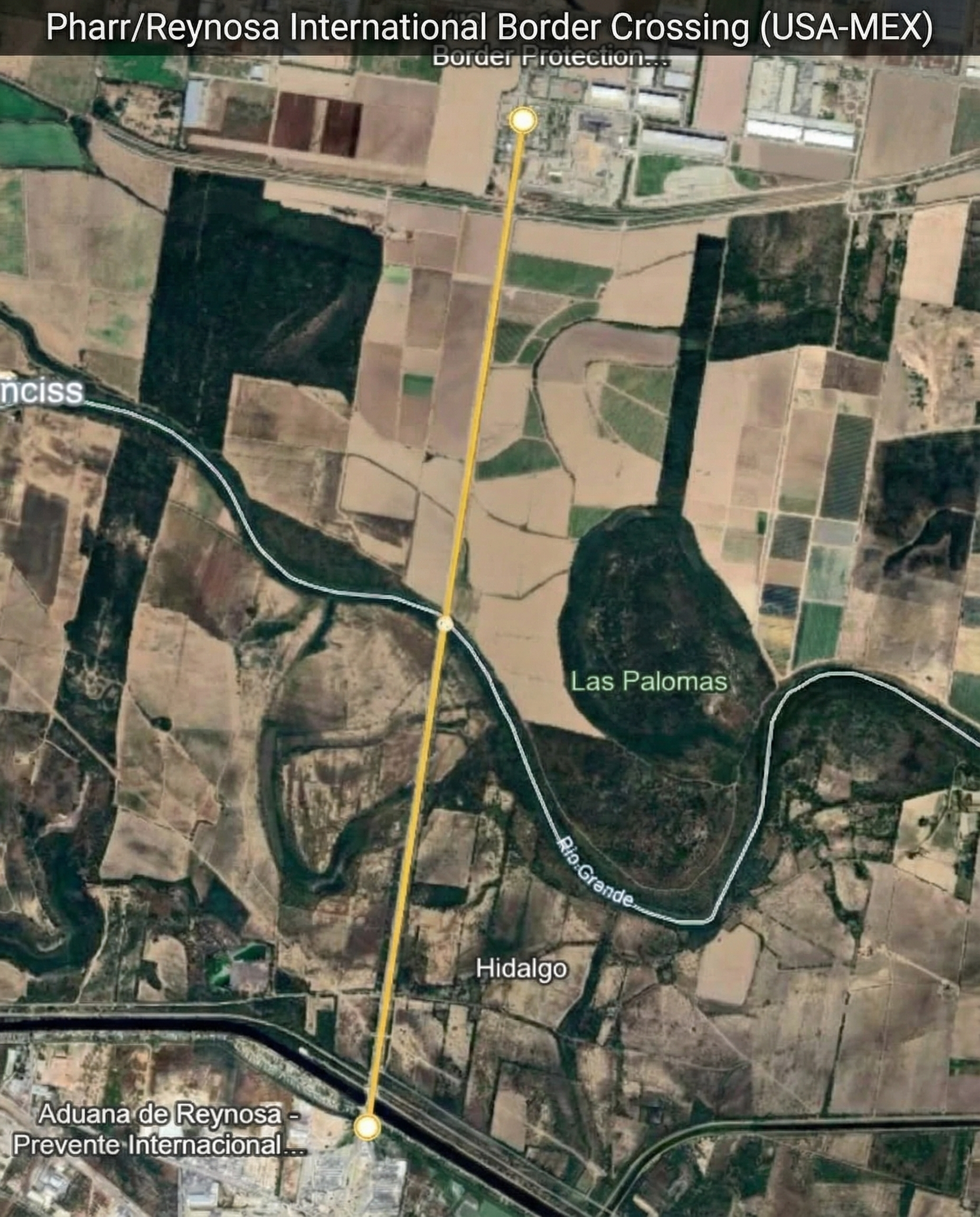
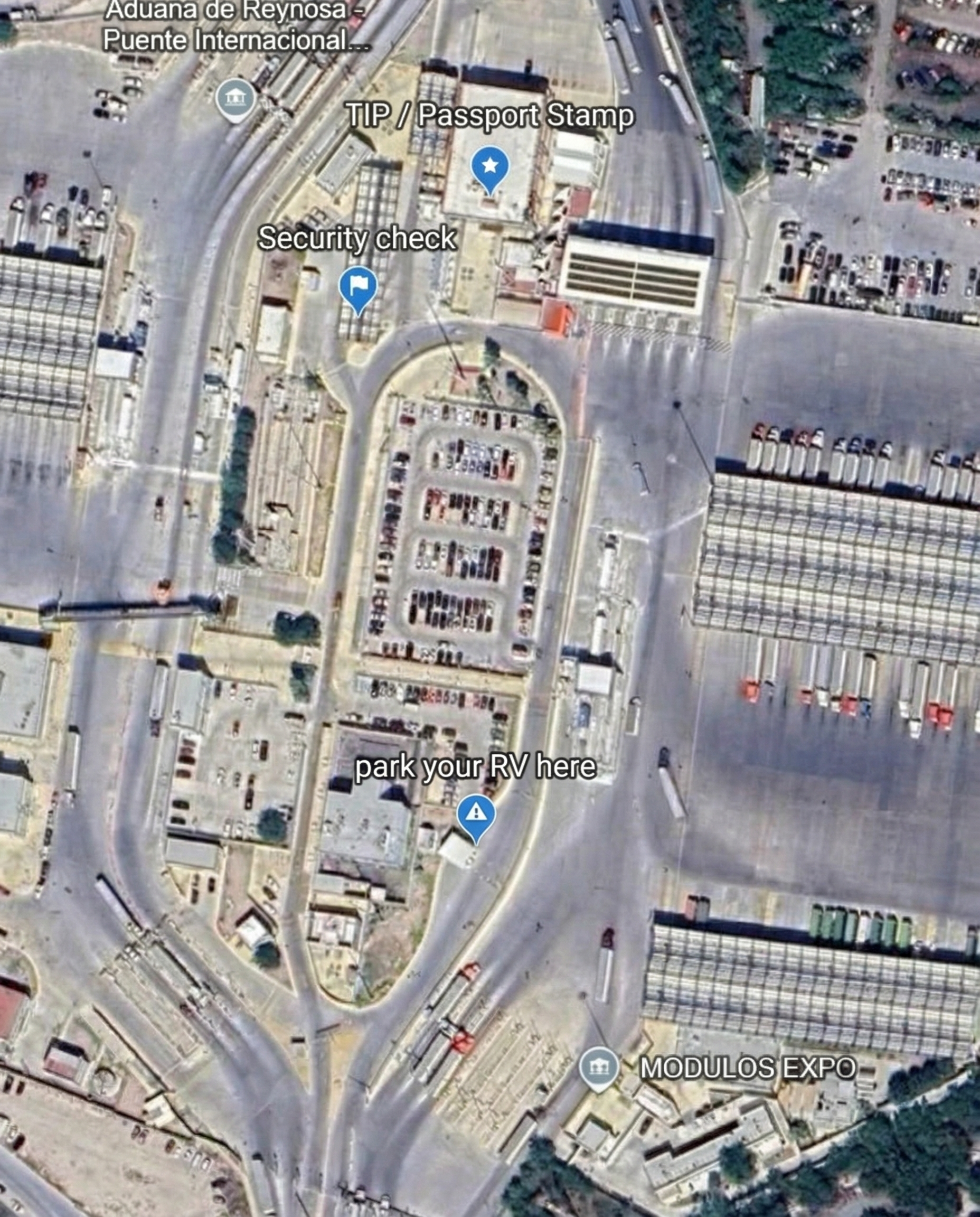
What happened (honest version)
- Total time for us: approximately 1 hour
- We didn’t know the process, so we initially drove through the security checkpoint first
- After a quick inspection, we were waved through
- We asked where to obtain the TIP, and they directed us to park at the location shown on the map above
- We walked in and completed what we needed to do (helper available on-site)
Resources We Actually Used
I’m keeping this section tight. These were genuinely useful when we were planning and trying not to overcomplicate the whole thing.
- Mexico insurance provider we used: Cross Border Coverage – Mexican Car Insurance
- Border planning resource that helped us a lot: Go Experience Mexico – Borders & Driving
Cell Phone Coverage & Data at the Mexico Border
One thing that doesn’t get talked about enough in border guides is connectivity. Border zones are often where roaming fails, carrier rules get fuzzy, and you suddenly realize you need data right now.
We didn’t want to rely on public WiFi or guess whether our home carrier would behave once we crossed, so we set up data before hitting the border.
Why having data matters at the border
- Accessing saved maps and confirming locations for immigration or TIP offices
- Looking up insurance details or confirmation emails
- Using translation tools if language becomes a barrier
- Messaging family or updating plans if the process takes longer than expected
The eSIM option we used
We used Roamless as our eSIM solution so we had data as soon as we crossed. No SIM swapping, no hunting for a store, and no guessing whether roaming would work.
If you want the full breakdown of how it works and whether it makes sense for RVers: Roamless eSIM – Connectivity for RVers, Campers & Off-Grid Travel
Language Cheat Sheet (English → Spanish)
You don’t need perfect Spanish, but having a few phrases ready can reduce confusion fast.
| English | Spanish |
|---|---|
| Where do we stamp our passports? | ¿Dónde sellamos los pasaportes? |
| Where do we get the TIP? | ¿Dónde sacamos el TIP? |
| Where do we park for immigration? | ¿Dónde estacionamos para migración? |
| Do we need vehicle insurance? | ¿Necesitamos seguro para el vehículo? |
| We are traveling with an RV and a trailer. | Viajamos con una casa rodante y un remolque. |
| Can you show us where to go next? | ¿Nos puede indicar a dónde ir ahora? |
Continue the Route
Coming from the north?
Start here before you head south:
Leaving Mexico for Guatemala?
See the next guide in the series:
FAQ
How do I prepare my RV for border crossing into Mexico?
Get your documents organized (passports, registration, insurance), bring extra copies, and know whether you need TIP for your travel plans. Save key links and screenshots offline, and keep cash in small bills for parking, copies, and small fees.
Do I need Mexico insurance to drive an RV in Mexico?
Yes, you should have Mexico vehicle insurance. We bought ours online before crossing. This is the provider we used at the time: Cross Border Coverage – Mexican Car Insurance .
What is the typical process order at the US–Mexico border?
In most cases: immigration first (traveler entry paperwork), then vehicle-related steps (like TIP if you need it), then inspection/checkpoint steps if you’re selected. Crossings vary, so always ask where to park for the step you need.
Should I use a border helper or do it myself?
DIY works if you’re comfortable and organized. A helper can be worth it if you’re a first-timer or you want speed and certainty. In our case, a helper helped with direction and we tipped $2 USD (he bought himself a Coke). No pressure, just clarity.
How to cross the Mexican border with an RV safely?
Stay organized, keep your documents ready, don’t carry anything you can’t explain, and avoid guessing about vehicle paperwork. If you’re unsure where to get TIP or stamp passports, ask directly and park where directed.
What resource helped you plan the Mexico border process?
This page helped us a lot while planning: Go Experience Mexico – Borders & Driving .




.jpg/:/cr=t:5.56%25,l:0%25,w:100%25,h:88.89%25/rs=w:1240,h:620,cg:true)



Leave a Reply