

Last Updated on September 14, 2026 by Jeremy
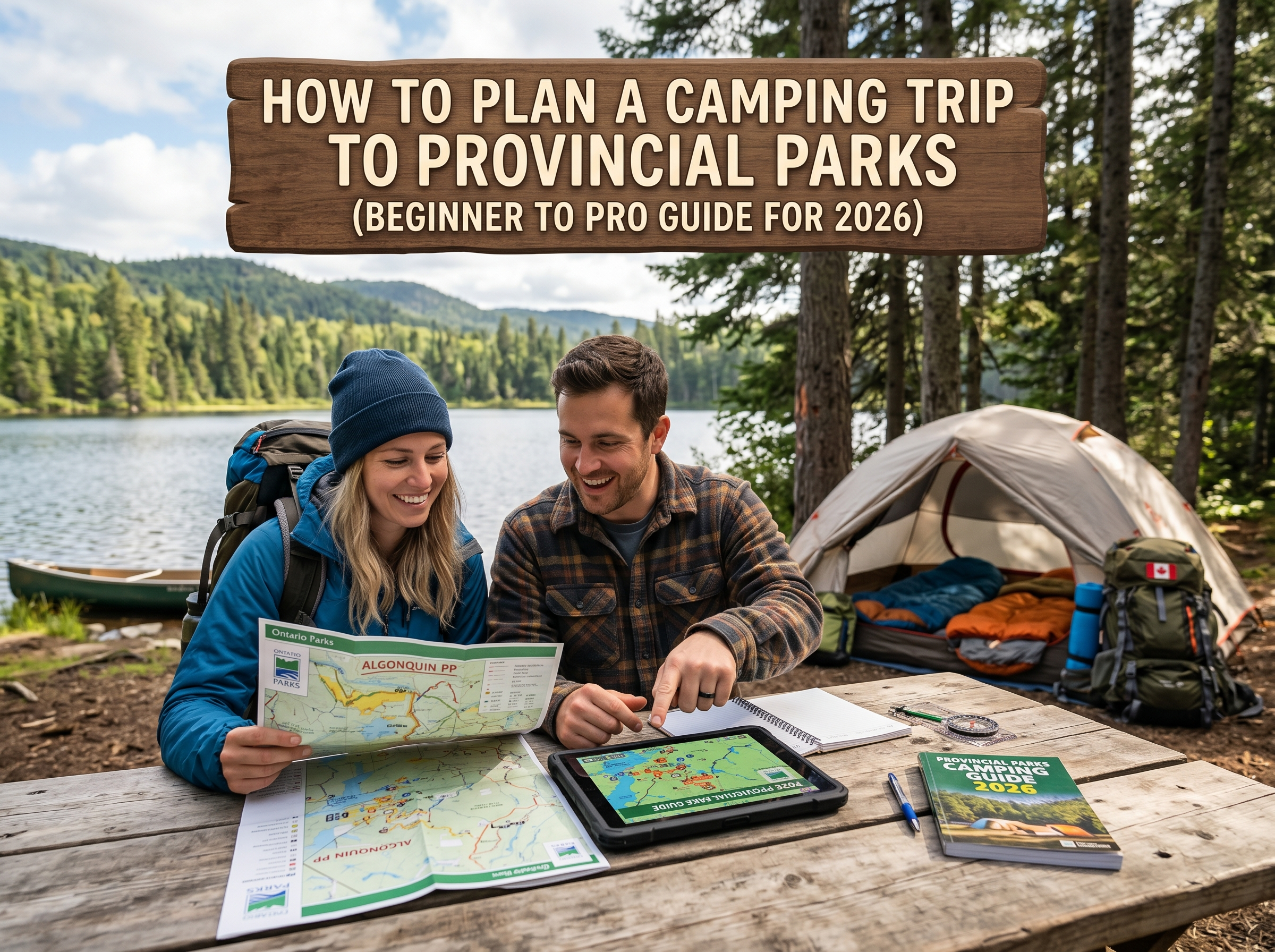
Provincial park camping is one of the best ways to enjoy Canada by RV, trailer, van, tent, or truck camper. The trick is choosing the right park, booking the right site, knowing the rules, packing smart, and leaving enough room in the plan for weather, wildlife, and the occasional campground curveball.
Planning a camping trip to a provincial park sounds simple until you actually sit down to do it.
You open one booking site, then another province’s park page, then a campground map, then a weather tab, then a gear list, then suddenly you’re wondering if you need firewood, a park pass, bear spray, a power adapter, a reservation account, and possibly a second coffee just to survive the planning stage.
Provincial parks are some of the best places to camp in Canada, especially for RVers, tent campers, families, road trippers, and anyone who wants a real outdoor trip without disappearing into the bush like a half-prepared survival show contestant. But the best trips usually come down to one thing: planning the right park, site, season, gear, and backup plan before you roll in.
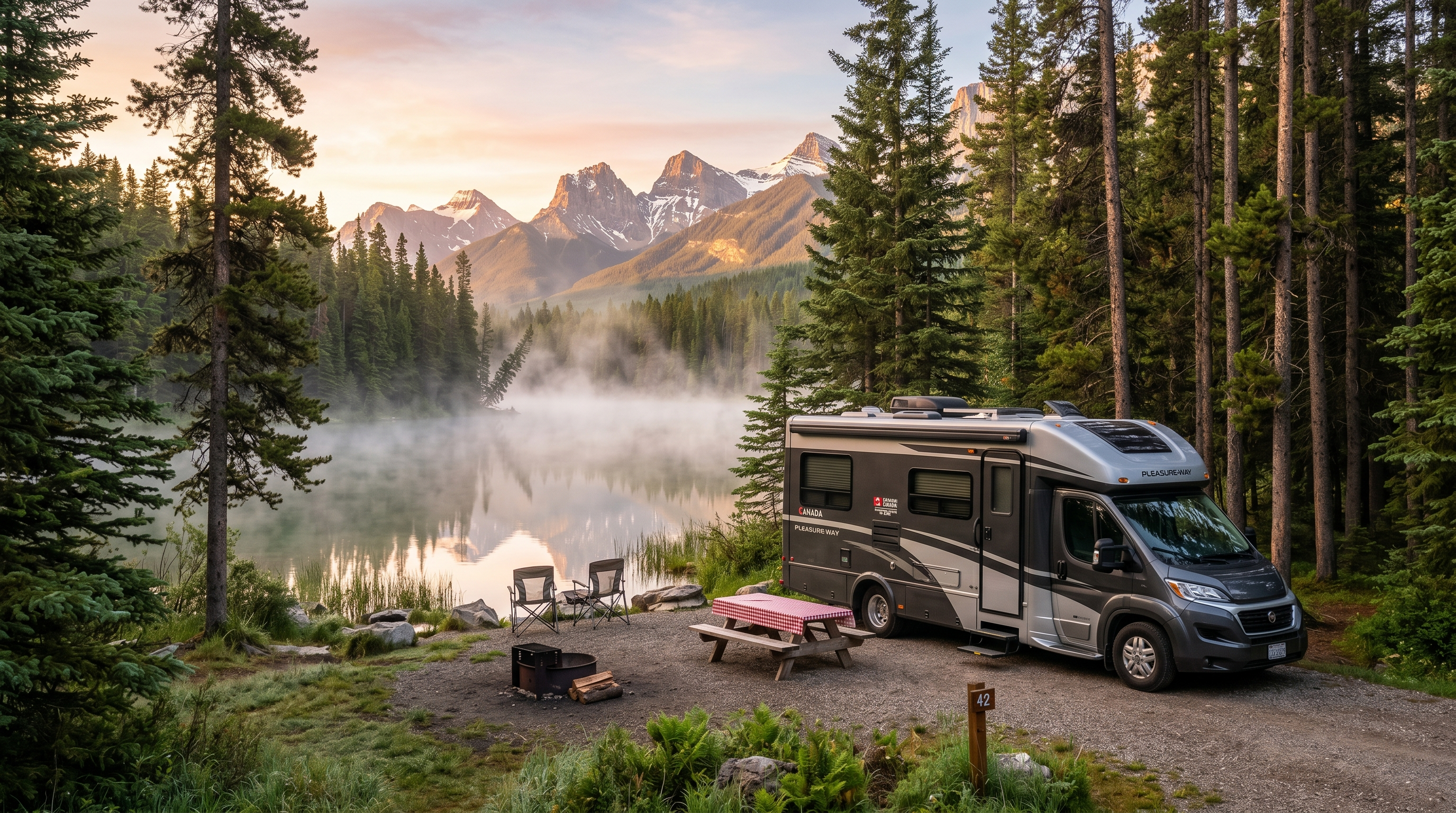
Provincial park camping is easier when you plan the park, site, rules, gear, and weather before you arrive.
TL;DR: The Quick Version
- Choose your province, travel window, and camping style first.
- Pick a park that matches your RV size, hookups, activities, and comfort level.
- Book early using the official provincial park reservation system.
- Check rules for pets, campfires, generators, quiet hours, and maximum stay limits.
- Pack smart and check the weather before you go.
- Have a backup plan if your first-choice park is full.
Best Next Step
Use the Campground Picker to narrow down what kind of campground actually fits your trip, then use the Camping Checklist Generator so the small stuff does not get forgotten.
What Makes Provincial Park Camping Different?
Provincial park camping sits in a sweet spot between private campgrounds and more remote public land camping. You usually get more nature than a commercial RV park, but more structure than pulling off into the backcountry and hoping common sense packed itself.
Most provincial parks have defined campsites, posted rules, reservation systems, park staff, washrooms or outhouses, fire pits where allowed, access to trails or lakes, and some level of maintenance. Depending on the park, you may also find serviced RV sites, dump stations, potable water, boat launches, interpretive trails, beaches, playgrounds, and day-use areas.
The tradeoff is that provincial parks can be competitive to book, especially during summer weekends, long weekends, school holidays, and popular fishing or lake seasons. The better-known parks often fill quickly, while smaller or less famous parks may still have sites if you know where to look.
Step 1: Choose the Province and Camping Season First
Before you start comparing individual parks, decide where and when you actually want to camp. Canada is not one giant campground with one weather forecast, even if some travel articles make it sound that way.
A provincial park trip in British Columbia can feel completely different from one in Saskatchewan, Alberta, Manitoba, Ontario, or the Maritimes. Mountain parks may have colder nights, shorter seasons, and more dramatic weather changes. Prairie parks can be windy, open, hot, and surprisingly beautiful when you hit the right lake or valley. Northern parks may offer quieter camping but require more self-sufficiency.
May and June
Cooler nights, fewer crowds, possible bugs, and less predictable weather. Great if you like quieter parks, but you need to pack for changing conditions.
July and August
Warmest weather, busiest campsites, higher demand, and more family activity. This is peak season, so booking early matters.
September
Quieter parks, cooler evenings, fewer bugs, and a great shoulder-season feel. Often one of the best windows if your schedule allows it.
Winter or Year-Round Camping
Only available in some parks and usually requires more preparation, different gear, and a realistic look at road access and services.
Step 2: Decide What Kind of Camping Trip You Actually Want
This is where a lot of people go sideways. They search “best provincial parks for camping,” pick the most famous name on the list, then realize the park is too far, too busy, too rustic, too strict, too expensive, or completely wrong for their setup.
Before choosing the park, choose the type of trip.
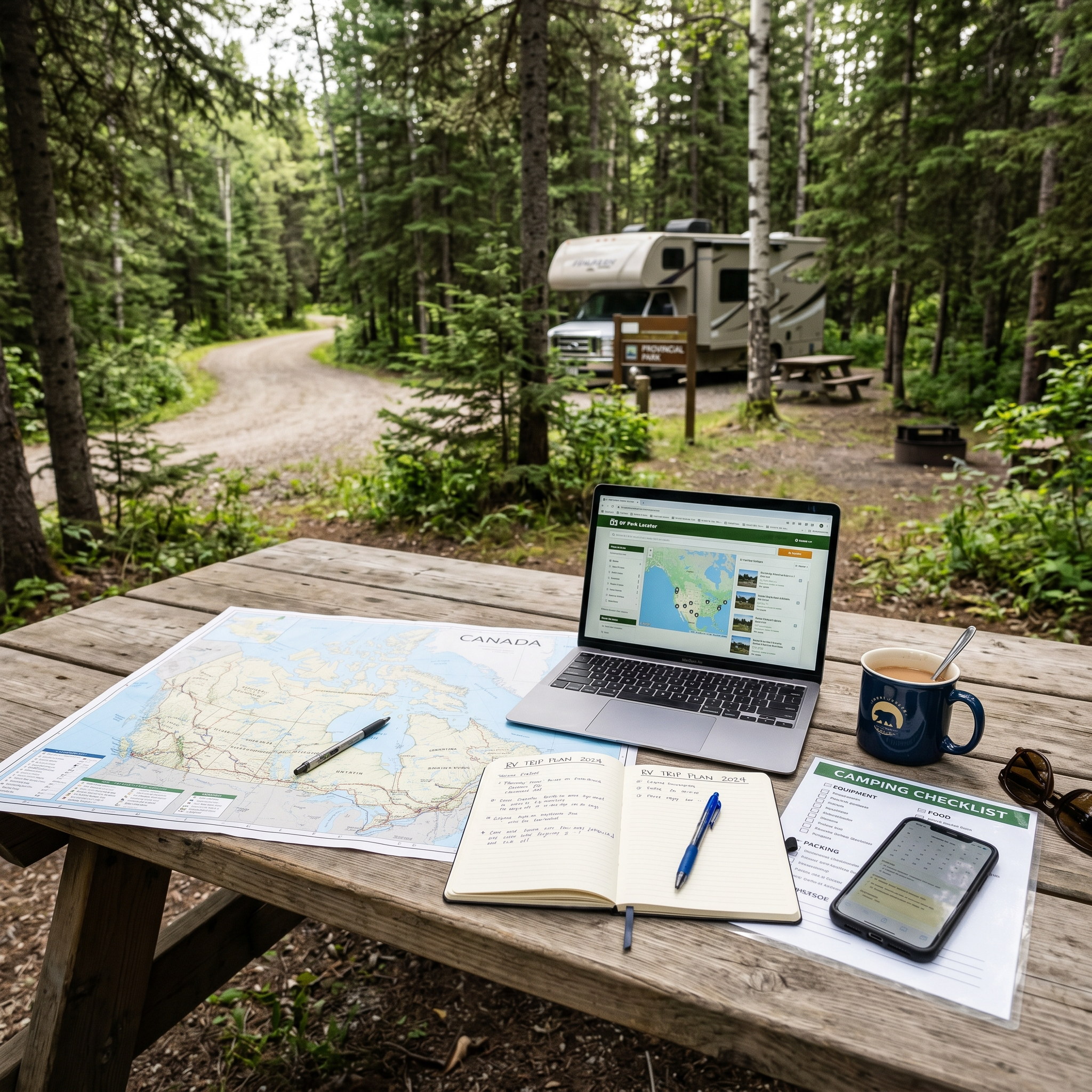
Start with your trip style before choosing the park. A relaxing lake weekend and a hiking-heavy adventure need different campsites.
RV Camping
Check site length, electrical service, road width, pad slope, dump station access, and whether your tow vehicle can actually fit once the trailer is parked.
Family Camping
Look for beaches, playgrounds, bathrooms, short trails, safe biking areas, and sites that are not a long hike from basic facilities.
Quiet Camping
Try smaller parks, shoulder season, non-electric loops, and midweek dates. Avoid major beach parks on summer long weekends unless chaos is your love language.
Adventure Camping
Focus on hiking trails, paddling routes, fishing, wildlife viewing, backcountry access, and whether the park actually supports the activities you want.
Step 3: Choose the Right Provincial Park for Your Camping Style
Not all provincial parks serve the same kind of camper. Some are built around lakes and beaches. Some are better for hiking. Some are fishing-focused. Some work well for big RVs. Others are better suited to tents, vans, or smaller trailers. Some feel like a peaceful nature escape, while others feel like a summer village with fire pits.
Neither is wrong. You just want to know which one you are booking before you arrive.
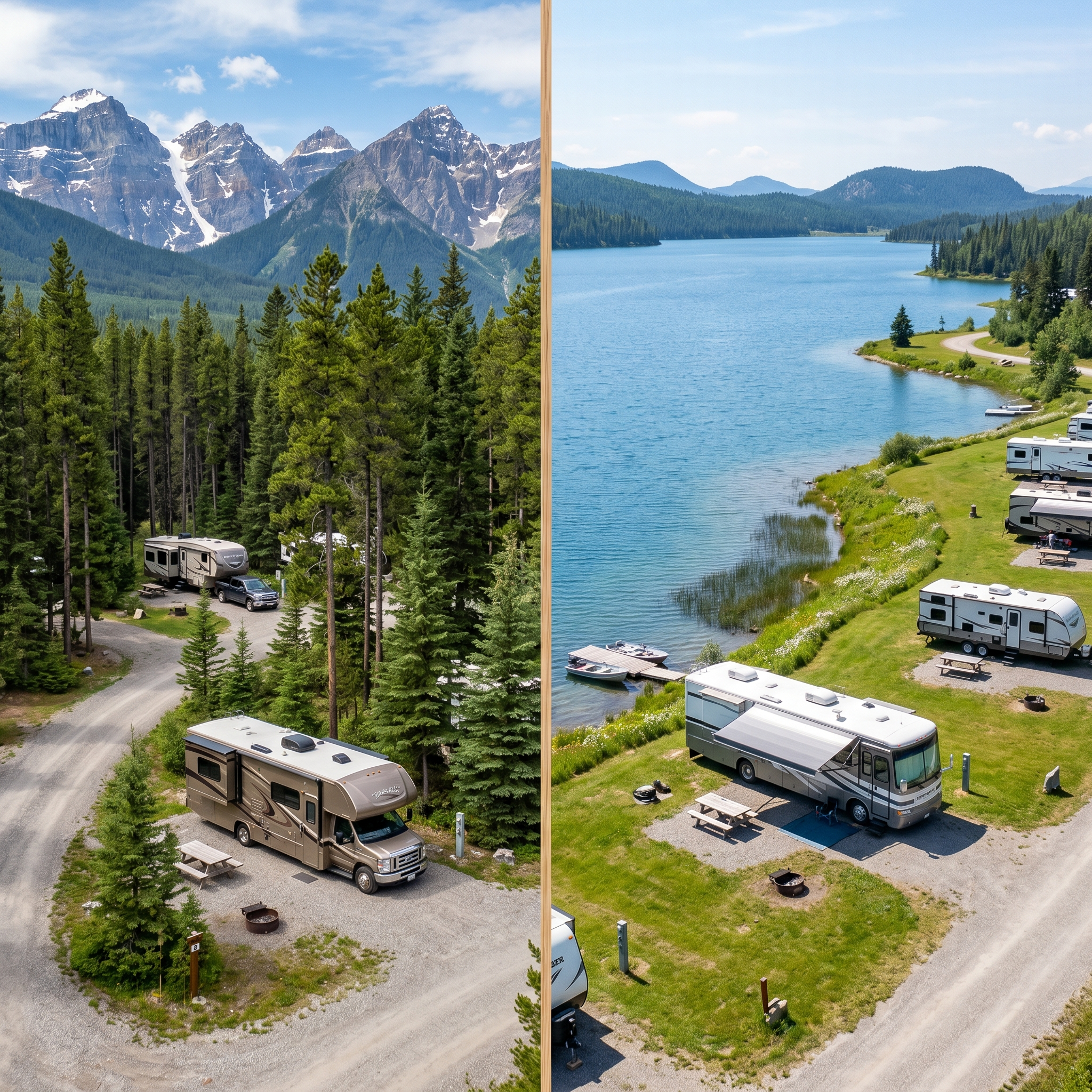
Different provincial parks suit different campers. Match the park to your trip instead of chasing the most popular name.
| Trip Type | Look For | Avoid |
|---|---|---|
| First-time campers | Easy road access, washrooms, potable water, nearby town, clear site maps | Remote parks with limited services and poor signage |
| RV camping | Site length, electrical service, dump station, wide roads, level pads | Tight loops, low branches, unclear site dimensions |
| Family camping | Beach, playground, short trails, bathrooms, safe biking areas | Steep sites, long walks to water, no nearby facilities |
| Quiet camping | Smaller parks, shoulder season, non-electric loops, midweek dates | Major beach parks on summer long weekends |
| Adventure camping | Trail access, paddling routes, fishing, wildlife viewing, backcountry options | Parks with limited recreation beyond the campground |
Step 4: Understand Campsite Types Before You Book
Provincial park campsite labels can look simple until you realize “vehicle accessible” does not always mean “great for your 35-foot trailer,” and “serviced” can mean different things depending on the province or park.
Always read the details on the official reservation page. Site length, driveway slope, surface type, shade, privacy, distance to washrooms, generator rules, and hookup availability matter more than the pretty site photo.
Unserviced Campsites
No power, water, or sewer at the site. Good for tents, vans, smaller RVs, and campers who can manage their own power and water.
Electrical Campsites
Usually 15, 30, or 50 amp power depending on the park. Always verify the actual amperage before booking.
Full-Service Campsites
May include power, water, and sewer, but availability varies widely by province and park.
Walk-In Campsites
You park nearby and carry gear in. Great for tent campers, not so great if you were planning to back in a travel trailer.
Backcountry Campsites
Usually hike-in, paddle-in, or remote access. These require a different level of planning and preparation.
Comfort Camping
Cabins, yurts, huts, or other fixed accommodations in some parks. A good option if you want nature without dragging half your garage along.
Step 5: Book Campsites Early, But Keep a Backup Plan
Provincial park reservations are often based on rolling booking windows or annual launch dates, depending on the province. Some campsite types may open months in advance, while others follow different rules. That means you should never assume one province’s booking system works like another.
Check the official reservation system for the province you are visiting before you build your whole trip around wishful thinking and one available-looking campsite screenshot.
Smart Booking Tips
- Create your reservation account before booking day.
- Save your preferred parks and campground loops ahead of time.
- Know your RV length, electrical needs, and arrival dates.
- Have at least 3 backup parks or dates.
- Try midweek dates if weekends are full.
- Watch for cancellations closer to your trip.
- Read cancellation and change policies before paying.
For popular parks, you may need to treat booking morning like a tiny online rodeo. Log in early, know what you want, and be ready with backups. For less popular parks, you may have more flexibility, especially outside peak summer weekends.
Planning Private Campground Backups?
For planning private campground backups around your provincial park route, check the Campground Picker first, then compare options through the Campspot brand page if you need a private campground alternative nearby.
Step 6: Check Provincial Park Rules Before You Pack
Every province has its own park system, and individual parks may have additional local rules. This is where campers get caught off guard. They assume dogs are allowed everywhere, campfires are fine because the site has a fire ring, generators can run whenever, and one extra tent will not matter.
Then they arrive and discover the fine print has teeth.
Pets
Check leash rules, beach restrictions, dog-friendly trails, and whether pets can be left unattended at campsites.
Campfires
A fire ring does not guarantee a campfire. Fire bans and restrictions can change fast.
Generators
Many parks have generator hours. Do not assume you can run one whenever the battery starts giving you side-eye.
Quiet Hours
Know them, respect them, and avoid becoming the campsite everyone grumbles about at the water tap.
Rules to Check Before Every Trip
- Maximum number of people per campsite
- Maximum number of vehicles per campsite
- Extra tent or shelter rules
- Quiet hours
- Generator hours
- Pet rules and restricted areas
- Campfire rules and fire bans
- Firewood rules and transport restrictions
- Check-in and check-out times
- Food storage and wildlife rules
Step 7: Plan for Campfires, Fire Bans, and Cooking
Campfires are one of the classic parts of camping, but they are never guaranteed. Fire bans and restrictions can change quickly, especially during hot, dry, or windy conditions. In some areas, a fire ban can prohibit wood campfires in campgrounds and on public land.
Before you leave, check the official fire ban or wildfire information for the province or region you are visiting. Do this again shortly before arrival, because fire conditions can change between the day you pack and the day you pull into the park.
Before You Light a Fire
- Check current fire bans and restrictions.
- Confirm whether propane fire pits are allowed.
- Buy firewood locally if required.
- Never move firewood where rules prohibit it.
Cooking Backup Plan
- Bring a camp stove or grill.
- Pack easy no-fire meals.
- Keep water nearby if fires are allowed.
- Fully extinguish fires before leaving or sleeping.
Step 8: Build a Provincial Park Camping Gear Checklist
Provincial park camping does not require you to buy every shiny thing in the camping aisle. That said, forgetting the basics can turn a great campsite into a slow-motion comedy.
Your checklist should match your setup. A family in a travel trailer with hookups needs a different list than two people tenting at an unserviced site. Start with the essentials, then add comfort items once the basics are covered.
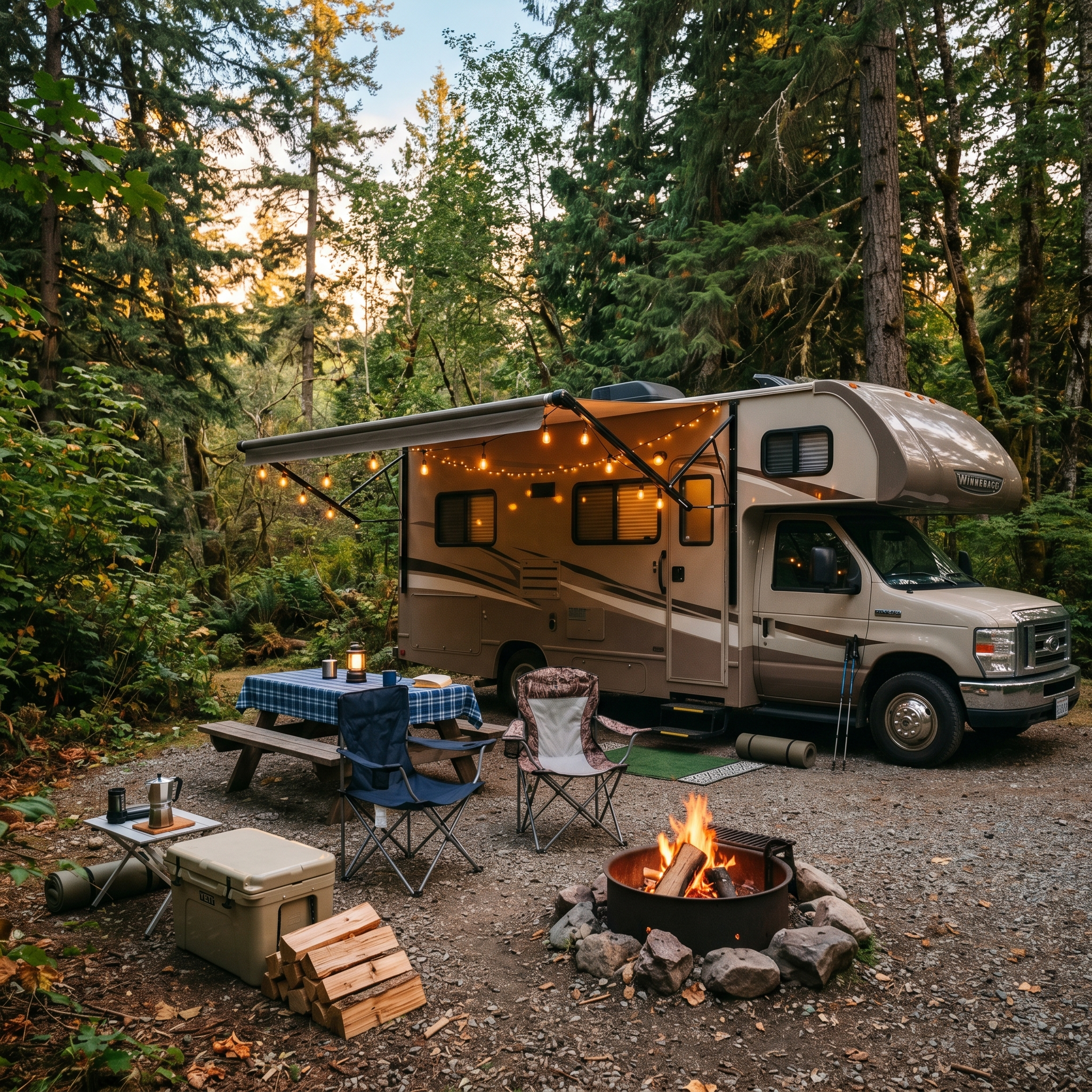
A good campsite setup starts with the boring basics: water, power, food storage, lighting, weather gear, and enough common sense to check the rules.
RV Essentials
- Leveling blocks or pads
- Fresh water hose
- Water pressure regulator
- RV power adapters
- Surge protection
- Sewer hose and gloves
- Basic tools, fuses, tape, and zip ties
Camp Essentials
- Reservation confirmation
- Food storage bins
- Headlamps or lanterns
- First aid kit
- Bug spray and sunscreen
- Rain gear and layered clothing
- Garbage bags
Step 9: Prepare for Weather Before It Becomes the Main Character
Weather can make or break a provincial park camping trip. It affects road conditions, campfire rules, lake activity, hiking plans, bugs, packing, and whether your awning becomes a very expensive kite.
Check weather before leaving, but also plan for conditions to shift. Mountain and lake regions can change fast. Shoulder seasons can bring cold nights even when daytime temperatures look friendly. Prairie parks can bring wind that reminds you who is actually in charge.
Weather Prep Checklist
- Check the forecast for the park area, not just the nearest city.
- Bring layers even in summer.
- Pack rain gear and waterproof footwear.
- Secure awnings, mats, and outdoor gear before wind hits.
- Have an indoor meal plan for rainy days.
- Know where the nearest town, fuel stop, and emergency services are.
Before travel day, use the Weather & Travel Conditions tool to check conditions along your route, not just at the campground.
Step 10: Plan Activities Without Overpacking the Schedule
One of the best things about provincial park camping is that you can build the trip around the park itself. Hiking, fishing, swimming, kayaking, biking, wildlife viewing, photography, camp cooking, and doing absolutely nothing in a chair are all legitimate activities.
Do not cram every hour. Camping works better when there is room for slow mornings, weather changes, tired kids, dog walks, coffee, and the inevitable moment when someone needs to find the missing lighter that was “right there a second ago.”
Easy Activities
- Short hikes or nature trails
- Beach or lake time
- Photography at sunrise or sunset
- Visiting nearby towns or attractions
Adventure Activities
- Fishing where licensed and permitted
- Canoeing, kayaking, or paddleboarding
- Wildlife watching from a safe distance
- Longer hikes or backcountry routes
If hiking is part of the trip, check trail length and difficulty before you go. The AllTrails brand page is worth using as a planning reference for trail research, especially when you want to avoid accidentally turning a “quick walk” into a family mutiny.
Step 11: Respect Wildlife and Keep a Clean Campsite
Wildlife is one of the reasons provincial parks are special, but it is also one of the reasons campers need to stay sharp. Food, garbage, coolers, pet food, and even dirty dishes can attract animals. That can create problems for campers, park staff, and the animals themselves.
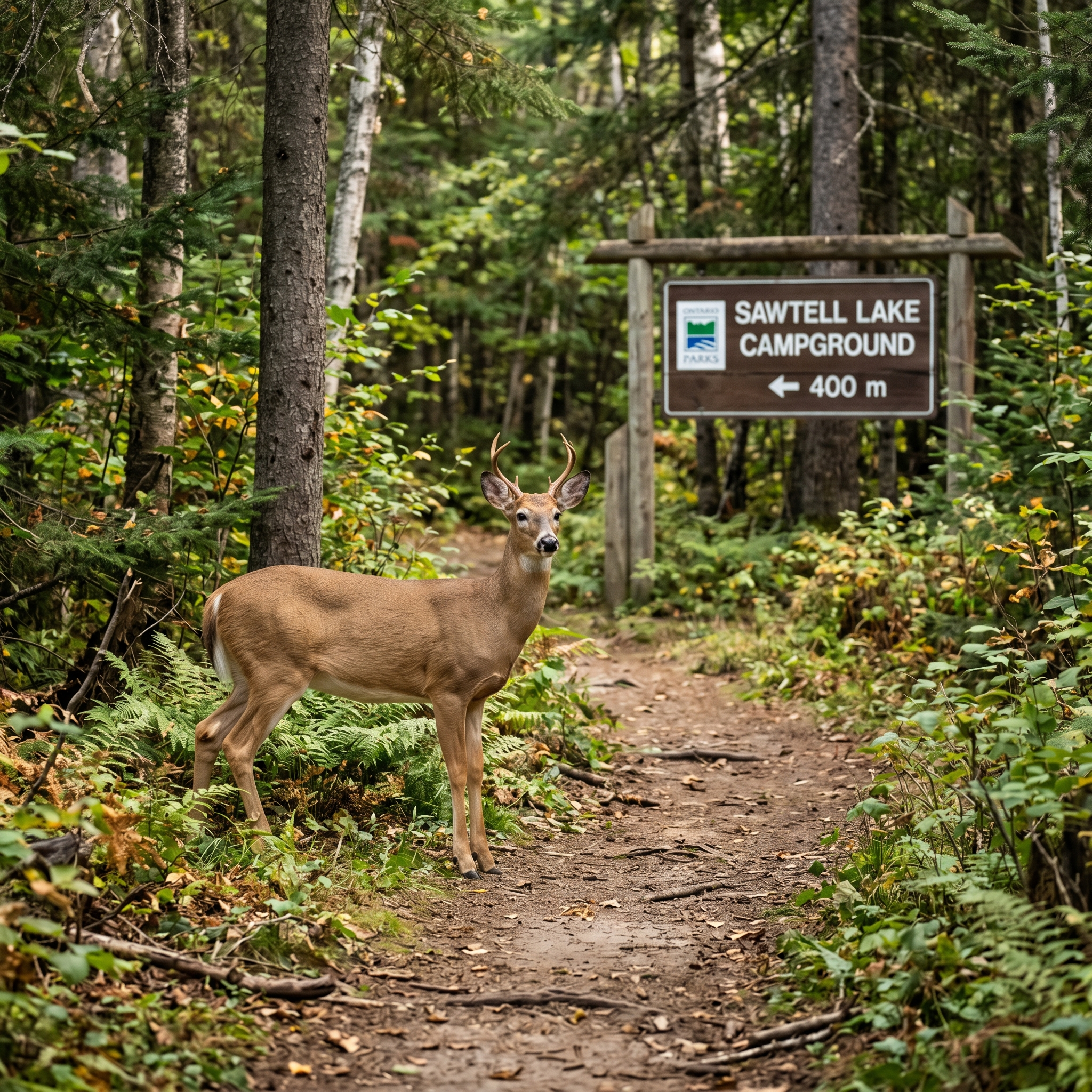
Wildlife belongs in the park. Food, garbage, and pet dishes do not belong scattered around your campsite overnight.
Wildlife Safety Basics
- Never feed wildlife.
- Store food, coolers, and scented items securely.
- Clean dishes and cooking areas after meals.
- Dispose of garbage in designated bins.
- Keep pets leashed where required.
- Give animals space and use a zoom lens instead of your feet.
- Follow bear-safe practices in bear country.
Keeping a clean campsite is not just about looking tidy. It protects wildlife, reduces conflicts, and helps keep campgrounds usable for the next people who roll in.
Step 12: Know What to Do If Your First Choice Is Full
Popular provincial parks fill up. That does not mean the trip is dead. It means you need a better backup strategy.
Change the Timing
Search weekdays instead of weekends, look at shoulder season dates, and watch for cancellations closer to your trip.
Change the Park
Look at smaller parks within a 1–2 hour radius. Some of the best camping trips happen away from the famous names.
Change the Site Type
If your setup can handle it, try unserviced sites or less popular loops.
Use a Backup Campground
A nearby private campground can save the trip when the provincial park system is picked clean.
Provincial Park Camping Decision Checklist
Before booking, run through this checklist. It will save you from most of the common mistakes.
- Does the park match your camping style?
- Is the site long enough for your RV or trailer?
- Do you understand the hookup situation?
- Are pets allowed where you plan to camp and explore?
- Are campfires currently allowed?
- Is there potable water or do you need to bring your own?
- Is there a dump station if you need one?
- Are the roads suitable for your rig?
- Do you have a backup park or campground?
- Have you checked cancellation rules?
Common Provincial Park Camping Mistakes
Booking the Park Before Understanding the Site
The park might be perfect, but the site might be wrong for your setup. Always check the individual campsite details.
Assuming All Parks Have the Same Rules
They do not. Each province has its own system, and individual parks may have additional rules.
Forgetting About Fire Bans
A fire ring does not guarantee a campfire. Always check current restrictions.
Bringing Too Much Gear and Not Enough Useful Gear
Camping does not need to look like a showroom exploded. Focus on shelter, food, water, power, safety, weather, and comfort first.
Where to Go Next
If you are planning your first or next provincial park camping trip, start with the practical pieces first. Use the Campground Picker, build your packing list with the Camping Checklist Generator, check your route with the Weather & Travel Conditions tool, and keep the Campspot brand page handy for private campground backups.
FAQ: Planning a Camping Trip to Provincial Parks
How do I plan a camping trip to a provincial park?
Start by choosing your province, dates, camping style, and required campsite features. Then compare parks by distance, amenities, campsite type, reservation availability, pet rules, fire rules, activities, and weather. Book through the official provincial park reservation system whenever possible.
When should I book my campsite in a provincial park?
Book as early as the official reservation system allows, especially for popular parks, summer weekends, long weekends, and serviced RV sites. Some provinces use rolling booking windows, while others use seasonal launch dates, so check the official reservation rules for your destination.
What are the best provincial parks for camping?
The best provincial park depends on your trip style. Families may prefer parks with beaches, playgrounds, and washrooms. RVers should prioritize site length, access roads, hookups, and dump stations. Hikers may want trail access, while quiet campers may prefer smaller parks or shoulder-season dates.
Can I bring my dog camping in provincial parks?
Many provincial parks allow dogs in campgrounds, but rules vary. Pets may need to be leashed, restricted from beaches or buildings, and never left unattended. Always check the specific park’s pet rules before booking.
Can I have a campfire in a provincial park?
Campfires depend on park rules and current fire restrictions. Even if your campsite has a fire ring, fire bans may prohibit wood fires during dry or high-risk conditions. Always check current fire bans before leaving and again before lighting any fire.
What should I bring camping in a provincial park?
Bring your reservation confirmation, weather-appropriate clothing, food, water, cooking gear, lighting, first aid supplies, garbage bags, campsite tools, and RV-specific items if needed. RVers should also pack leveling gear, hoses, adapters, surge protection, sewer supplies, and basic repair items.
Are provincial parks good for beginner campers?
Yes, many provincial parks are excellent for beginner campers because they offer designated campsites, clear rules, washrooms, trails, staff presence, and maintained facilities. Beginners should choose parks with easy road access, nearby services, and campsites that match their comfort level.
Can I camp year-round in provincial parks?
Some provincial parks offer year-round camping or winter camping, but many operate seasonally. Winter camping usually requires more preparation, different gear, and careful attention to services, road access, and weather conditions.
Do provincial parks have RV hookups?
Some provincial parks have electrical or serviced RV sites, while others are mostly unserviced. Always check the campsite details before booking, including amperage, site length, water access, sewer availability, dump stations, and generator rules.
What if the provincial park I want is fully booked?
Try searching midweek dates, shoulder-season dates, nearby smaller parks, unserviced sites, or cancellations. You can also use a private campground nearby as a backup if the provincial park is full.
External Planning Sources
Provincial park rules and reservation systems can change, so always verify details with official sources before booking or traveling.


Leave a Reply