

Affiliate Disclosure: I earn commissions if you shop through the links below at no additional cost to you.
Last Updated on March 3, 2026 by Jeremy
Living in an RV feels like freedom until the first time you do the math at a fuel pump. The lifestyle can be simple, but it’s not magically cheap, and most of us eventually ask the same question: how do you actually make money while RVing without turning the whole trip into a stressful hustle?
The good news is you’ve got options. The better news is you don’t need to chase every option. The trick is picking income that matches how you travel, how stable your internet is, and how much “work brain” you want to carry with you.
This guide breaks down realistic jobs you can do while RVing, with the pros, the gotchas, and a quick decision framework so you can choose something that fits your version of life on the road.
TL;DR
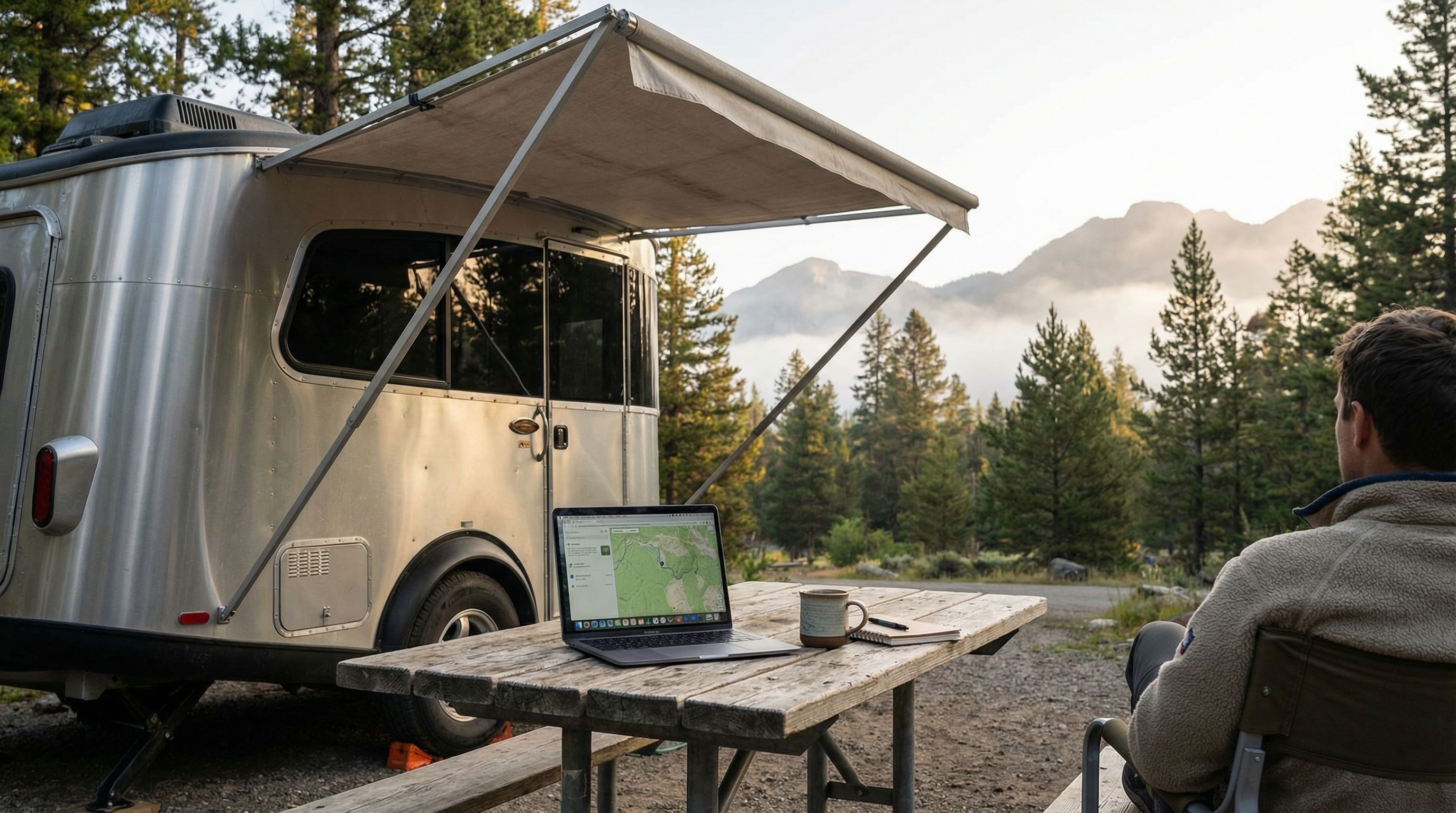
- If you move often, you’ll do best with location-independent work (remote job, freelancing, online business).
- If you stay put for weeks or months, local and seasonal jobs can be surprisingly steady.
- Delivery and rideshare can work, but they’re market-dependent and not a “money anywhere” solution.
- Choose jobs based on travel pace, internet reliability, and how predictable you need your income to be.
Start here: the two income paths that actually matter
Most RV income ideas fall into one of two buckets. Once you know which bucket you’re in, the choices get a lot clearer.
1) Location-based income
This is work you do because you’re physically in a place. Think local part-time jobs, seasonal gigs, campground hosting, or guiding. It can be great money with low barrier to entry, but it usually depends on staying in one area long enough to make it worth your time.
2) Location-independent income
This is work you can do from almost anywhere as long as you’ve got power and internet. Remote employment, freelancing, and online business models live here. It’s a better fit if you like moving frequently or you’re traveling through areas where local work options are thin.
Real talk: your travel style picks your job more than your job picks your travel style. If you try to force it the other way around, you’ll feel it fast.
Local and seasonal jobs while RVing
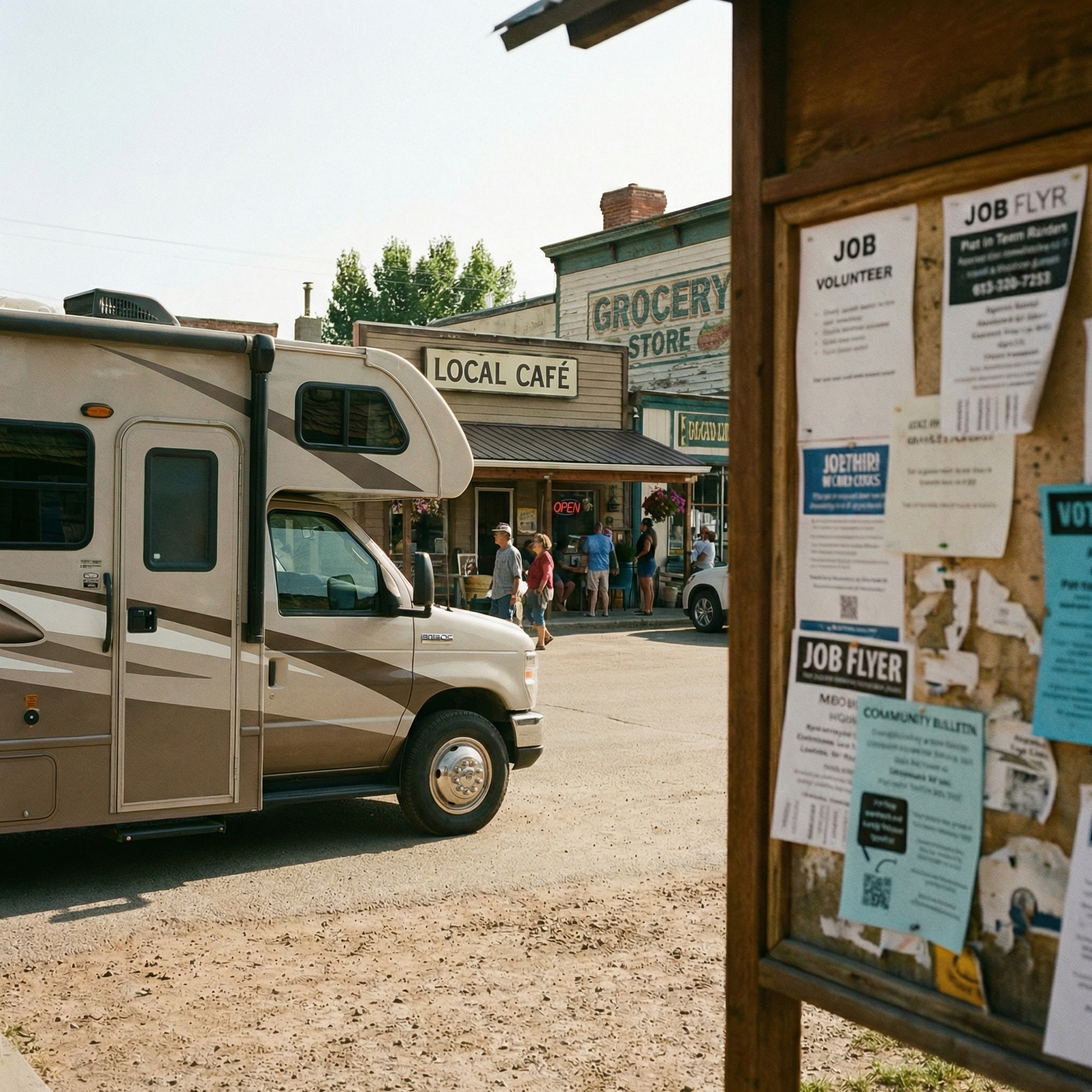
If you’re the type who parks for a while, local work can be the easiest way to stay funded. Small towns, tourist areas, and seasonal hubs often need help, and a lot of those roles don’t require a fancy resume.
Where to look
- Local Facebook groups (community pages, “jobs in…” groups, and buy/sell groups)
- Tourism-heavy towns (restaurants, retail, marinas, event staff)
- Bulletin boards at grocery stores, laundromats, and community centers
- Short-term staffing agencies in larger towns
If you only plan to stay a week, skip local jobs and focus on remote or gig work. The onboarding time alone will eat your “profit.”
Delivery and rideshare: good in the right place, frustrating in the wrong one
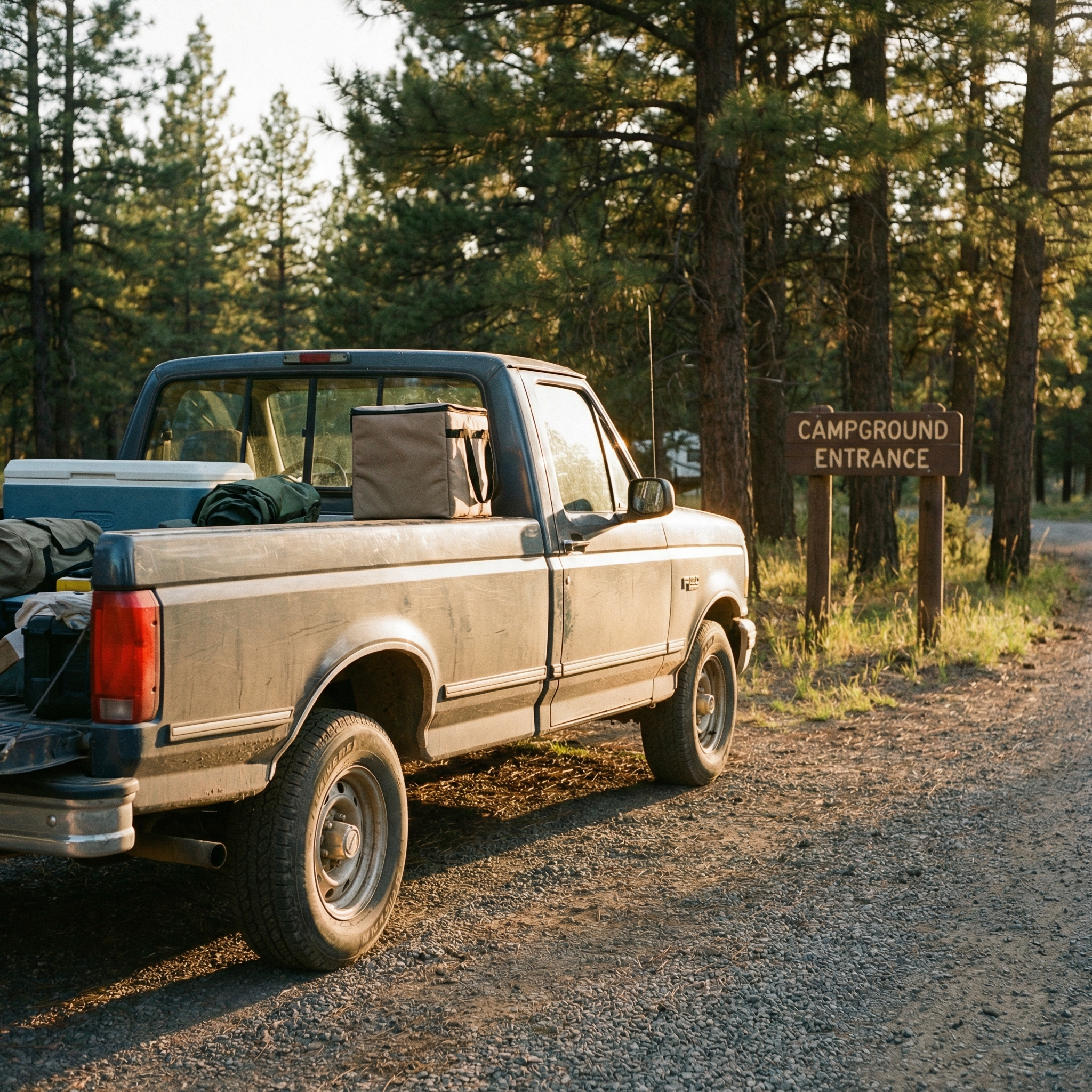
Delivery and rideshare sound perfect on paper: flexible hours, quick payout, work when you want. In practice, it depends heavily on where you are and what the market is like that week.
When it works best
- You’re near a mid-size or large city with consistent demand
- You’re stationary for at least several days
- You’re okay with variable earnings (some days are great, some are not)
Common RV-specific “gotchas”
- Rural areas can be a dead zone for orders and rides
- Campground locations can add long drive times with low payout
- Wear-and-tear adds up fast if you’re already driving a lot
- Insurance and local regulations can vary by region
If you’re trying to keep your travel costs low, watch “invisible expenses” like extra fuel, maintenance, and tires. Gig work can quietly turn into a vehicle-budget problem.
Remote work and freelancing: the most reliable long-term option for many RVers
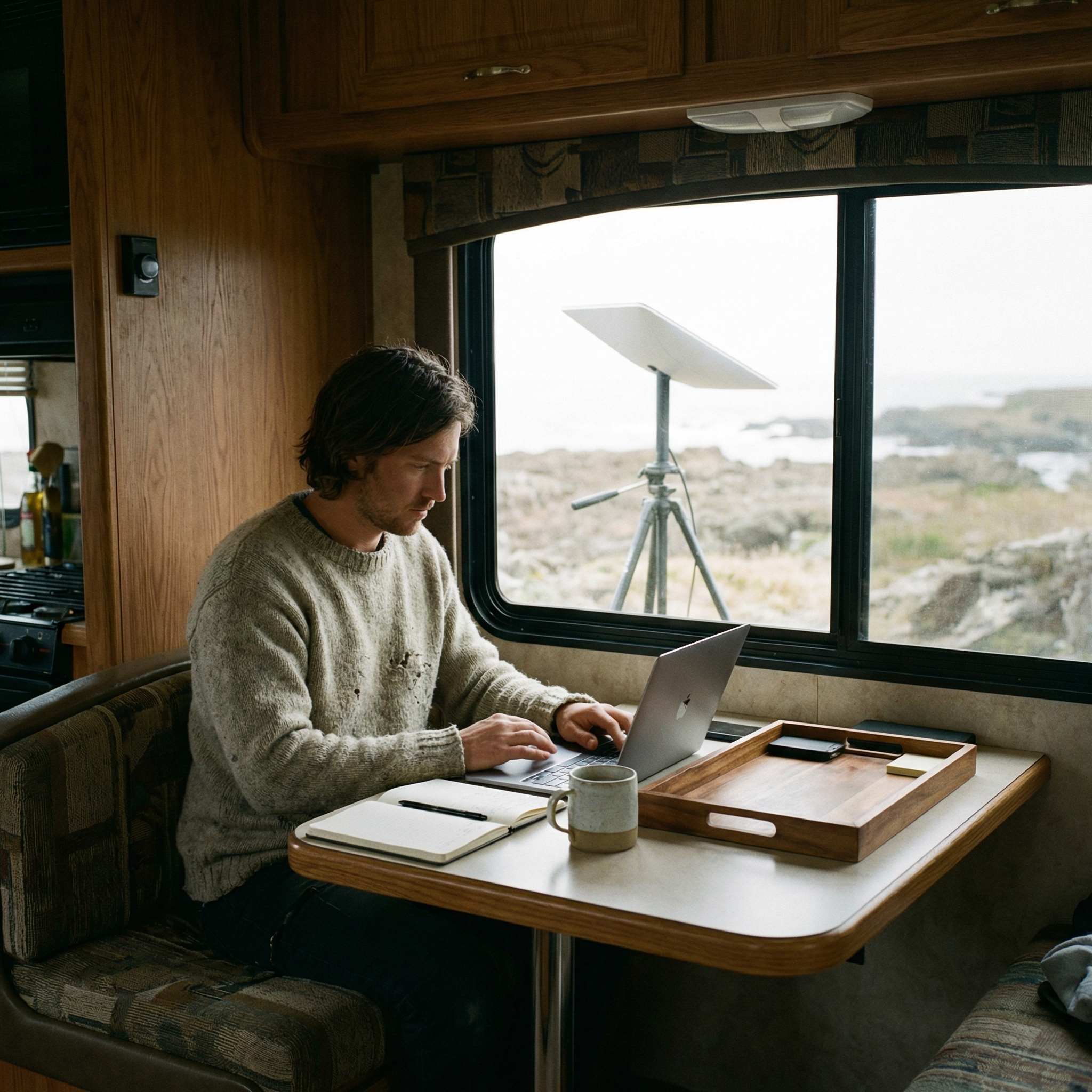
If you want income that doesn’t care what state or province you’re in, remote work is usually the cleanest path. It’s also the option that tends to scale best over time once you’re established.
Remote employment (a regular job, just not in an office)
This is the “steady paycheck” route. The trade-off is you’ll need reliable internet and a schedule you can actually stick to, even when the weather is perfect and your brain wants to go hiking.
Freelancing (skills-for-pay)
Writing, editing, graphic design, bookkeeping, web work, social media management, customer support, and virtual assistant roles can all be done from an RV. Freelancing gives you flexibility, but you’re responsible for finding clients and keeping a pipeline.
If your internet is sketchy, build your work style around offline blocks (writing drafts, editing, design work) and reserve “internet time” for uploads, meetings, and sending deliverables.
Work camping and campground hosting
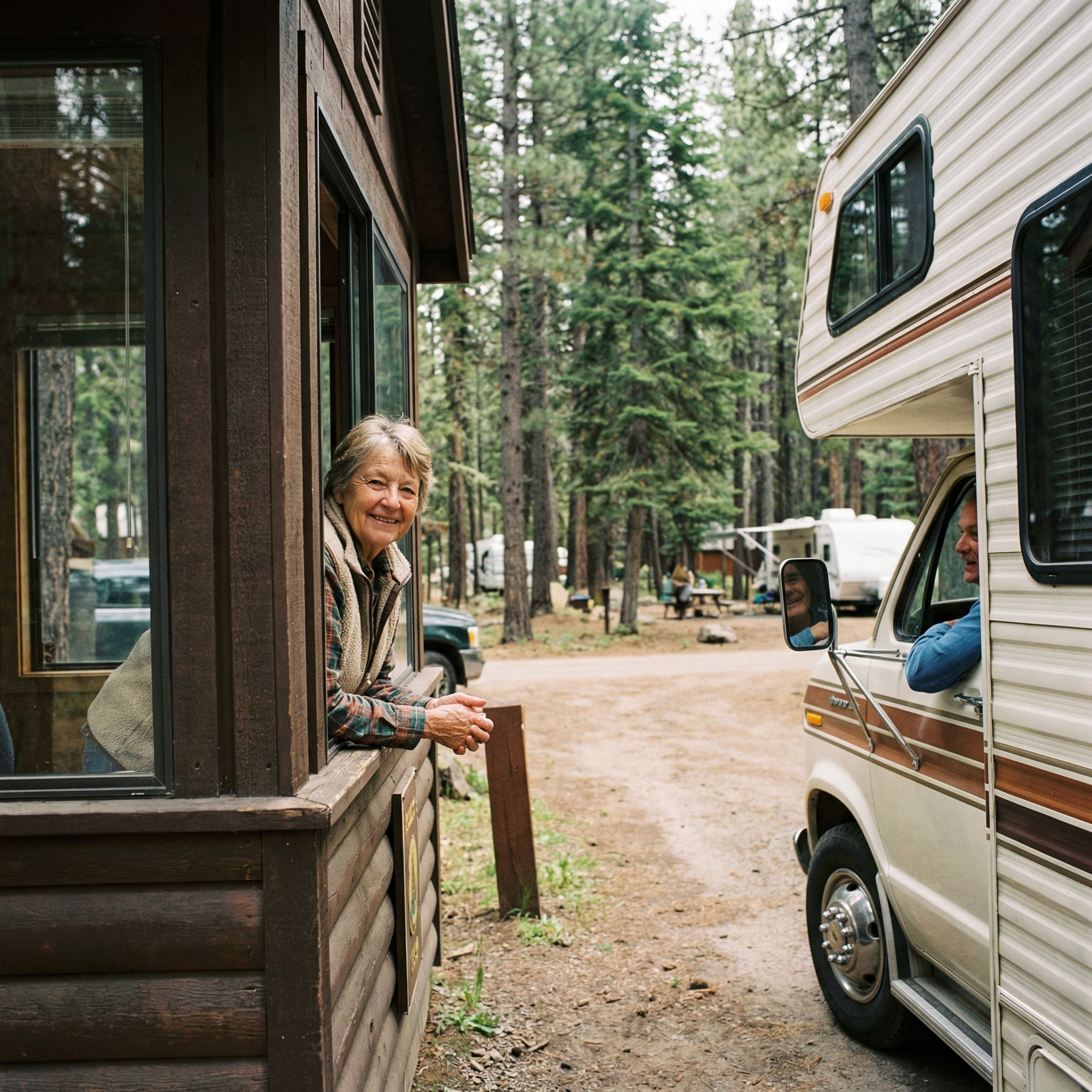
Work camping and campground hosting are popular because they naturally fit RV life. In many cases you trade hours for a site, utilities, and sometimes a stipend. The real value is that your biggest living expense gets reduced or removed.
What the job can include
- Checking in campers and answering questions
- Light maintenance, site checks, or cleaning duties
- Helping with reservations or basic admin
- Being the “go-to” person when staff isn’t around
If you’re considering it, this guide goes deeper on what it looks like in real life: What Is Work Camping?
These positions can be competitive. If you want a good site and a good role, you often need to apply months ahead for the next season.
Outdoor guiding and skill-based side income
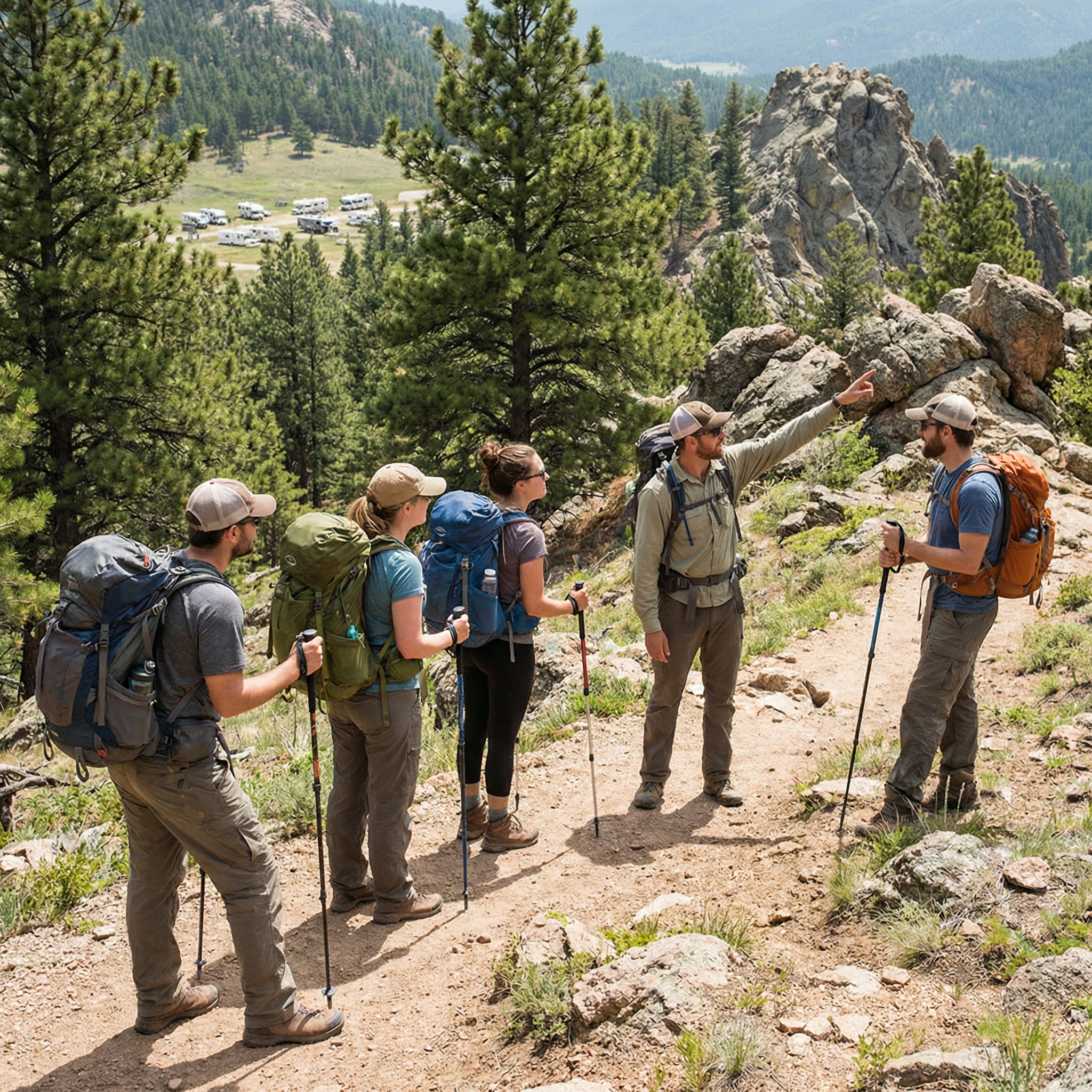
If you’ve got a legit skill that people pay for, this can be a fun side lane. Guiding, lessons, and outdoor skills can work well near tourist areas, especially if you’re already spending time there anyway.
Examples that can fit RV travel
- Guided hikes or local tours (where legal/approved)
- Fishing or paddling instruction with local partners
- Photography sessions in scenic areas
- Equipment setup help (bikes, kayaks, campsite systems) for other travelers
Make sure you’re operating legally and safely. Some areas require permits, insurance, or working with an authorized outfitter.
Quick decision guide
If you’re stuck in research mode, use this to pick your next move without overthinking it.
- If you move weekly: Focus on remote employment, freelancing, or online work that isn’t tied to one location.
- If you stay 1–3 months: Consider local jobs, seasonal work, campground hosting, or a mix of freelance + local.
- If your internet is unreliable: Choose offline-friendly work (writing, editing, design) and minimize live calls.
- If you need predictable income: Remote employment usually beats gig apps and seasonal work for stability.
- If you want the simplest start: A part-time local job while parked can fund the transition into remote work.
- If you already have a skill: Freelancing is often the fastest way to turn that skill into RV-friendly income.
The “best” RV job is the one that doesn’t make you resent the road. Consistency beats intensity out here.
If you want a curated place to find legitimate remote and flexible job listings (without digging through the sketchy stuff), start here: FlexJobs.
Sources and further reading
- U.S. Bureau of Labor Statistics: Occupational Outlook Handbook (research pay ranges and job growth)
- Wealthy Affiliate (platform overview for learning affiliate marketing and building websites)
Tip: When researching any “work from anywhere” idea, cross-check pay claims against neutral sources and be skeptical of anything that promises fast money with no skill.
FAQ
What is the best job for full-time RVers?
The best job is the one that matches your travel pace and income needs. If you move often, remote work or freelancing usually fits best. If you stay put for months, seasonal and local jobs can be a strong option.
Can you really do remote work while traveling in an RV?
Yes, as long as you plan around power and internet. Many RVers use a mix of campground Wi-Fi, cellular data, and backup options. The key is choosing work that doesn’t require perfect connectivity 24/7.
Are delivery and rideshare apps reliable income while RVing?
They can be reliable in the right markets, but they’re not consistent everywhere. Earnings depend on demand, location, and your operating costs like fuel and maintenance.
How long does it take to make money with online business models?
It varies. Some people earn quickly with freelancing because they’re selling a skill. Other models like affiliate marketing and content creation usually take longer because you’re building an audience and traffic over time.
What’s the easiest way to start earning while RVing?
If you need income fast and you’re staying put, a local part-time job is often the quickest start. If you already have a marketable skill, freelancing can also be a fast path once you land a few clients.




.jpg/:/cr=t:5.56%25,l:0%25,w:100%25,h:88.89%25/rs=w:1240,h:620,cg:true)



Leave a Reply