
Affiliate Disclosure: I earn commissions if you shop through the links below at no additional cost to you.
Last Updated on December 21, 2025 by Jeremy
Living off the grid in Canada isn’t a trend. It’s a trade. You’re swapping convenience for control, and comfort-for-free for comfort-you-built. Done well, it’s one of the most satisfying ways to live. Done fast, it can become an expensive course in “I didn’t know that mattered.”
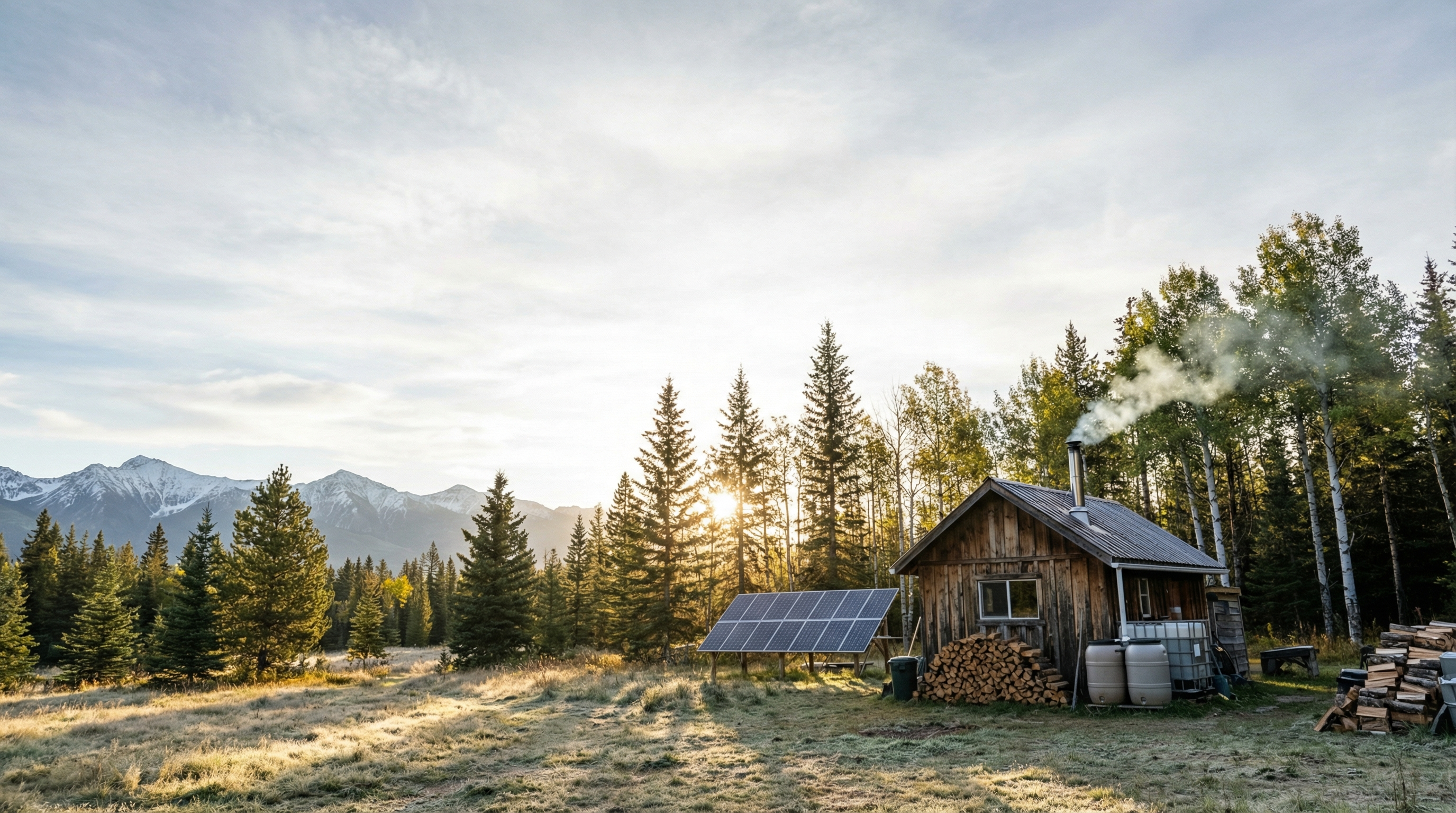
- You generate your own power (solar, wind, generator backup, or hybrid).
- You source your own water (well, hauled water, or rainwater catchment with treatment).
- You manage waste responsibly (septic, permitted systems, composting toilets, or approved alternatives).
- You plan for winter, access, and repairs without assuming help shows up fast.
Start with the honest question: why are you doing this?
A lot of off-grid plans fail for reasons that have nothing to do with gear. The issue is usually expectations. People chase “simple” and forget that simple often means more manual work, not less. People chase “freedom” and forget freedom comes with systems you must maintain.
If you want an off-grid life that lasts, your goal isn’t to be heroic. It’s to be steady. Predictable power. Predictable water. Predictable heat. Predictable backups. When your basics are boring, your life gets easier.
AEO answer: The best off-grid setup is the one you can legally occupy, realistically maintain through winter, and afford to repair.
Land and location: access beats aesthetics
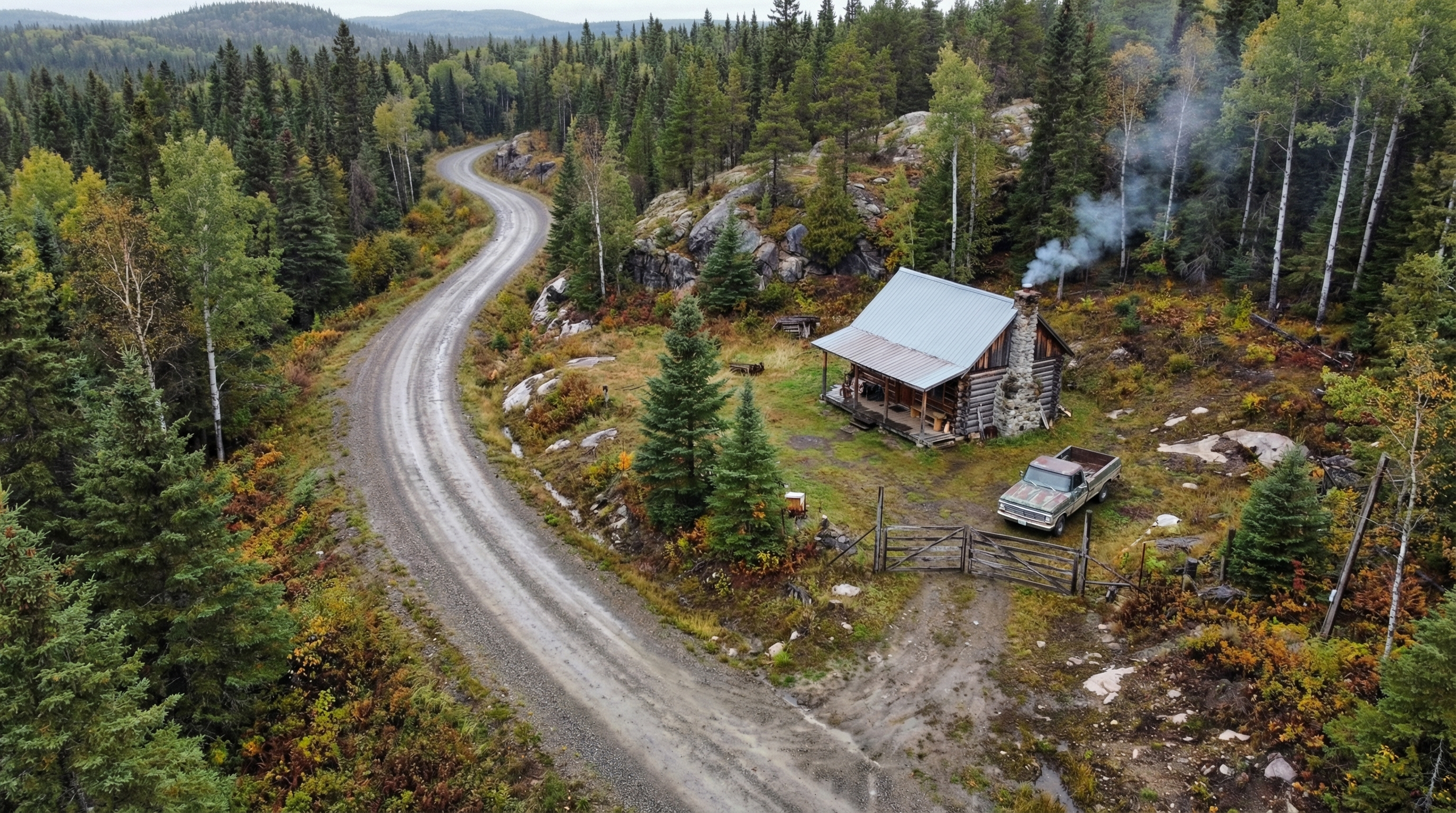
Canada is massive. “Off-grid” in one region can be comfortable and manageable. In another, the same plan can become a constant fight with cold, snow load, road access, and supply runs. Before you fall in love with the view, confirm what the property asks from you every week of the year.
Access and logistics
- Year-round road access: Who maintains the road? Who plows? What happens after freeze-thaw cycles?
- Deliveries and equipment: Can a tilt-deck, crane, or septic crew reach your site?
- Emergency reality: How far to medical care, towing, fuel, and hardware supplies?
Sun, wind, and site layout
- Solar exposure: Trees, valley walls, and roof pitch can make or break production.
- Wind exposure: Wind can be useful for power, but it can also punish structures if you site poorly.
- Snow and drainage: Water always wins. Plan runoff, melt, and grading early.
Rules that can stop a build cold
Zoning, minimum dwelling rules, sewage/wastewater requirements, and occupancy rules vary widely. You do not want to discover the hard way that your “temporary cabin” can’t be occupied, insured, or legally connected to a compliant waste system.
Power: build for winter and build for failure
Solar is the backbone for many off-grid setups, but winter is the stress test. Short days, snow cover, cold batteries, and increased heating loads change the math. You don’t need an overbuilt system, but you do need an honest one.
Step 1: list your loads like you mean it
Start by listing what must work every day (lights, fridge, water pump, communications) and what can be scheduled (power tools, laundry, charging). Off-grid power becomes manageable when you treat electricity like a budget, not a wish.
- Critical loads: fridge/freezer, water pump, lighting, internet/communications, basic device charging.
- Seasonal loads: heat fans, pipe heat tape, additional lighting, longer indoor time.
- Optional loads: high-watt cooking devices, large shop tools, electric space heaters (often unrealistic off-grid).
Step 2: size battery storage first
Panels are great, but batteries are what gets you through cloudy stretches and short winter days. A common planning approach is to size storage for multiple days of essential use, then size generation to refill consistently.
Step 3: plan a backup that is actually usable
A backup doesn’t have to be fancy. It has to start, run, and integrate with your life. Many off-grid households keep a generator as a “get-through-winter” tool, especially when solar production drops or snow stacks up.
If you want a simple hub that compares solar brands and includes a calculator, this page is built for that: Solar Power (brands + solar calculator).
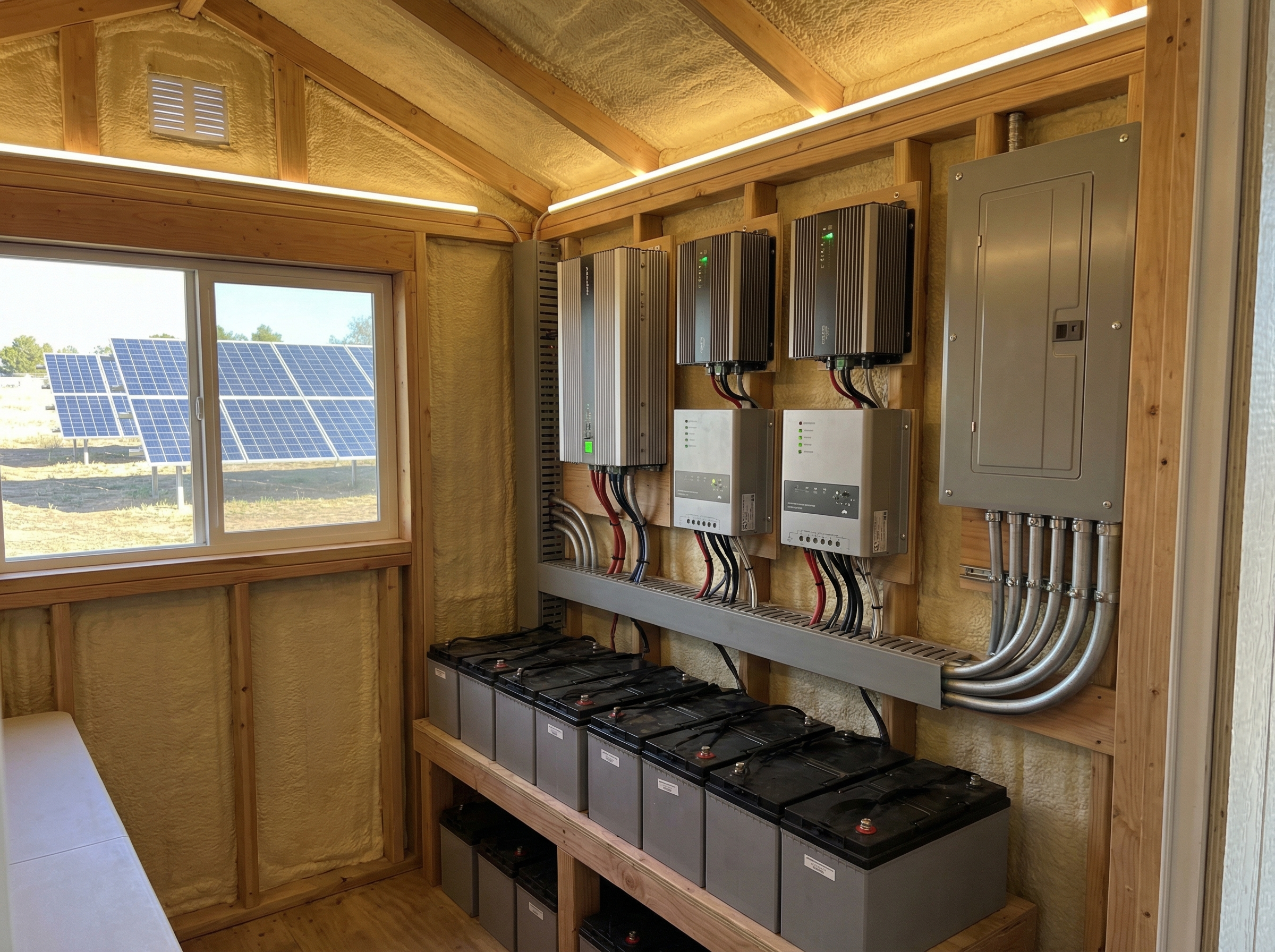
Practical note: electrical rules and inspection requirements vary. If your build will be inspected or insured, plan your electrical work accordingly.
Water: safe drinking water is a system, not a vibe
Water is where off-grid gets real fast. Whether you use a well, hauled water, or rainwater catchment, you want a plan for treatment, testing, and winter reliability. “Clear water” and “safe water” are not the same thing.
Well water
A well can be the most convenient long-term option, but it’s still a system. You’ll need pump power, freeze protection, periodic testing, and a backup plan for equipment failure.
Rainwater catchment
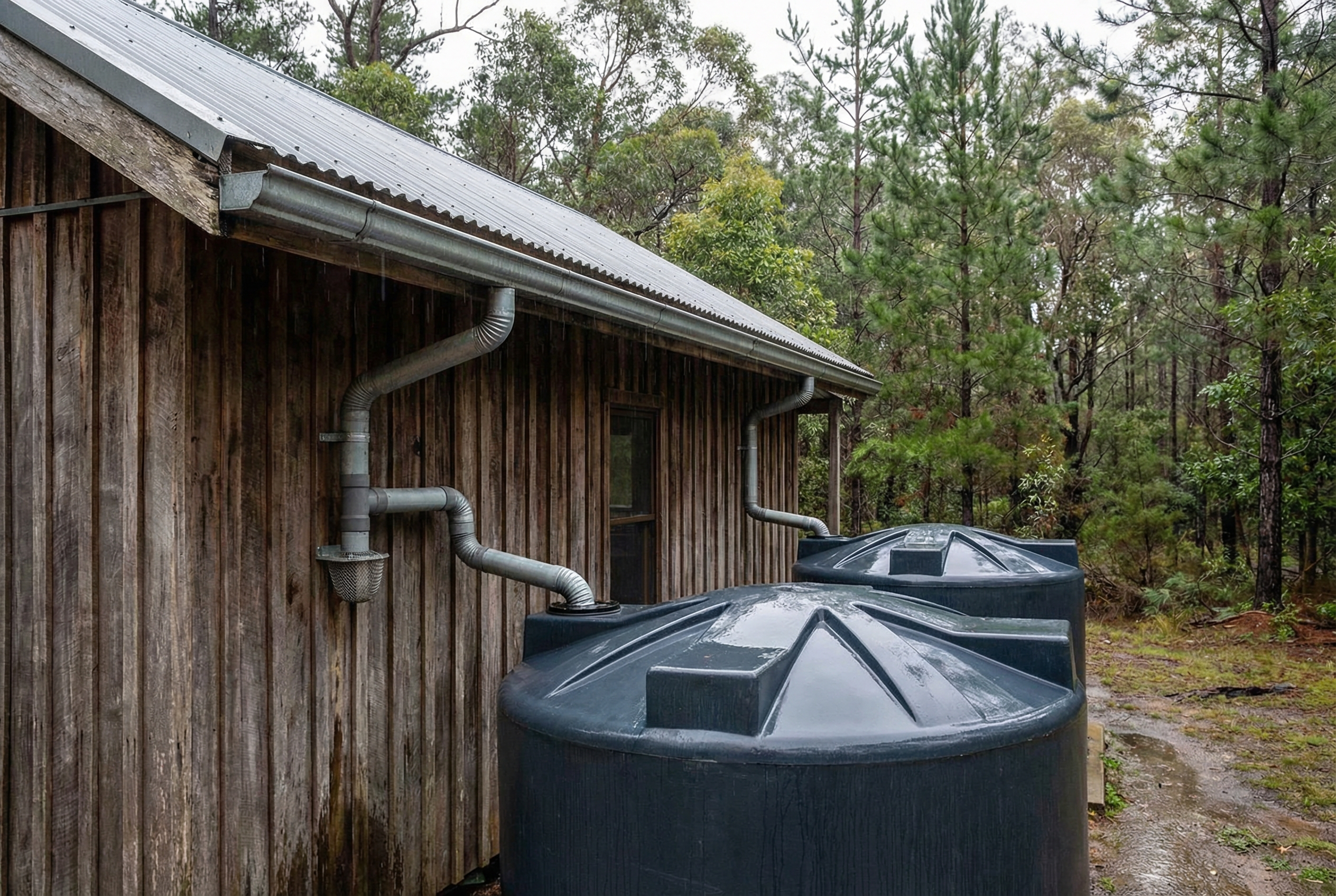
Rainwater can work, but it should be treated as surface water. That usually means a multi-step approach: keep debris out, filter properly, then disinfect. Your exact setup should match your local risk and local requirements.
Hauled water
Hauled water can be practical if you’re close to a reliable source and you have good storage. Winter is the deciding factor. If roads are questionable, you need more storage and better contingency planning.
Waste and sanitation: plan it legally and practically
Waste management is where a lot of off-grid plans get stuck. Septic systems, composting toilets, greywater handling, and alternative systems are all governed by local rules. If you want a legal occupancy path, plan this before you build.
Septic systems
Septic is often the most straightforward route for long-term compliance, but it requires proper siting and installation. Soil, groundwater, and setbacks can limit what’s allowed.
Composting toilets
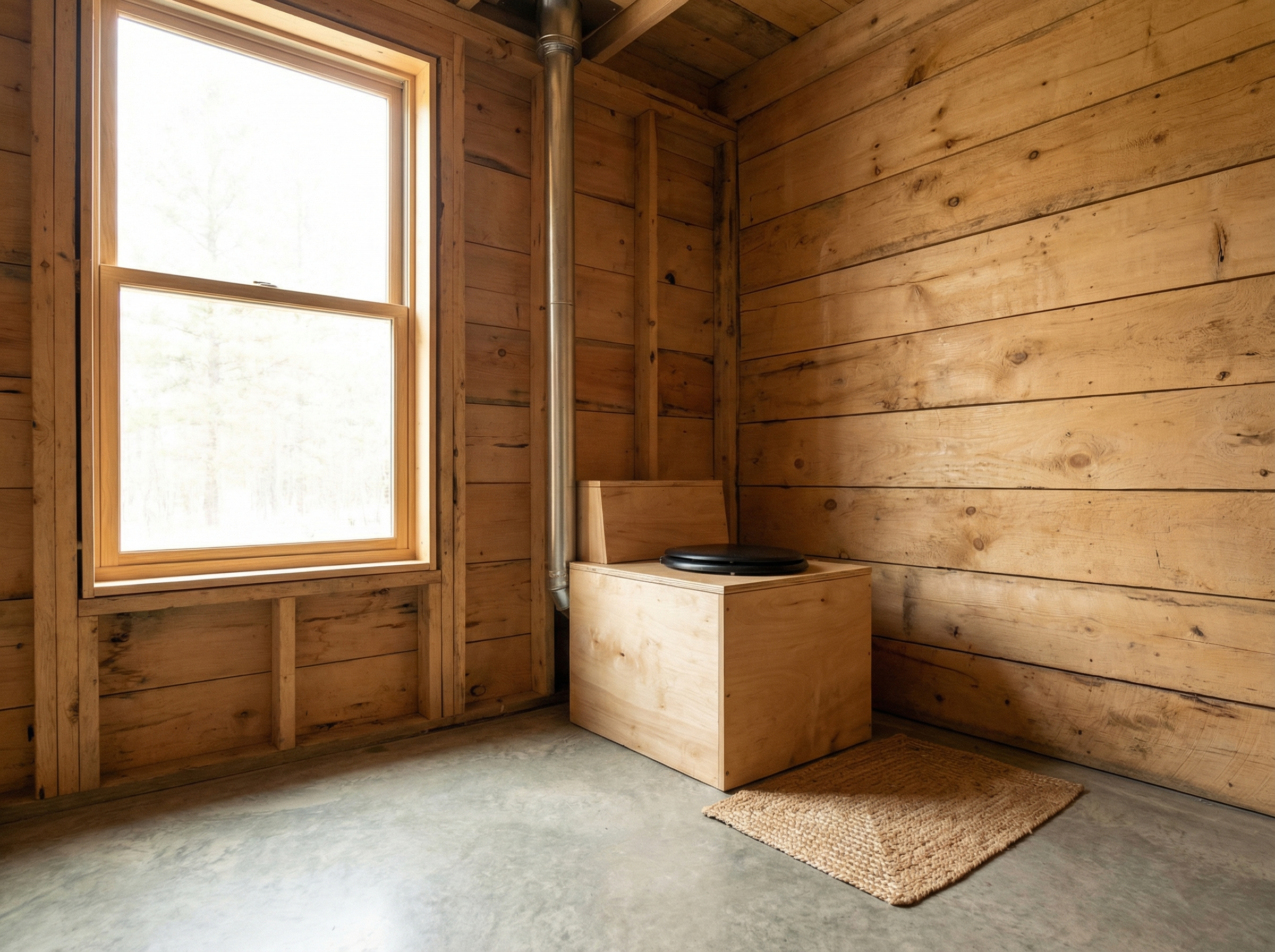
Composting toilets can be a great fit for remote properties, seasonal cabins, and low-water living. However, you still need a legal plan for liquids, residuals, and greywater. The toilet alone does not solve the entire wastewater picture.
Greywater
Greywater seems simple until winter hits. Freezing, clogging, and runoff become real issues fast. If you plan greywater handling, plan it as a system designed for your climate.
Heat: assume the power will be off and the road will be bad
Canadian winters do not negotiate. Reliable heat is the difference between “rustic” and “unsafe.” Your heating plan should work even when your power system is stressed and supplies are delayed.
Wood heat
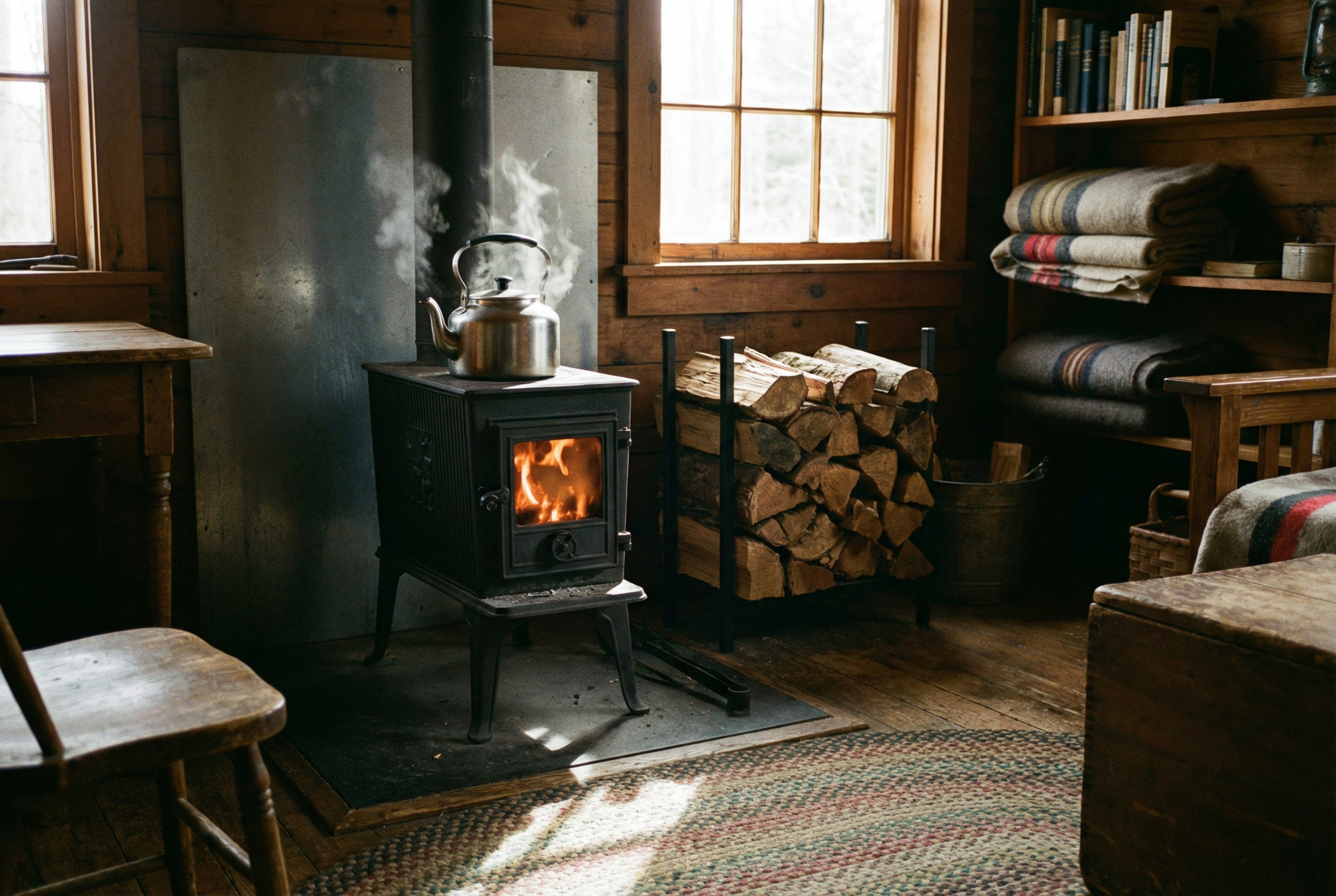
Wood heat is common off-grid for a reason. It can be reliable, repairable, and locally sourced. It also requires dry storage, steady supply, chimney safety, and a realistic plan for days when you’re busy or sick.
Propane and backup heat
Propane is a strong supporting player for cooking, hot water, and backup heating. Your main risk is logistics: refills, regulator issues, and cold-weather performance.
Insulation and air sealing
The cheapest heat is the heat you don’t lose. Tightening a building envelope and improving insulation typically reduces the size and cost of everything else: power, fuel, and maintenance.
Food, tools, and the unglamorous basics
Off-grid success is built on boring fundamentals. Tools you can maintain. Food you can store. Routines you can keep even when life gets messy. The goal is resilience, not perfection.
Tools and maintenance
If you live far from town, maintenance becomes part of life. A few dependable tools (and the ability to keep them running) matter more than a garage full of gadgets.
- Core tools: chainsaw, sharpening gear, hand tools, fasteners, basic electrical and plumbing repair kit.
- Spare parts: filters, belts, fuses, sealants, fittings, common fasteners, and consumables.
- Seasonal gear: snow management tools, traction aids, spare fuel storage (handled safely).
Food planning that fits real life
You do not have to grow everything. You do have to plan for interruptions. That can mean a pantry strategy, a freezer strategy, preserving skills, or a rotating stock of basics you actually eat.
- Storage first: a clean, dry place to store food matters as much as what you buy.
- Rotation: store what you’ll use, then rotate it so nothing becomes expensive garbage.
- Preserving: canning, dehydration, freezing, and fermentation can stretch a season.
Growing food in limited space
Traditional gardens aren’t always realistic, especially with short seasons, poor soil, wildlife pressure, or limited footprint. Vertical growing systems can be a practical way to produce meaningful food without needing a huge plot.
If you want to see how a vertical system is typically used in small-space and off-grid setups, start here: Garden Tower Project (vertical gardening system) .
Shelter options: cabin, tiny home, or container
Your shelter choice affects everything: heat loss, power needs, water protection, storage, and long-term maintenance. The best shelter is the one you can legally place, realistically heat, and actually maintain year-round.
Cabins and traditional builds
Cabins can be straightforward and repair-friendly, especially if you build with local materials and keep the layout simple. The tradeoff is usually time and labour, plus the need to handle permits and inspections depending on location.
Tiny homes
Tiny homes can offer fast setup and efficient heating, but you still need a legal plan for placement, water, and waste. “Tiny” doesn’t automatically mean “easy,” especially in winter climates.
Shipping containers
Containers can work as storage, workshops, and in some cases as build shells, but they demand moisture control, insulation strategy, and structural planning. If you’re considering container-based options alongside tiny homes, this hub is a solid starting point: Buy Tiny Homes (tiny homes + shipping containers).
Connectivity and income: you can be off-grid without being offline
Plenty of off-grid households still work online or run local services. The trick is building connectivity like a utility: redundancy, reliable power, and realistic expectations.
- Redundancy: if your income depends on internet, have a backup option.
- Power stability: protect your work gear with proper power management and surge protection.
- Work routines: plan your schedule around daylight, weather windows, and maintenance days.
A simple off-grid planning checklist
- Confirm zoning, permits, and occupancy requirements before buying land.
- Decide on water supply and treatment plan that fits your climate.
- Decide on waste and sanitation plan that can be approved locally.
- Size power based on winter reality, not summer optimism.
- Choose heating with backups, not single points of failure.
- Build access and delivery assumptions into your plan.
- Write down your “failure plan” for water, heat, and power, then make it realistic.
Optional resources that can shorten the learning curve
Off-grid living rewards hands-on experience, but it also has a way of making mistakes expensive. If you’d rather reduce guesswork or build confidence faster, these resources can help. None are required, but each solves a common problem people run into.
- Structured off-grid education: If you want a guided learning path that covers planning, systems, and self-sufficiency without stitching everything together yourself, start here: Live The Off-Grid Dream .
- Emergency food and preparedness: Storms, road closures, equipment failures, and missed supply runs happen. Backup food and essentials buy time and reduce stress when things don’t go as planned: My Patriot Supply .
- Small-space food growing: If a traditional garden isn’t realistic, vertical growing can still produce meaningful food in a compact footprint: Garden Tower Project .
Practical reminder: resilience isn’t about owning everything. It’s about having options, backups, and systems you understand how to use.
Final thoughts
Living off the grid in Canada can be deeply rewarding, but it’s not set-it-and-forget-it. The win comes from building systems you can maintain, in a place you can realistically access, under rules you can actually comply with.
If you do that part right, the rest starts to feel less like survival and more like a steady, capable way of living.




.jpg/:/cr=t:5.56%25,l:0%25,w:100%25,h:88.89%25/rs=w:1240,h:620,cg:true)



Leave a Reply