

Affiliate Disclosure: I earn commissions if you shop through the links below at no additional cost to you.
Last Updated on December 21, 2025 by Jeremy
Shipping container grades can feel confusing at first, especially if you’re new to buying or renting containers. However, understanding these grades is essential if you want to avoid surprises and choose a container that actually fits your intended use.
Container grades describe overall condition, structural integrity, and suitability for different applications. Whether you’re storing tools, shipping goods, or planning a container build, knowing what each grade means helps you make a smarter decision.
Premium Grade Shipping Containers
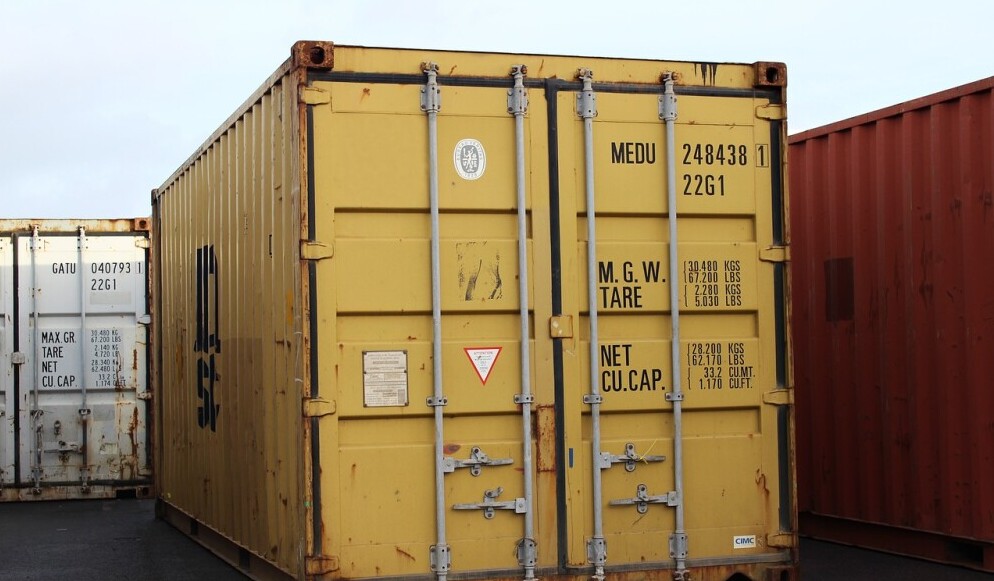
Premium grade containers are typically the highest-quality option available. Many are “one-trip” containers, meaning they were used only once to transport cargo before being sold.
These containers usually show minimal wear, have solid floors, functional doors, intact seals, and little to no structural damage. Because of this, they come at a higher price point.
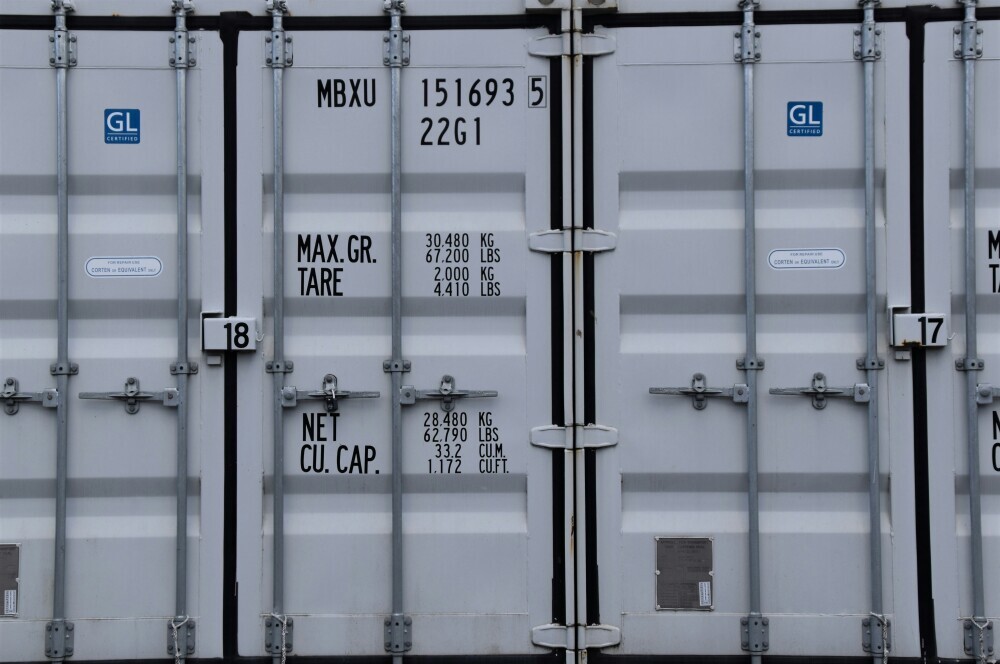
Premium containers are often chosen for:
- Shipping valuable or sensitive goods
- Long-term storage where condition matters
- Container homes, offices, or commercial builds with minimal prep work
If you plan to modify a container, starting with a premium unit can reduce prep time and unexpected repair costs.
Cargo Worthy and Wind & Watertight Containers
Cargo worthy containers are certified as safe for international shipping. While they may show cosmetic wear, their structure remains sound and suitable for transporting goods.

Wind & watertight containers, while not always certified for international cargo, still offer reliable protection from the elements. They are commonly used for storage, local transport, and utility projects.
Choosing between these two usually comes down to usage:
- Cargo worthy: Best for long-distance or international shipping
- Wind & watertight: Ideal for storage, workshops, or local projects
As-Is and Refurbished Containers
As-is containers are the most budget-friendly option, but they also carry the most risk. These units may have visible rust, dents, or wear and often require repairs before use.

Refurbished containers sit between premium and as-is grades. They’ve been repaired, cleaned, and repainted to restore usability, though they may still show signs of previous use.
These grades work well for:
- DIY projects where appearance is secondary
- Workshops and utility spaces
- Buyers comfortable with light repairs or customization
Selecting the Right Container for Your Needs
Choosing the right container isn’t about finding the “best” grade — it’s about finding the right match.
Start by defining your use case. Storage, shipping, and living spaces all place different demands on a container. Budget, access to repairs, and long-term plans should all factor into your decision.
If you’re exploring residential builds, this guide on shipping container home ideas provides helpful context before choosing a grade.

Where to Buy or Rent Shipping Containers
Sourcing containers from a reputable supplier matters just as much as choosing the right grade. Reliable platforms clearly list container condition, size, and delivery expectations.
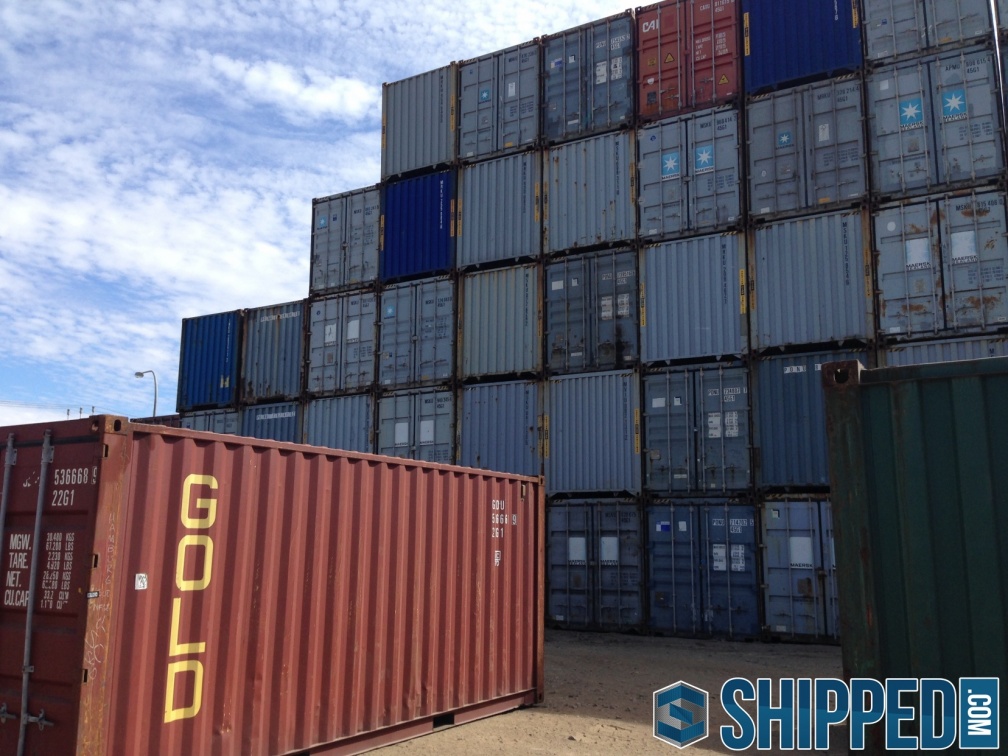
Shipped.com offers multiple container grades, size options, and delivery across North America. Being able to compare grades and understand what you’re buying helps reduce risk and surprises.
Always factor long-term value into your decision. Spending slightly more upfront on a better-grade container can reduce maintenance and repair costs later.
Final Thoughts
Shipping container grades aren’t complicated once you understand what they represent. With the right knowledge, containers can be a practical solution for storage, shipping, or creative builds.
Take time to assess your needs, confirm container condition, and choose a supplier you trust. A well-informed choice upfront saves time, money, and frustration down the road.




.jpg/:/cr=t:5.56%25,l:0%25,w:100%25,h:88.89%25/rs=w:1240,h:620,cg:true)




Leave a Reply