

Last Updated on September 14, 2026 by Jeremy
You’re out there. Trail dust on your boots. Water bottle empty. There’s a stream nearby, but you hesitate.
That hesitation is smart.
The problem isn’t finding water while camping. It’s knowing whether you can trust it.
Giardia, bacteria, parasites, sediment, viruses in some regions… it doesn’t take much to turn a great trip into a rough couple of days.
So what is the best water purifier for camping?
The honest answer: it depends on how you camp. Backpacking deep into the backcountry requires something different than weekend RV camping or international overlanding.
Let’s break this down properly so you don’t just buy something popular. You buy something that fits your reality.
- Most North American campers are well served by a 0.1-micron hollow fiber squeeze filter.
- If viruses are a concern (international travel), consider a true purifier.
- Always carry purification tablets as backup.
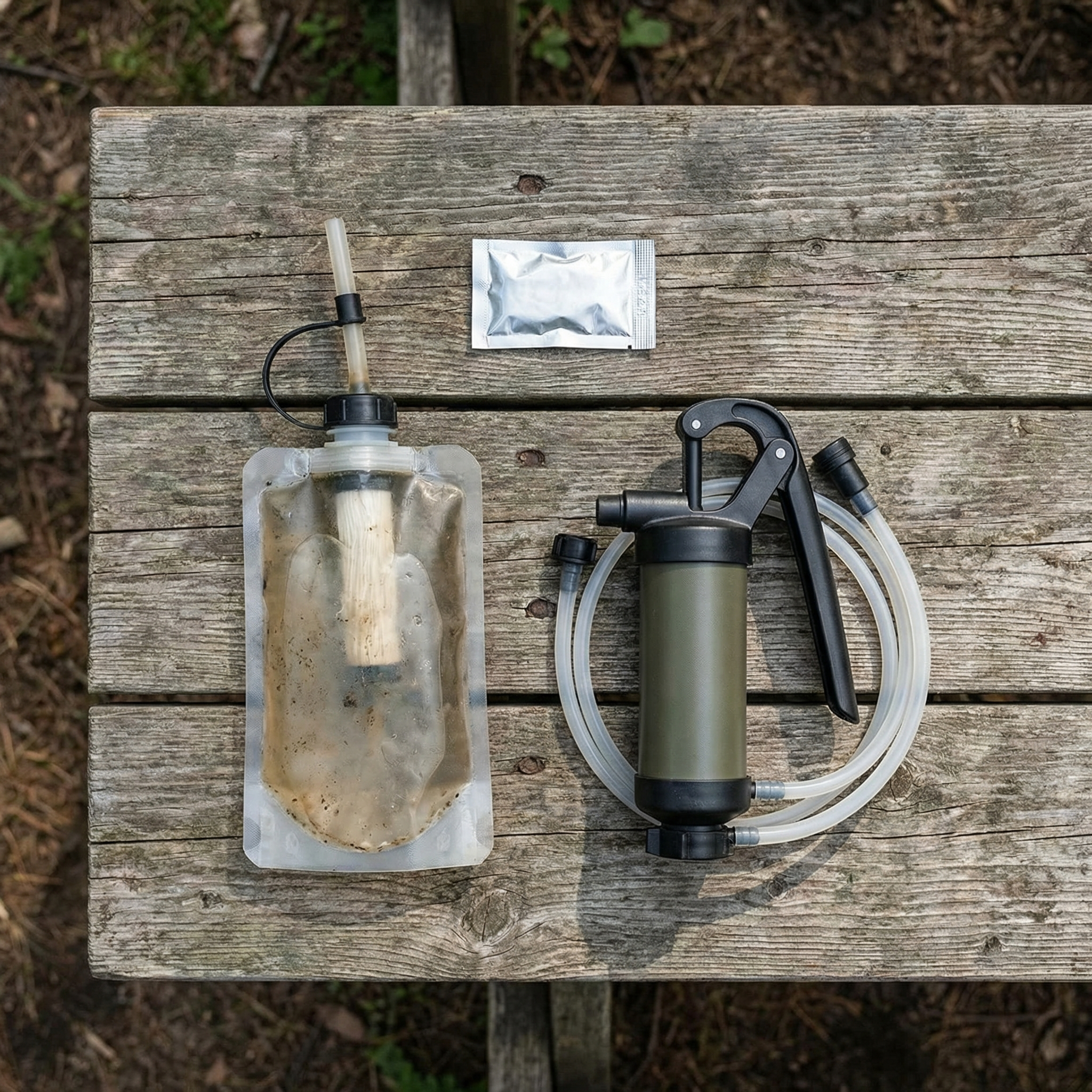
- Protect filters from freezing and pre-filter dirty water to extend lifespan.
Understanding the Difference: Filter vs Purifier vs Tablets
This is where most confusion starts.
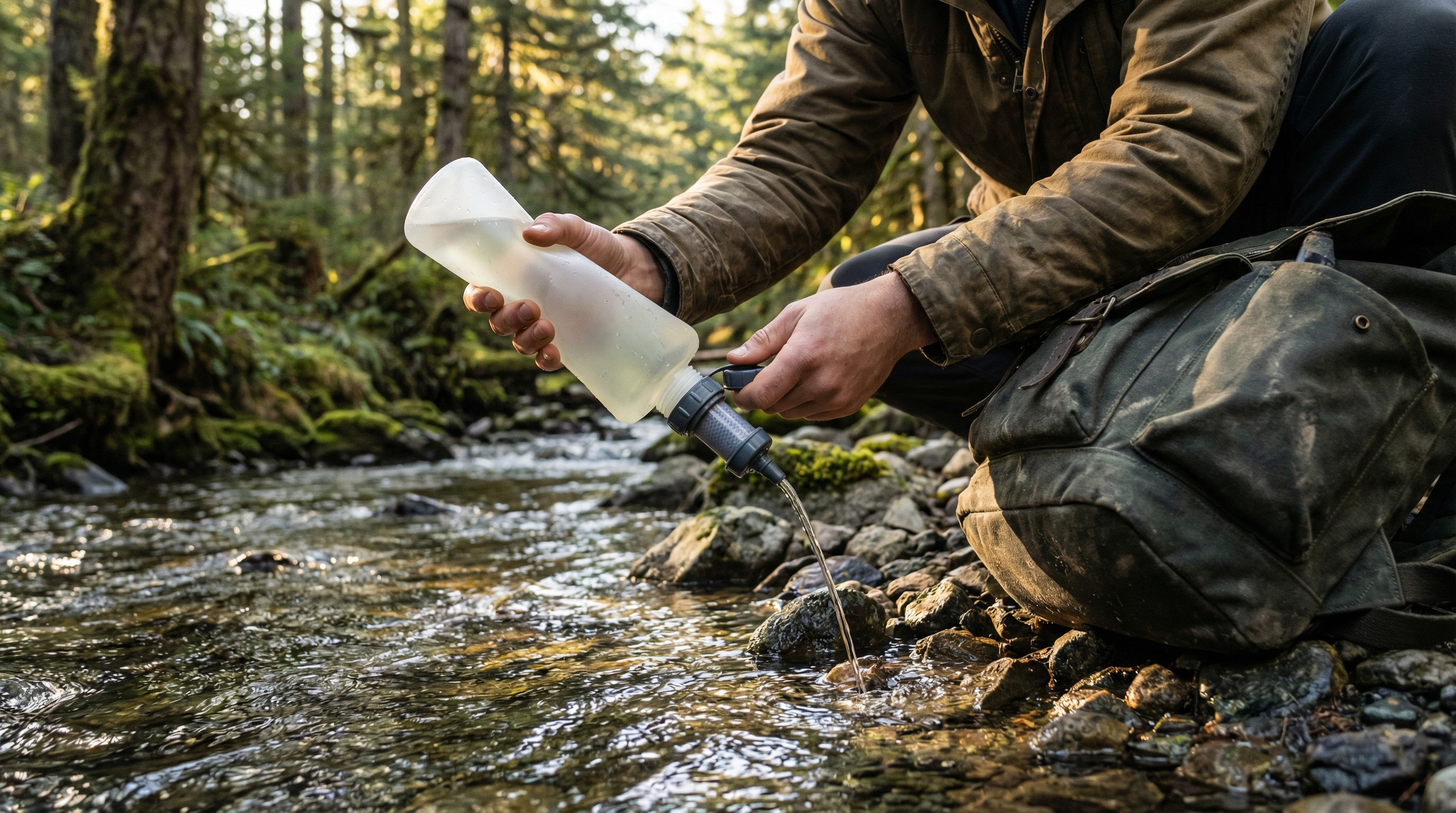
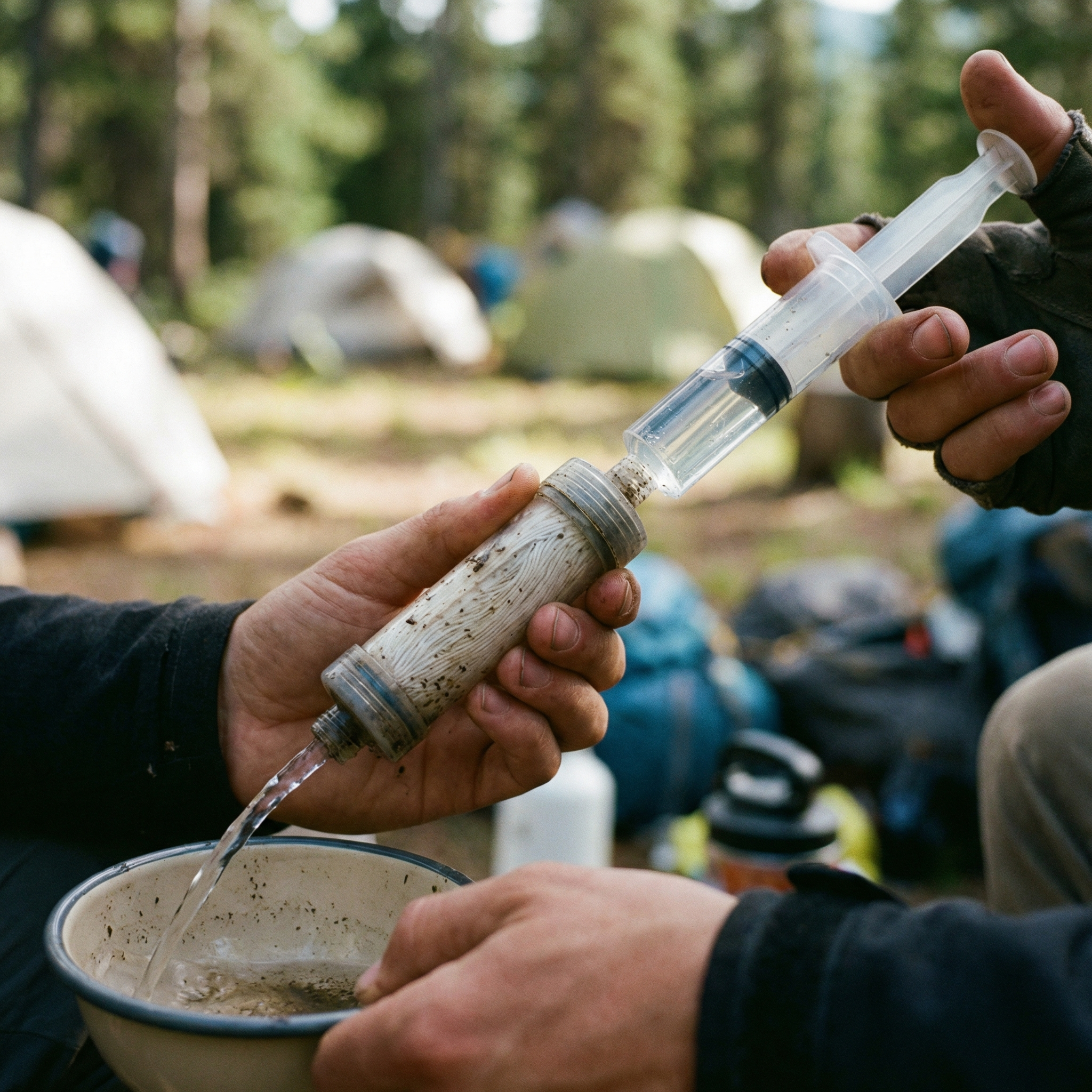
Water filters physically remove bacteria and protozoa using membranes around 0.1–0.2 microns. For most hiking and camping in North America, this is enough.
Water purifiers go further and address viruses. If you’re traveling internationally or sourcing from questionable water systems, that extra protection matters.
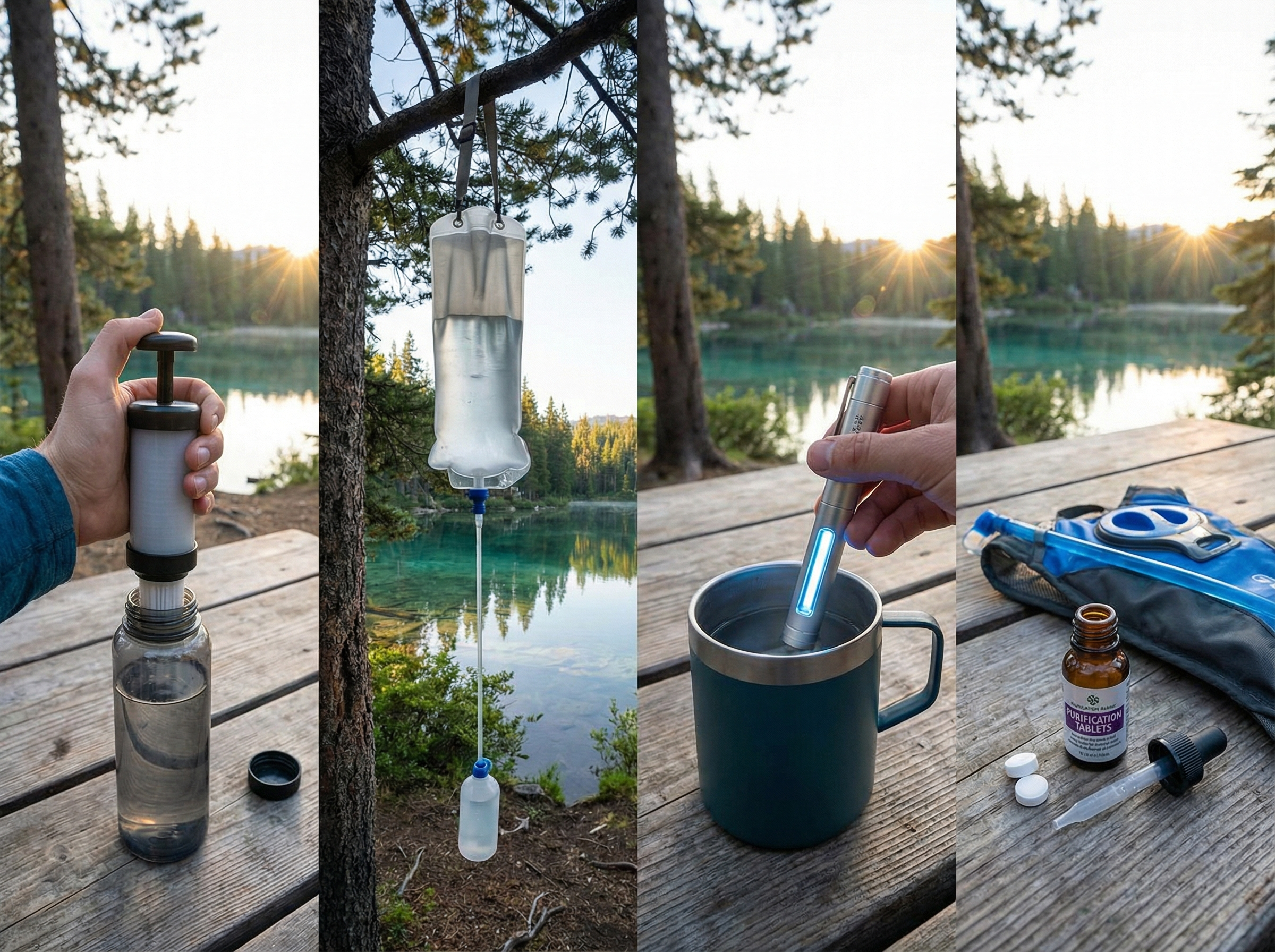
Tablets use chemical treatment. They’re lightweight, compact, and excellent emergency backups.
Key Features That Actually Matter
Micron Rating: Around 0.1 microns is standard for hollow fiber filters. Smaller pore size equals better filtration of bacteria and protozoa.
Flow Rate: Faster flow = less frustration. But clogged filters slow down. Maintenance matters.
Lifespan: Some filters last thousands of liters. Others require frequent replacement.
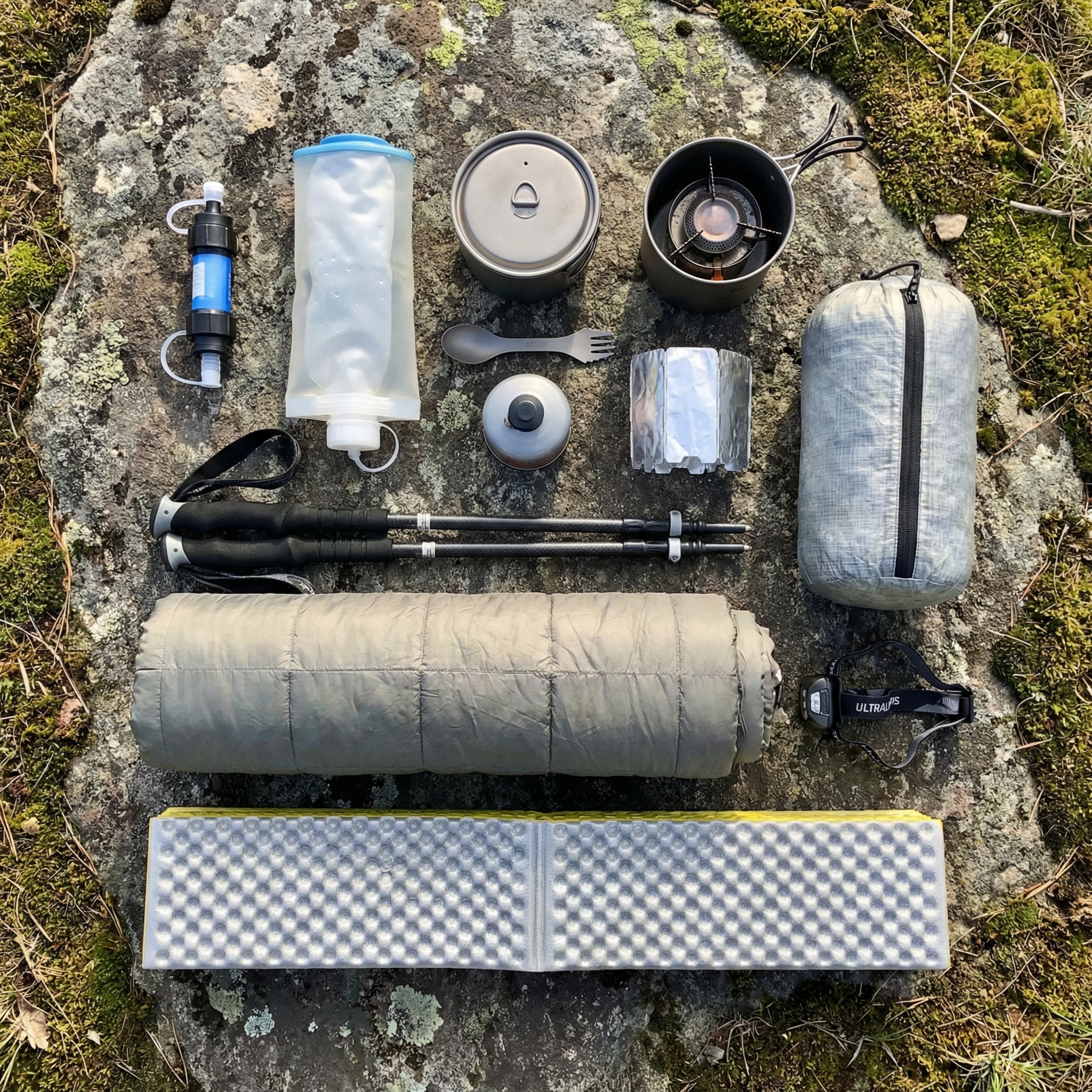
Weight: Backpackers count ounces. RV campers can prioritize durability.
4 Reliable Options for Campers
Squeeze Filters (Sawyer-style systems)
Lightweight, compact, ideal for backpackers and off-grid RV travelers.
Gravity Systems (Platypus-style)
Great for groups. Fill, hang, wait. Minimal effort.
Purification Tablets
Essential backup. Compact. Cheap insurance.
Straw-Style Filters
Simple and effective for direct drinking, especially in emergencies.
The Smart RV & Preparedness Angle
If you RV, overland, or boondock, water independence matters.
A compact primary filter plus chemical backup tablets creates redundancy. Redundancy equals peace of mind.
Filtration isn’t just hiking gear. It’s part of a broader off-grid strategy.
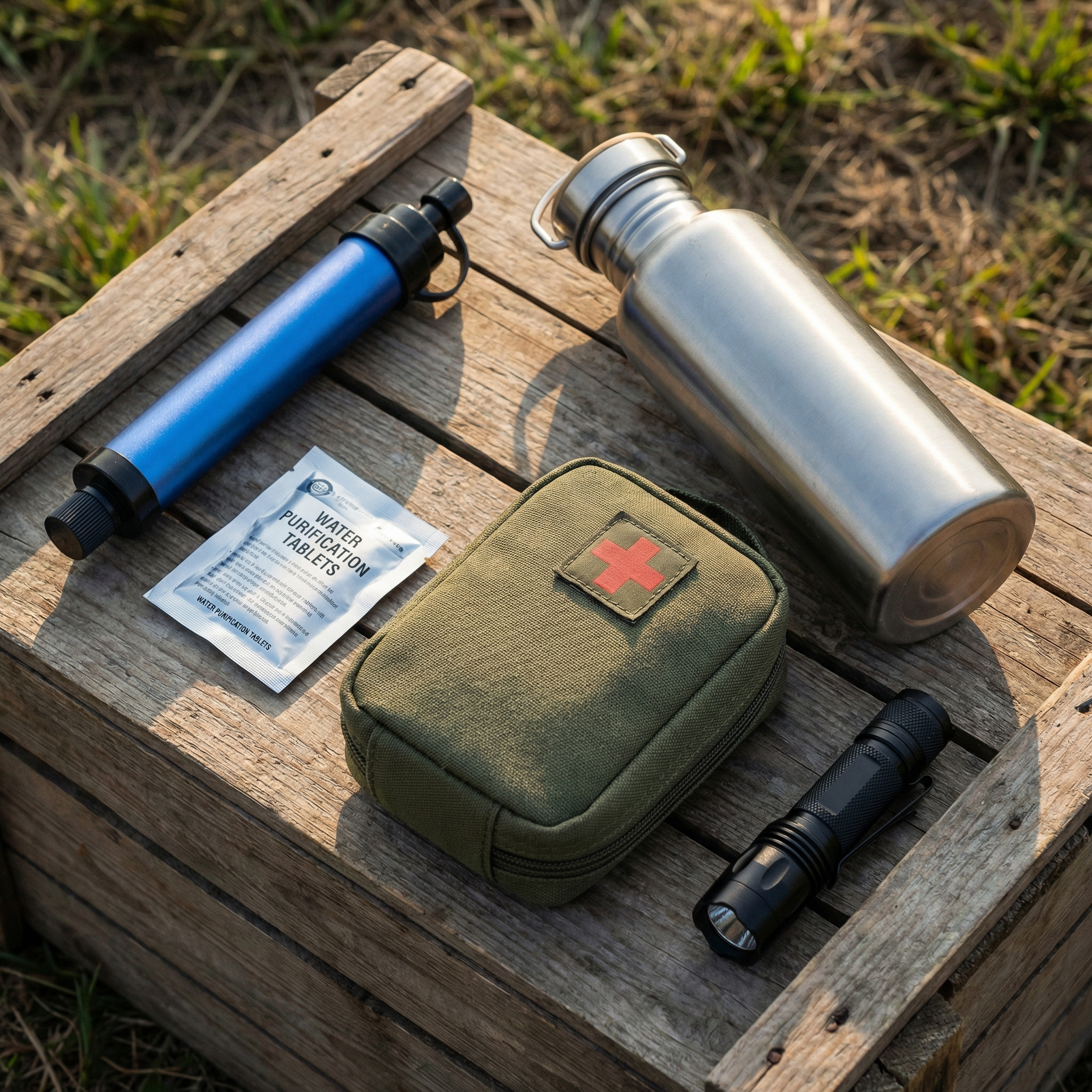
Want reliable survival-grade filtration options?
Explore trusted water filtration and emergency preparedness gear designed for real-world scenarios.
View Water Filtration OptionsFrequently Asked Questions
Is a water filter enough for camping?
For most North American backcountry water sources, yes. A 0.1-micron hollow fiber filter handles bacteria and protozoa effectively.
Do I need a purifier instead of a filter?
If viruses are a realistic concern (international travel or compromised municipal systems), consider a purifier.
Are purification tablets safe to use?
Yes, when used correctly. Follow dosage and wait times. They are widely used for emergency and travel water treatment.
Will water filtration technology get smaller?
Most likely. Hollow fiber membranes continue to become lighter and more efficient. Expect improvements in flow rate and compact design.


Leave a Reply