

Last Updated on September 14, 2026 by Jeremy
Firewood selection is more than grabbing the nearest pile of logs and hoping for the best. If you’ve ever fought a smoky, short-lived fire that barely throws heat, there’s a good chance the wood was the problem.
Different firewood types burn differently. Some woods give you long, steady heat. Others light fast but die fast. And some make your campsite smell amazing… while secretly coating everything in smoke.
TL;DR: Want an efficient, long-lasting fire?
- Top picks: Oak and hickory for long burns and heat, ash and maple for easy use, cherry for aroma.
- Most important factor: burn seasoned wood (dry wood) to reduce smoke and creosote.
- Rule of thumb: hardwoods burn longer; softwoods light faster but burn faster.
- If you’re cooking: pick woods that complement flavor (cherry and hickory are common favorites).
If you’re here because you cook outside a lot (pellet, charcoal, griddle, campfire, the whole deal), you can also check out my Pit Boss brand page here: Pit Boss: Outdoor Cooking for RVers and Enthusiasts .
Understanding Firewood Efficiency
The “best” firewood depends on what you’re trying to do: heat a space, build a long campsite fire, or cook something that doesn’t taste like regret. But in general, great firewood checks four boxes:
Higher BTUs usually means more heat per log. Dense hardwoods tend to win here.
Denser woods burn slower and last longer. Great for overnight burns and steady heat.
A clean burn means less smoke, less smell stuck in your clothes, and better combustion.
Some woods spark more. And wet/green wood can increase creosote buildup in chimneys.
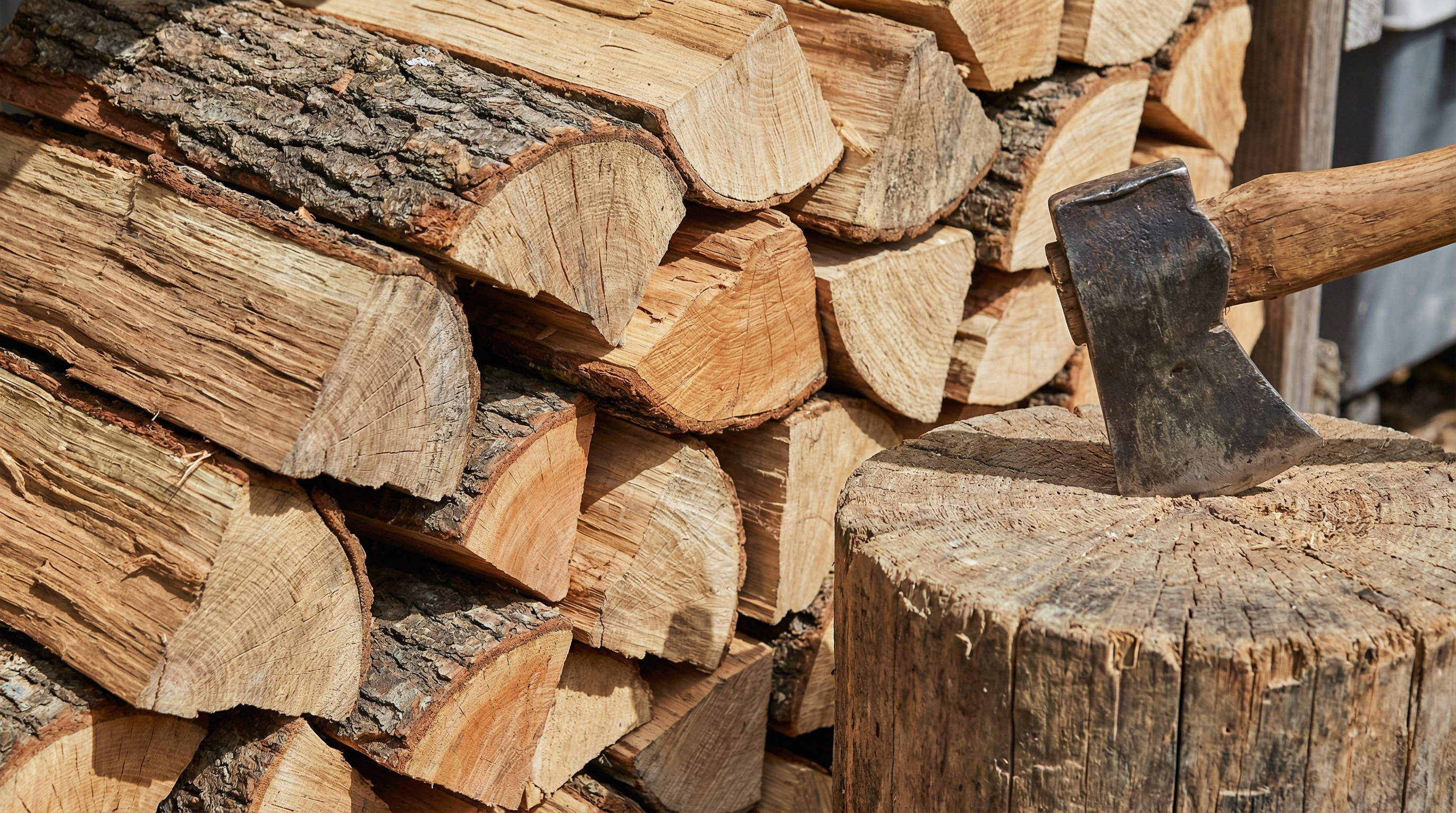
EEAT note: The biggest efficiency upgrade isn’t a wood species, it’s moisture content. Seasoned firewood is typically considered “ready” when it’s around 20% moisture content or less. A basic moisture meter makes this simple. (US EPA burn-wise guidance: Best wood-burning practices)
The Top 5 Best Burning Firewoods
1) Oak: The Gold Standard for Long Burns
Oak is the reliable workhorse. It’s dense, burns hot, and tends to hold a steady coal bed that keeps a fire alive longer. If your goal is heat and longevity, oak is usually a safe bet.
Why oak works
- High heat output: great for heating and steady warmth.
- Long burn time: ideal for long campsite fires and wood stoves.
- Good coal bed: helps keep the fire stable between refuels.
Downsides
- Long seasoning time: often needs 12–24 months depending on how it’s stored.
- Harder to ignite: benefits from good kindling or a hot coal base.
2) Maple: Easy-Going and Consistent
Maple is a strong all-around option. It lights easier than oak and gives steady heat. If you want a dependable burn without the “oak takes forever to dry” issue, maple is a solid pick.
- Good heat output: especially with sugar maple and other harder varieties.
- Cleaner burn: when seasoned properly.
- Easy to work with: generally easier to split than the toughest hardwoods.
Quick reality check: “Maple” includes multiple species. Hard maple typically outperforms soft maple for burn time and heat.
3) Cherry: The Aromatic Clean Burner
Cherry is popular for a reason: it’s pleasant. It burns relatively clean and smells great, which is why people love it for fireplaces and campfires where “vibe” matters.
- Great aroma: one of the nicest-smelling fires.
- Lower smoke (when dry): good for social campfires.
- Cooking-friendly: commonly used for smoking and BBQ flavor.
Downsides
- Lower heat than oak/hickory: still useful, just not the “max heat” king.
- Can be pricier: depending on local supply.
4) Ash: Beginner-Friendly and Reliable
Ash is one of the most user-friendly woods. It’s known for burning well, splitting easily, and producing steady heat without being finicky.
- Easy ignition: generally lights easier than very dense hardwoods.
- Consistent burn: solid for campfires and fireplaces.
- Less hassle: a good choice if you’re not trying to “optimize everything.”
Regional note: Emerald ash borer has impacted availability in some areas. If ash is scarce or expensive where you are, maple often becomes the practical substitute.
5) Hickory: Maximum Heat and Long Burn Time
Hickory is the “bring the heat” wood. It burns hot, burns long, and it’s famous in the cooking world for flavor. If you’re heating in cold conditions or building a long-lasting fire, hickory is a top-tier option.
- High BTUs: excellent heat output.
- Very long burn: dense wood that lasts.
- Cooking favorite: strong smoky flavor for BBQ.
Downsides
- Tough to split: can be stubborn without the right tools.
- Often expensive: high demand for cooking and heating.
Other Firewood Types: What Can You Burn in a Pinch?
Sometimes you burn what you can get. Here’s the quick-and-honest breakdown:
- Birch: lights easily and burns hot, but tends to burn faster.
- Poplar: easy to ignite, lower heat, faster burn.
- Pine & spruce: lights fast, but higher sap/resin can increase smoke and creosote risk in chimneys.
- Cedar: smells great, but tends to spark more (use caution in open fires).
- Apple: excellent for cooking aroma, not typically your “main heating” wood.
Safety note: Creosote risk increases when burning wet wood and when fires smolder at low temperature. If you use a wood stove or fireplace, chimney safety is worth taking seriously. (NFPA chimney and heating safety resources: Home heating safety)
Seasoning and Storage: The Part Most People Skip
If you want less smoke, more heat, and fewer “why won’t this light?” moments, your wood needs to be dry. That means stacking it properly, keeping it off the ground, and giving it airflow.
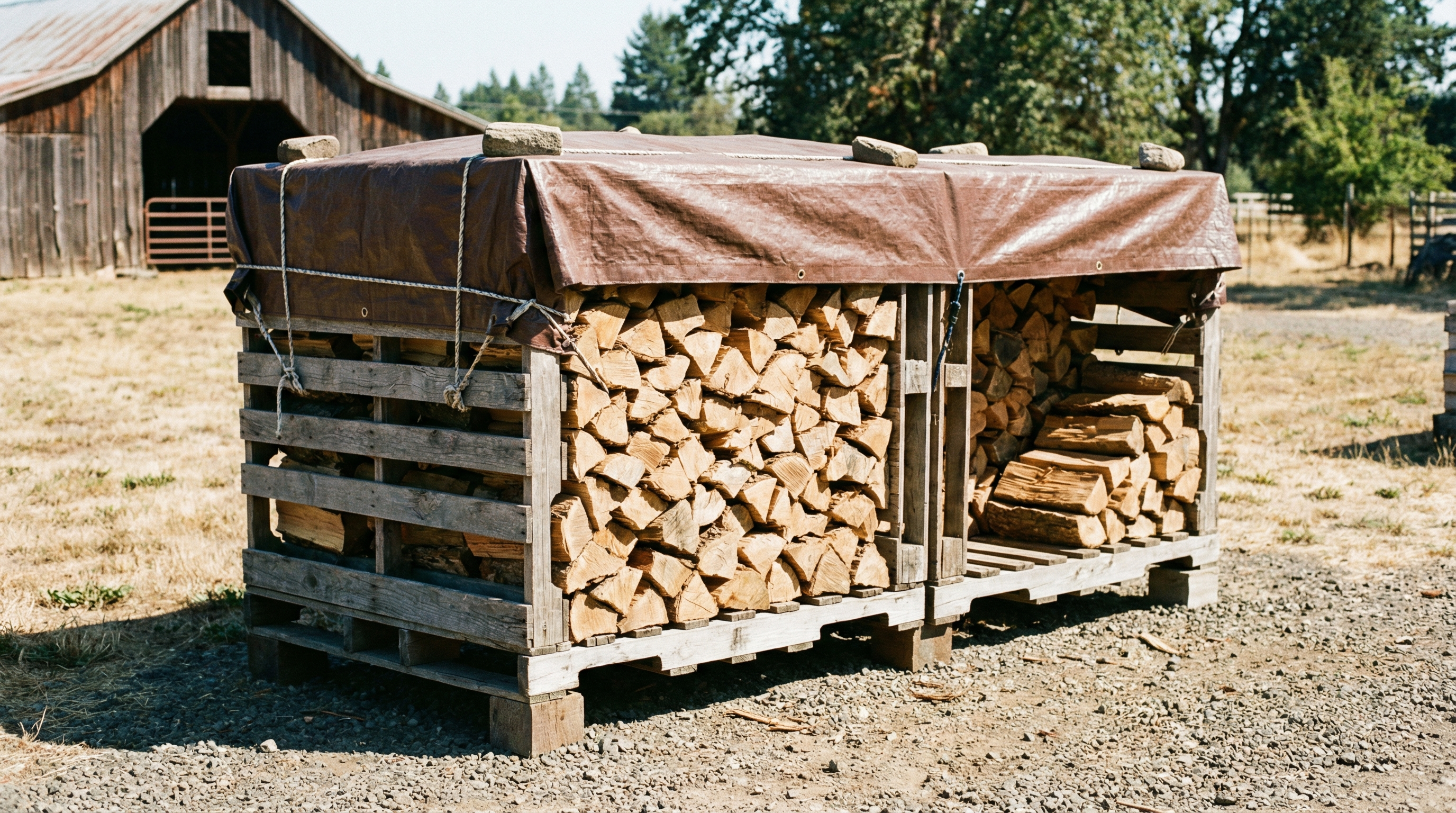
A simple storage setup that works
- Off the ground: pallets or runners reduce moisture wicking.
- Top covered, sides open: keep rain off but let wind dry it.
- Split to size: smaller splits dry faster than big rounds.
- Check moisture: aim for around 20% or less for clean burns.
The EPA’s burn-wise guidance is a good “don’t overthink it” reference for cleaner, safer burning: EPA Burn Wise
Cooking Over Fire: Keep It Simple and Delicious
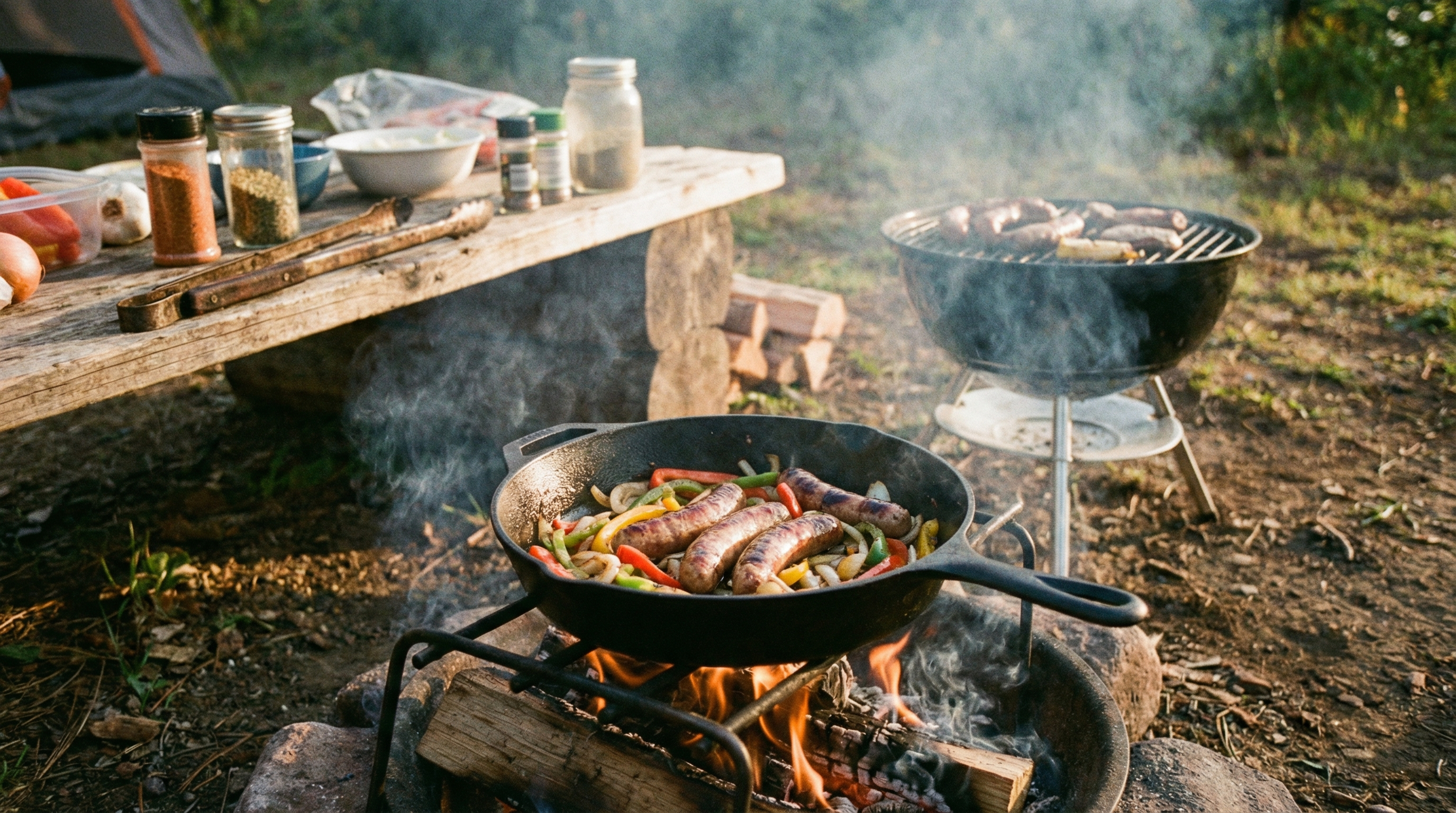
If you’re cooking outdoors, wood choice becomes part heat source, part flavor. Cherry and hickory are common favorites for that reason. And if you’re doing pellet or portable grill cooking regularly, it’s worth having a consistent setup that fits RV life.
Related brand hub: Pit Boss: Outdoor Cooking for RVers and Enthusiasts
Final Thoughts: Choosing the Best Firewood for Your Needs
If you want maximum heat and long burn time, oak and hickory are hard to beat. If you want a practical, easy-burning option, maple and ash are great daily drivers. And if you want aroma and a clean burn for social fires or cooking, cherry is a solid choice.
The biggest win, though, is simply burning seasoned wood. Dry wood burns hotter, cleaner, and reduces smoke problems across the board.
Want to make this even more practical? Tell me where you camp most (region) and what you use the fire for (campfire vibe, cooking, heating), and I’ll suggest the “best local wood mix” strategy.
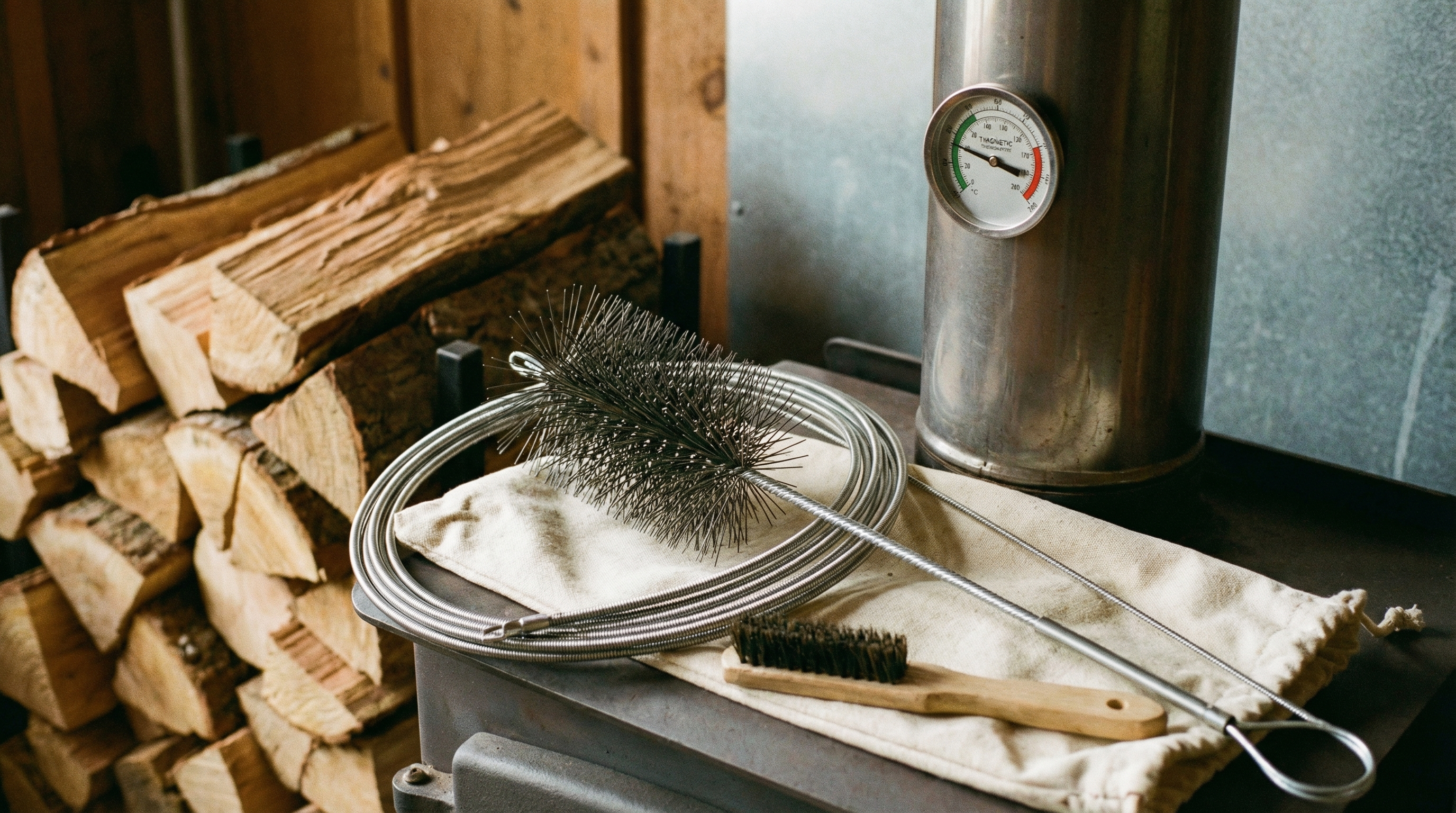
If you burn indoors: chimney maintenance matters. A clean system reduces fire risk and improves efficiency.
FAQ
What’s the best firewood for the longest burn?
Dense hardwoods like oak and hickory generally provide the longest burn time, especially when properly seasoned.
What moisture level should firewood be before burning?
A common guideline is around 20% moisture content or less for a cleaner, hotter burn. Wet wood smokes more and burns less efficiently.
Is it safe to burn pine or softwoods in a fireplace?
Softwoods like pine ignite easily, but their resin content can increase smoke and creosote risk, especially if the wood isn’t dry and the fire smolders. For indoor burning, seasoned hardwoods are typically the safer, cleaner choice.
What’s the best firewood for cooking flavor?
Hickory and cherry are popular because they add distinct flavor. The “best” depends on what you’re cooking and how strong you want the smoke to be.


Leave a Reply