

Affiliate Disclosure: I earn commissions if you shop through the links below at no additional cost to you.
Last Updated on December 14, 2025 by Jeremy
When the Wheels Stop Turning
The first week of October always feels strange.
One minute you’re knee-deep in the rhythm of campground life—emptying fire pits, checking sites, waving to weekend warriors on their way out—and the next, the park gates swing shut, and silence moves in faster than a fall frost.
We wrapped our fourth season on October 2nd, loaded up our summer runaround vehicle, and pointed it toward Golden, B.C. The company-lent trailer stayed behind, parked neatly where the next crew would collect it. It was weird walking away from a rig that had become our summer home yet wasn’t really ours. Like saying goodbye to a borrowed cabin you’d just finished remodeling.
Relief came first. Burnout came right behind it.
This past season hit harder than most—longer days, more guests, more “you-can’t-make-this-stuff-up” stories than any previous year. The kind of summer that tests your patience, your marriage, and your definition of “vacation.” So when we finally drove out of the park compound, it wasn’t just an exit—it was a deep breath we hadn’t taken in months.
But freedom comes in funny forms.
Once the park keys were turned in, we weren’t rolling in our home-on-wheels anymore. For the first time in years, we were RV people without an RV.
Our life shifted overnight from leveling jacks and grey-tank gauges to suitcase zippers and hotel keycards.
From October 2nd to 16th, we lived out of duffel bags—bouncing between small hotels, eating out more than our comfort zones liked, and trying to remind ourselves that “vacation mode” doesn’t have to mean restaurant mode. For full-time RVers used to cooking our own meals under awnings and stars, eating from take-out containers felt foreign. There’s something grounding about slicing onions on your own counter, even if that counter wobbles when you step inside the trailer.
Still, we knew this was the short game—the bridge between seasons. We told ourselves that every restless night and every overpriced dinner was just a countdown to the next chapter: the return to Costa Rica, to humidity, to rust, to familiar jungle noise and friendly chaos.
That’s the beauty of this lifestyle—it trains you to adapt faster than most people change their socks. Whether you’re parked on a mountain in B.C. or unpacking in a Costa Rican guest room, the mindset stays the same: simplify, stay curious, and keep moving forward.
We didn’t realize it then, but this off-season would blur the lines between what we’d always called “home” and what we were starting to call “freedom.”
The wheels might’ve stopped turning, but the life—the unpredictable, slightly-dusty-around-the-edges RV life—was about to pick up speed in an entirely new way.
From Gravel Pads to Jungle Roads
The minute the plane doors opened in Liberia, the heat hit like a wall of wet air. After six months of dry B.C. mountain air, the mix of humidity and jet fuel felt heavy enough to drink.
Getting through customs wasn’t as quick as we hoped. Somewhere between flight bookings and park close-out paperwork, we’d forgotten about Costa Rica’s return-flight requirement. You can’t just show up without proof you plan to leave.
Thankfully, I’d saved screenshots of every conversation I’d had with the Aduanas agent, explaining that we were returning to reclaim our truck and trailer. Between that, a translator app, and a few patient smiles, we got our stamps and a tired bienvenidos otra vez.
Everyone else was ready for showers and sleep at the hotel. I couldn’t shut my brain off. While Jess and the kids decompressed, I spent the afternoon arranging local insurance, checking with customs about the inventory mismatch between the truck and trailer numbers, and making friends with Uber drivers who seemed to know every office clerk in Guanacaste.
Friday rolled into the weekend, and the phrase mañana quickly became the theme. By Monday afternoon, though, we finally had clearance.
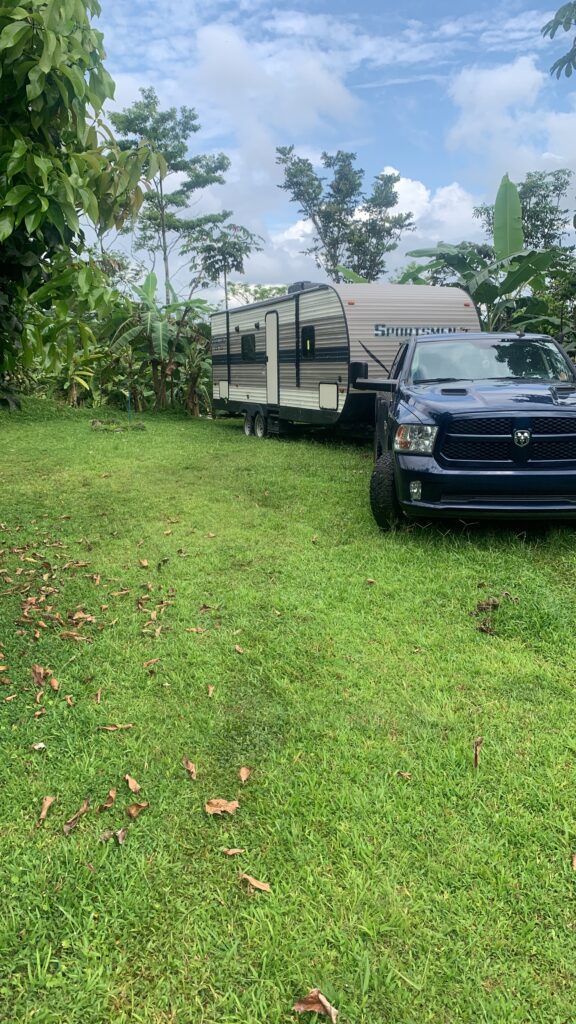
Walking into the storage yard felt like opening a time capsule. Our half-ton Ram 1500 sat there dusty but familiar, surrounded by tall grass and a few curious geckos. The battery was completely flat—no clicks, no dash lights, nothing. Just silence.
The yard manager showed up with a booster pack. One quick hookup and the truck came back to life like it had never skipped a beat. I let it idle for nearly two hours while the last stack of customs forms made their rounds. It gave the battery a chance to charge, the fluids to circulate, and me a chance to remember why patience is part of the job description when you live this lifestyle.
Both the truck and trailer were technically cleared that day, but I’d had enough of Uber rides and juggling logistics for one stretch. I needed a working vehicle in my hands, not another night of taxis. So, I made a deal with the yard: I’d take the truck now and come back for the trailer the next morning.
That choice felt like a little victory. The sound of that gas engine idling was familiar comfort. No paperwork, no translators—just the steady hum of something we owned and controlled again.
When I returned on Tuesday, the trailer looked tired but intact. Rust freckles on the stabilizers, a few spider webs in the corners, and one very dried-up lizard in the bathroom. Inside, though, the DampRid we’d left behind had worked wonders. No mold, no odor—just still air and silence.
A quick spray of roach killer, a sweep through the cupboards, and the old home-on-wheels was ready to roll. The coupler dropped onto the hitch with a satisfying clunk, and for the first time in months, the rig and the truck were united again.
We didn’t head straight for the jungle just yet. The plan was to bring the trailer out, park it, and rejoin the family for two more nights in Playa Hermosa before moving inland. That gave us time to reset, repack, and trade airport stress for ocean air.
Standing there in the storage lot, sweat running down my back, I could finally breathe.
After weeks of planning and paperwork, we had our wheels again—and that quiet, steady feeling that the next chapter was officially rolling.
Home Away from the Wheels
By Saturday morning, the travel haze was wearing off and everyone was ready for a roof that didn’t belong to an airport hotel. Our driver took us from Liberia to Playa Hermosa, pulling through a tidy complex of condos halfway between Hermosa and Playa del Coco — about five kilometres either direction. The place sat quietly on the hillside, a mix of white, orange, and yellow buildings, each three or four stories high with their own locked gates. No security guards, no busy lobby — just coded entries, palms, and the sound of cicadas.
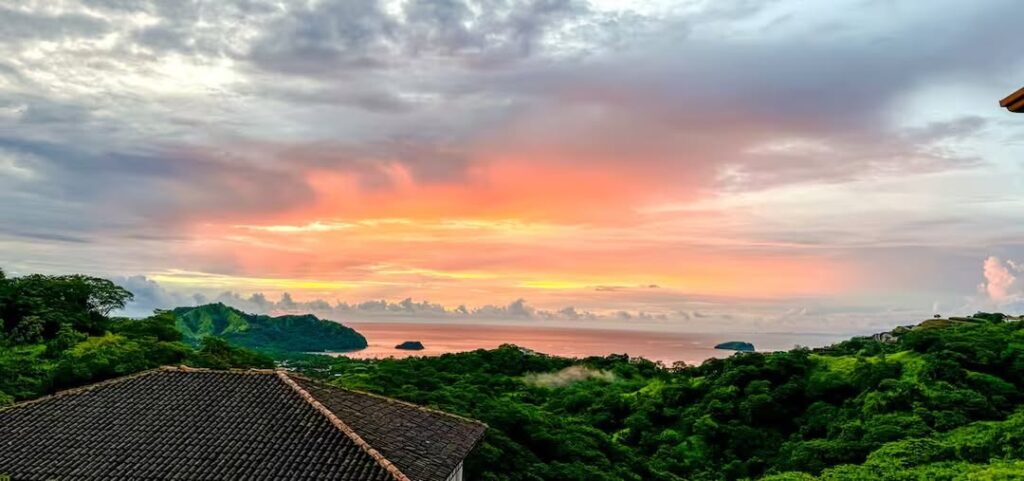
Our unit was on the top floor. It took a few sweaty trips up the stairs to carry groceries and gear, but the payoff was worth it: an ocean view of Coco Bay, wide and blue through the sliding doors. Inside was clean and simple — two bedrooms, tiled floors, and blessed air conditioning that never stopped humming. After months in a company trailer, it felt like luxury just to close a door and know it would stay shut.
Settling In
We settled into a rhythm almost immediately. Mornings started around 6 a.m., same as park life, but with softer edges — coffee instead of checklists. I finally had time to work on websites without generator noise in the background, Jess caught up on reading, and the kids spread out in their own rooms.
Groceries were a learning curve. On the drive from the hotel, our tourismo driver had stopped at PriceSmart, Costa Rica’s version of Costco, so we could stock up. Of course, we still forgot half the basics. The next day I grabbed an Uber into Coco, a 15-minute ride, and picked up the odds and ends we’d missed — bread, oil, fresh fruit, and a few treats.
We didn’t socialize; no one really did there. Aside from the quick ten-minute hand-off with our host when we arrived, it was just us — a quiet top-floor bubble with everything we needed.
Weather and Work
The days were hot and muggy, the kind that make even the concrete sweat. Mid-afternoon brought short bursts of rain, and one evening delivered a storm that rattled the windows before disappearing into clear night sky again. The rest of the week stayed bright, humid, and still.
Inside, the air conditioning ran nonstop. Meals were cooked at the dining room table, simple stuff — rice, eggs, pasta — the kind of food that tastes better when you’re the one who made it. Evenings were quiet: a bit of laptop time, a bit of channel surfing, and an unspoken agreement that this downtime was overdue.
Mid-week, I made the run inland. On October 14th, Skylar and I left early to haul the trailer from storage to Tenorio Treasures. The 90-minute drive twisted through the hills, and somewhere along the way I was reminded just how much I missed having working trailer brakes. When we arrived, the hosts greeted us like old friends. We backed into the site, leveled off, connected power and water, replaced the hot-water-tank relief valve, ran the fans, unpacked a few essentials, and then turned right back around. The entire round trip, setup included, took barely three hours.
The Quiet Days
The last two days back at the condo were pure recovery. We took one short morning trip to Hermosa Beach for breakfast — gallo pinto, eggs, and fruit with the waves close enough to taste the salt. The rest of the time we just stayed put, regrouped, and let the pura vida mindset sink back in.
By October 16th, the groceries were packed, laptops closed, and everyone was ready to move inland. The storms had drifted back toward the mountains — exactly where we were headed next. The trailer was waiting under the Tenorio clouds, and for the first time in weeks, the rhythm of the road was starting to sound familiar again.
Tenorio Treasures: Our New Kind of Campground
When Skylar and I pulled into Tenorio Treasures on October 14th, it felt like coming home—but not to the same home we remembered. The area was familiar, but this site was smaller than the glampground we stayed at last year, with less of a view and fewer open spaces. Still, the jungle sounds were the same: birds arguing in the canopy, the occasional bark of a howler off in the distance, and that thick Tenorio humidity that clings to everything.
The hosts here are locals, good people we’d met last year through the property owner. They gave a wave as we backed in, then let us settle in on our own. We got the trailer leveled, hooked up to power and water, ran the fans, and gave everything a quick systems check. Within an hour, the place was functional and quiet. Then we locked up, climbed back into the truck, and returned to Hermosa to enjoy the last couple of days of “civilization.”
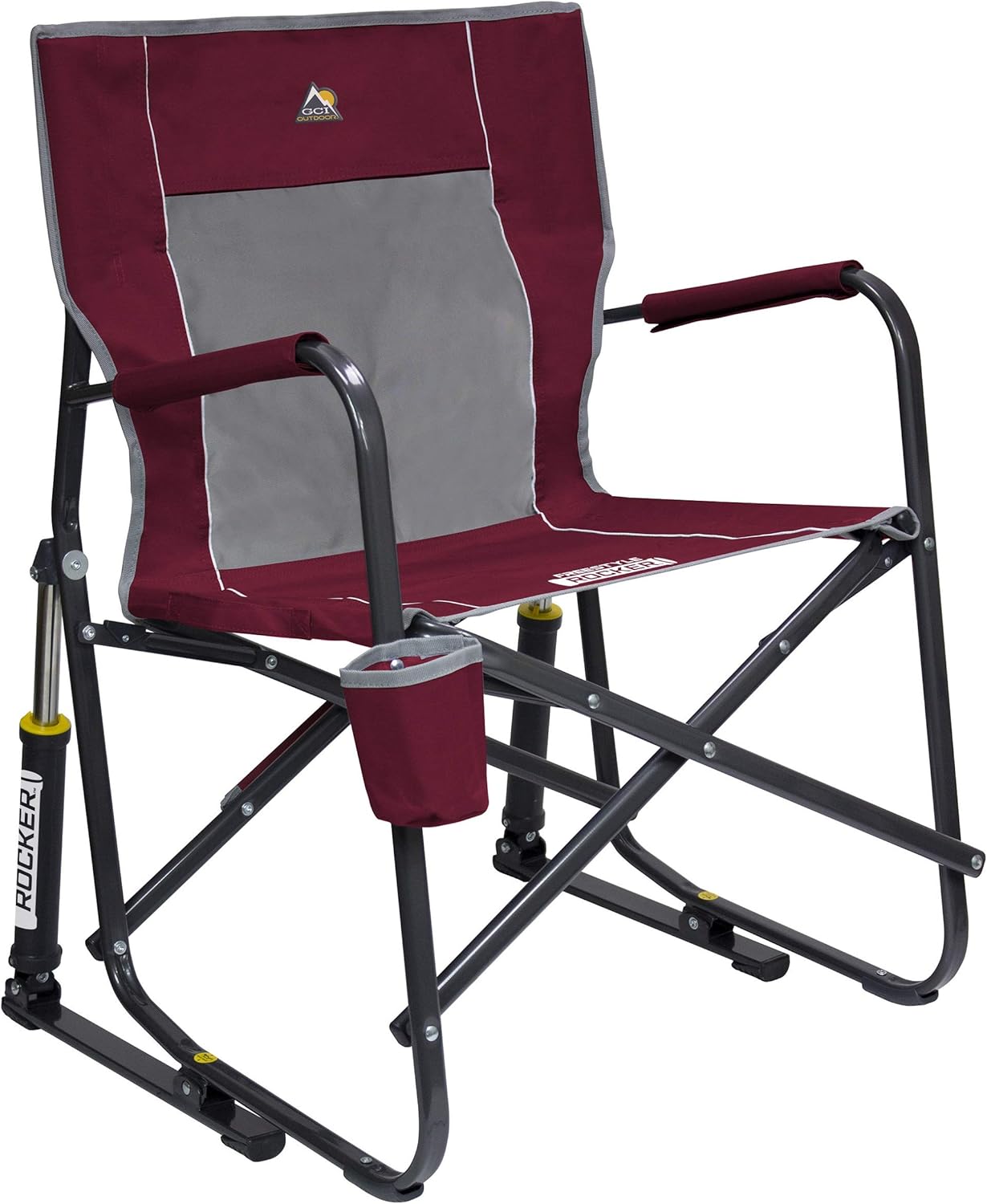
When we came back as a family on October 16th, the place looked exactly as we’d left it—peaceful and still. The air, however, was warm and heavy, the kind of humidity that reminds you you’re living in the tropics. We don’t have any outdoor furniture this time around—no lawn chairs, no patio setup—so most of our evenings are spent inside, cooling off under the steady hum of the fans.
The first few nights were an adjustment. Out here, the jungle has its own rhythm. Frogs, insects, and unseen critters fill the dark with noise, and the fans never stop running. After a while, you stop noticing both.
One thing we learned quickly was that the Wi-Fi didn’t quite reach our site—something we’d already tested when Skylar and I came out two days before setup. So, just before leaving Coco, we decided to finally pull the trigger on a Starlink. We’d toyed with the idea last year but didn’t follow through. This time, it was a no-brainer. Having reliable internet is non-negotiable when you live and work full-time on the road. Now it’s part of our setup—our digital lifeline for everything from work uploads to movie nights.
We’re planning to stay here through January, though that could change. The biggest trade-off with Tenorio Treasures is the lack of sani-dump and laundry. Last year, constant laundry runs wore us down. There’s a campground about 3 km away that offers both dump access and on-site laundry for $500 USD a month. That’s a steep price for long-term living, but the convenience might win later in the season. For now, “free rent” and familiar faces make this little corner of the jungle hard to leave.
If you’re traveling through northern Costa Rica, you can actually camp here too. Tenorio Treasures is listed on iOverlander, and reviews match what we’ve experienced—quiet, friendly, and close to Río Celeste. Here’s a quick snapshot from verified travelers:
“Four sites with private access to Río Celeste, electricity, potable water, cold showers. Great hosts, super quiet, and magic swimming holes.”
They’re right. The private trail to Río Celeste starts right from camp—a short walk that drops you into turquoise pools that feel like another planet.
(Affiliate Disclosure: The Viator widget below contains affiliate links. We may earn a commission at no extra cost to you if you book through it.)
For now, this is base camp. The trailer hums through humid nights, Starlink dishes quietly rotate toward the sky, and each morning we wake to the sound of the jungle shaking off last night’s rain. Not bad for a “temporary” home built on Wi-Fi, willpower, and a whole lot of fans.
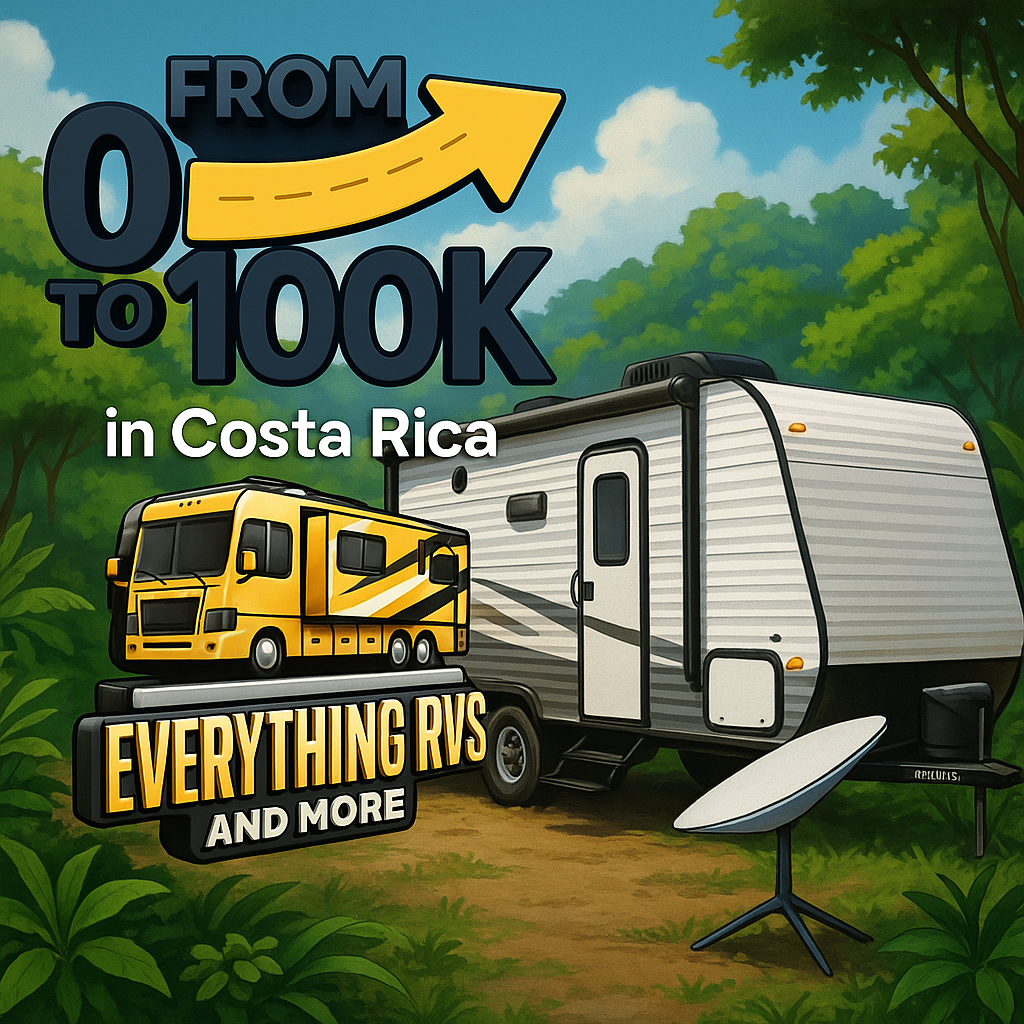
From 0 to 100: Building a Business in the Off-Season
Today marks day 2 here at Tenorio Treasures, and truthfully, it’s the first time I’ve even cracked open the laptop. The jungle’s rhythm makes it easy to forget what day it is—but somewhere between the frogs and the fans, it felt like time to get back to work.
Before we flew south, I’d already launched my latest project, From 0 to 100, back on September 17th, 2025. The idea was simple: document a fifteen-week, real-time build from absolute zero to a fully earning affiliate business. No fluff, no “gurus,” just transparent weekly progress anyone can follow and copy.
During our week at Playa Hermosa, I managed to finish Week 3 and even get a head start on Week 4, which wraps tomorrow. Now, while writing this RV update, I’m juggling both the build and the story of where we’re living it. It’s a bit of a balancing act—editing posts with one tab open and checking Starlink latency in the other—but it proves something I want readers to see: if I can multi-task from a trailer in the jungle, you can build your own digital income stream too.
Every morning starts with tea and a signal test. If Starlink’s cooperating, I dive into site updates, SEO tweaks, or Wealthy Affiliate lessons. If it’s lagging, I step outside, reset the dish, and remind myself this beats any cubicle I’ve ever known.
This is my fifth full website build, sixth if you count one I maintain for a friend, seventh with the store included. Each one’s taught me the same lessons the campground did: consistency wins, shortcuts cost you later, and every tool works better if you actually learn it.
The backbone of this whole project is still Wealthy Affiliate—the same training platform that gave me the digital skills to do this in the first place.
(Affiliate Disclosure: I may earn a commission if you join through my link. It costs you nothing extra and helps keep the lights—and fans—running out here.)
This off-season isn’t about downtime anymore—it’s about direction. Between the hum of the fans and the distant call of toucans, I’m building something that’ll keep us rolling long after the park gates close for the winter.
The goal isn’t to work nonstop; it’s to make the work mean something.
To show that even out here—where the air’s thick and the Wi-Fi’s thinner—you can still build, grow, and thrive.
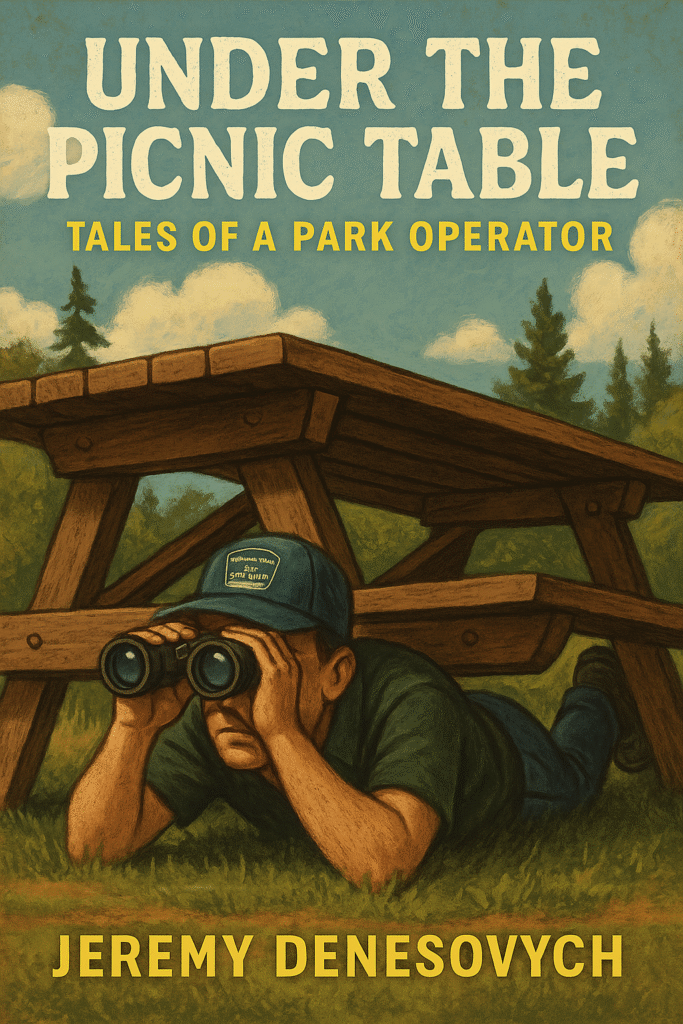
Under the Picnic Table: The Book That Started It All
Before this season even began, one major box on my list was already checked: the release of my memoir, Under the Picnic Table: Tales from a Park Operator. I’d finished final edits, uploaded the paperback to Amazon, and hit “publish” just days before packing for Costa Rica. The timing wasn’t perfect—nothing ever is—but closing that chapter felt like exhaling after a four-year breath-hold.
The idea for the book came somewhere between overflowing garbage bins and sunrise coffee rounds back in British Columbia. After our fourth summer running parks, I realized that if I didn’t write down the stories—wildfire evacuations, broken pumps, midnight raccoon raids—they’d fade into the same blur that every season eventually becomes.
So I wrote. Night after night in the trailer, laptop on my knees, kids asleep in the bunks, generator humming outside. What started as journal entries became chapters; what began as venting turned into storytelling.
Here’s the back-cover summary, which still makes me grin every time I read it:
“What happens when a family trades stability for campgrounds, trailers, and a front-row seat to human nature? From managing toilet-paper shortages to dodging wildfires and weirdos, this raw and hilarious memoir chronicles four seasons of life as a park-operator family in rural British Columbia. With a trailer in tow and chaos always nearby, the author invites you into the hidden world behind the check-ins, firewood sales, and—yes—even the morning they caught kids chasing loose chickens through the forest like it was a rodeo event.”
It’s a behind-the-scenes look at the life most campers never see—the burnout, the humor, and the lessons that sneak up between campfires.
Under the Picnic Table launched on September 25, 2025, and so far five copies have found homes (one of them, admittedly, my good friends mom — but hey, every sale counts).
📘 Get it on Amazon
The message behind the book is the same one I keep circling back to: don’t let “limits” define your limitations. If you’ve got a story—or a skill—put it out there. Whether it’s a campground memoir, a travel blog, or your first affiliate site, none of it happens unless you start.
These days, the book sits beside my laptop while I work, a small reminder that the crazy, chaotic road we’ve been on actually led somewhere tangible. It’s proof that creativity doesn’t require a perfect setup—just a bit of persistence and a few late nights under the picnic-table light.
Living Life Unplugged: What Comes Next
If this year has taught us anything, it’s that life on the road doesn’t always mean movement. Sometimes it’s about stillness with purpose.
We’ve traded the long park days and lakefront check-ins for jungle humidity and the quiet hum of a Starlink dish. It’s not glamorous, but it’s real — and for the first time in a while, that’s enough.
Mornings start with tea, laptops warming on the dinette, and the jungle coming alive outside. Between small maintenance tasks and writing sessions, Jess and I have found a rhythm that feels balanced. The kind that lets you work hard without feeling like you’re sprinting uphill.
The kids are older now — three adults and one sixteen-year-old — all still part of this traveling story. And while the next move isn’t locked in, the compass keeps pointing south. Maybe El Salvador. Maybe Panama. Maybe just here, until the next chapter calls.
The Bigger Picture
Looking back, each part of this year taught its own lesson:
- The park season reminded us how much work it takes to keep a dream running.
- The travel season taught us patience (and a lot about humidity).
- And this digital season — building From 0 to 100K from scratch — keeps proving that freedom isn’t something you find, it’s something you build.
If you’ve followed along this far, you probably get it. You don’t need to have everything figured out before starting. Whether it’s writing a book, launching a site, or finally hitting “publish” on that first blog post — you just have to start.
So here’s where the road forks a little:
👉 If you’re craving a deeper look behind the scenes of park life, grab a copy of Under the Picnic Table — it’ll make you laugh and maybe even rethink your next campground visit.
👉 If you’re ready to build your own off-grid income stream, check out our live 15-week build at From 0 to 100K.
👉 And if what you really need is an escape — the kind that trades Wi-Fi for waterfalls — start planning your next getaway through EverythingNatureandMore.com. It’s our travel and eco-adventure hub, packed with affiliate links to Airbnb, Expedia, Booking.com, and Viator so you can explore the world the same way we do — sustainably, intentionally, and with a story to bring home.
Because at the end of the day, home isn’t a place.
It’s not even a trailer.
It’s wherever you’re still building, still dreaming, and still willing to hit “go.”




.jpg/:/cr=t:5.56%25,l:0%25,w:100%25,h:88.89%25/rs=w:1240,h:620,cg:true)



Leave a Reply