
Affiliate Disclosure: I earn commissions if you shop through the links below at no additional cost to you.
Last Updated on December 14, 2025 by Jeremy
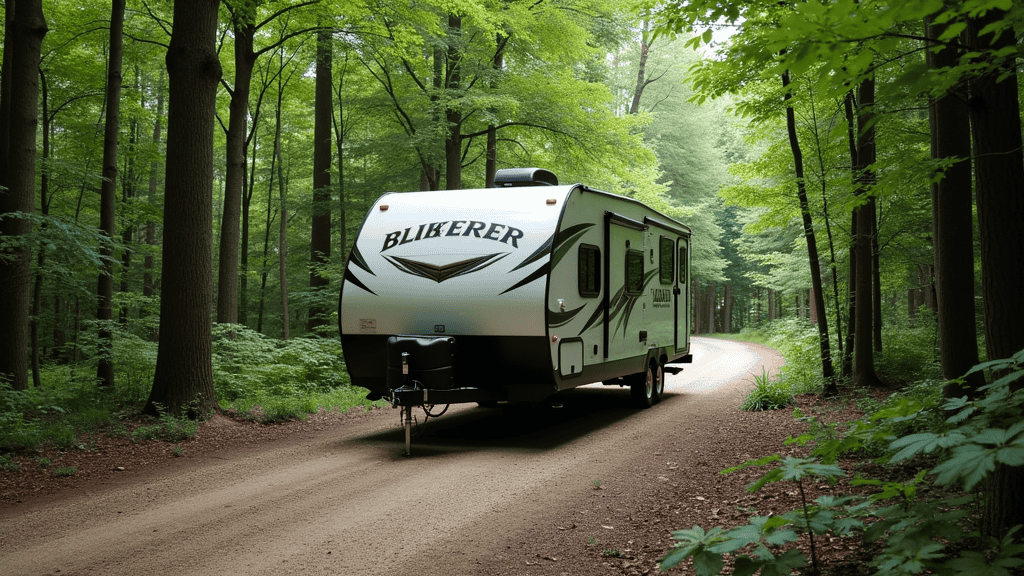
Learning how to back up a travel trailer or fifth wheel can be a real challenge, even if you’ve towed before. I remember the first time I tried; the trailer did not go where I wanted, and I got frustrated fast. The truth is, everyone runs into some trouble at first, but with the right approach and plenty of patience, backing in becomes easier each time.
Getting your trailer into the campsite, driveway, or storage spot is a skill I’ve seen many people wish they picked up sooner. It saves time, spares nerves, and can help prevent scrapes or damage. In this guide, I’ll walk you through the basic steps, share a few practical tips that have helped me, and answer some common questions about parking a travel trailer or fifth wheel.
Understand the Basics of Towing and Backing Up
Before moving the trailer, I always remind myself how a travel trailer or fifth wheel reacts differently from a car. When you steer left while backing, the trailer turns the opposite way. This is the opposite of what you might expect if you’ve only driven cars or trucks. This is confusing at first, but it becomes second nature with a little repetition.
Key Points to Remember:
- Turning the steering wheel right makes the trailer’s back go left, and left turns the trailer’s back to the right.
- Adjustments should be slow and minor. Sudden steering can make the trailer jackknife or swing wide.
- It helps to use your mirrors and stay aware of your trailer’s swing radius. Travel trailers have a larger swing than fifth wheels because of the hitch location.
It took me a few tries to get used to this reverse logic. A handy trick is to put your hand on the bottom of your steering wheel. Whichever way you move your hand, the trailer moves in that direction. This little habit made it much easier for me to get the hang of it and avoid getting turned around.
Prepare Before Backing Up
The most important work happens before you ever turn the wheel. Planning ahead reduces stress and keeps your trailer and truck safe from dings and scratches. I cannot overstate how much preparation makes a difference when you’re dealing with a long trailer or a crowded campground.
Steps to Get Ready:
- Walk the area where you plan to park. Look out for low hanging branches, rocks, ditches, and other campers or cars.
- Plan your path. Decide how you’ll approach the site and what adjustments you might need to make based on angles or room.
- Communicate with a spotter if you have one. Use simple hand signals or walkie talkies. Before I start moving, I talk with my spotter about signals for stop, turn, and straighten.
- Roll down windows and mute the radio. Being able to hear directions or warnings from your spotter is super important.
Taking just a few minutes to prepare saves me a lot of hassle. I often leave my vehicle in park, get out, and picture exactly what needs to happen for a smooth backup. This mental rehearsal helps me stay calm and organized once I start moving the trailer.
Step-by-Step Guide to Backing Up Your Trailer
Backing in should feel like a process, not a rush. Whenever I pull up to a site, I break the movement into a few easy chunks for better control. Rushing will only leave you frustrated and possibly put your trailer at risk for dings.
My Basic Steps:
- Pull past the spot so the trailer is ready to turn in. This gives me a better angle for entry.
- Check my mirrors and slowly start reversing. I watch the rear wheels of the trailer to judge how much I’m curving into the space.
- If corrections are needed, I pull forward and straighten out. There’s no penalty for resetting; this is normal and even experienced RVers do it.
- Keep steering adjustments small and steady. I rarely turn the wheel more than a quarter turn at a time.
- Stop often so I can get out and check the space. Mirrors are helpful, but sometimes blind spots hide obstacles like fire rings or bike racks.
- When the trailer is mostly in the desired spot, I straighten the truck and then align the trailer, making tiny adjustments.
- Once satisfied, I set the parking brake before disconnecting or setting up.
Using this method and taking my time, I back in with a lot more confidence. I always remind myself: it’s not a race, and getting it right is more important than getting it done fast.
Use Tools and Technology
Backing up is easier if you have the right tools. These add ons save my nerves and prevent trouble, especially in tight or crowded campsites. Some modern accessories have become game changers for self-sufficient RVers and people new to towing.
- Wideangle towing mirrors: With these, I keep a better view of both sides of the trailer, helping me spot tight spots and avoid scrapes.
- Rearview or backup cameras: Many new trucks and some trailers come with these. They make it simple to check trailer position in real time and are especially helpful for solo drivers.
- LED backup lights: Useful if I ever need to park at night or in dim lots, as they brightly light up the whole area and keep you aware of all the obstacles in your path.
When I first upgraded my mirrors and tried a backup camera, my confidence went way up. These gadgets might seem like extras, but they make a real difference and are worth the investment for a stressfree experience.
Common Challenges and How to Solve Them
Trailer Doesn’t Go Where I Want
This often happens if I overcorrect with the steering. If things start to look off, I stop, pull forward, and try again. Smaller steering moves give me more control and prevent the trailer from making any sudden swings.
Campsite is Narrow or Trees are in the Way
Obstacles are common in parks. I check clearances on all sides, and I’m always ready to ask the RV park host to move a picnic table or point out a different site if needed. Don’t feel shy about asking for help—most campground staff prefer to help, rather than see you get stuck.
Getting Flustered with a Crowd Watching
It’s natural to feel selfconscious when people are watching. I remind myself they’ve probably been there, too. I focus on my spotter or my hand signals and tune out distractions so I can get safely into my spot.
Tips for Spotters and Solo Drivers
Having a spotter makes things easier, but sometimes I end up backing in alone. Either way, safety and patience help everything go smoother. Your spotter should be someone you trust and who understands the signals you’re using. If you’re backing up by yourself, take it extra slow and stay alert.
For Spotters:
- Make sure the driver can always see you. Stand where you’re visible in the mirror, not behind the trailer or truck.
- Use big, obvious hand signals. Agree on these before moving the trailer so there’s no confusion.
- Stay alert to things the driver might not see, like kids, pets, trees, or building corners. Always be aware of your surroundings and ready to say stop if there’s danger.
For Solo Drivers:
- Take your time. I always get out to check my progress every few feet, especially if there’s tight clearance on either side.
- Use reflective markers, cones, or even brightly colored objects at the corners of my parking spot to get a better idea of distance.
- Practice in an empty parking lot when possible. A few sessions in a quiet area helped me build muscle memory and boosted my confidence before my first camping trip. Try practicing in different lighting and weather to be prepared for anything the road might throw at you.
Frequently Asked Questions
How do I practice backing up safely?
I use empty parking lots or wide open fields, setting up cones or tubs to mark where the trailer needs to go. This makes practice stressfree and helps build skill quickly. Focus on making slow, controlled turns and don’t be afraid to repeat challenging maneuvers.
Is backing up a travel trailer different from a fifth wheel?
Yes, a fifth wheel tends to have a smoother, more gradual turning arc due to where it attaches over the rear axle. I find travel trailers respond faster to steering input, so I stay extra mindful of those steering moves. Always take it slow and get comfortable with the unique feel of your own rig.
What if my trailer starts to jackknife?
I stop right away, then pull forward to straighten everything out. Jackknifing feels scary, but taking it slow and correcting early helps avoid it. Anticipate how your trailer is tracking and react sooner rather than later.
Practical Advice and Final Steps
Backing up a travel trailer or fifth wheel is a skill I continue to work on every trip. Preparing ahead, using good communication with spotters, and practicing small adjustments all made a big difference for me. The more calm and patient I am, the smoother things go. Progress is all about experience—every campsite is unique, and you’ll keep learning with every parking job you do.
Quick Checklist for Success:
- Walk the space and plan your path ahead of time.
- Go slow, use small steering changes, and don’t hesitate to pull forward if needed. It’s not about being perfect the first time, but about getting the trailer parked safely.
- Keep in touch with your spotter, or get out and look if you’re solo. Never be embarrassed to check your progress as many times as needed.
- Give yourself plenty of time to practice—skill grows with patience. Invest in yourself and treat each attempt as a chance to get better.
With these habits, parking that trailer or fifth wheel feels less scary. The time invested in learning pays off with easier trips, less stress, and more time to enjoy the outdoors every time I camp. The sense of accomplishment from maneuvering your rig into a tricky spot just can’t be beat, and you’ll soon look forward to the challenge rather than dread it.




.jpg/:/cr=t:5.56%25,l:0%25,w:100%25,h:88.89%25/rs=w:1240,h:620,cg:true)



Leave a Reply