
Affiliate Disclosure: I earn commissions if you shop through the links below at no additional cost to you.
Last Updated on February 14, 2026 by Jeremy
Before you fall in love with the shiny one
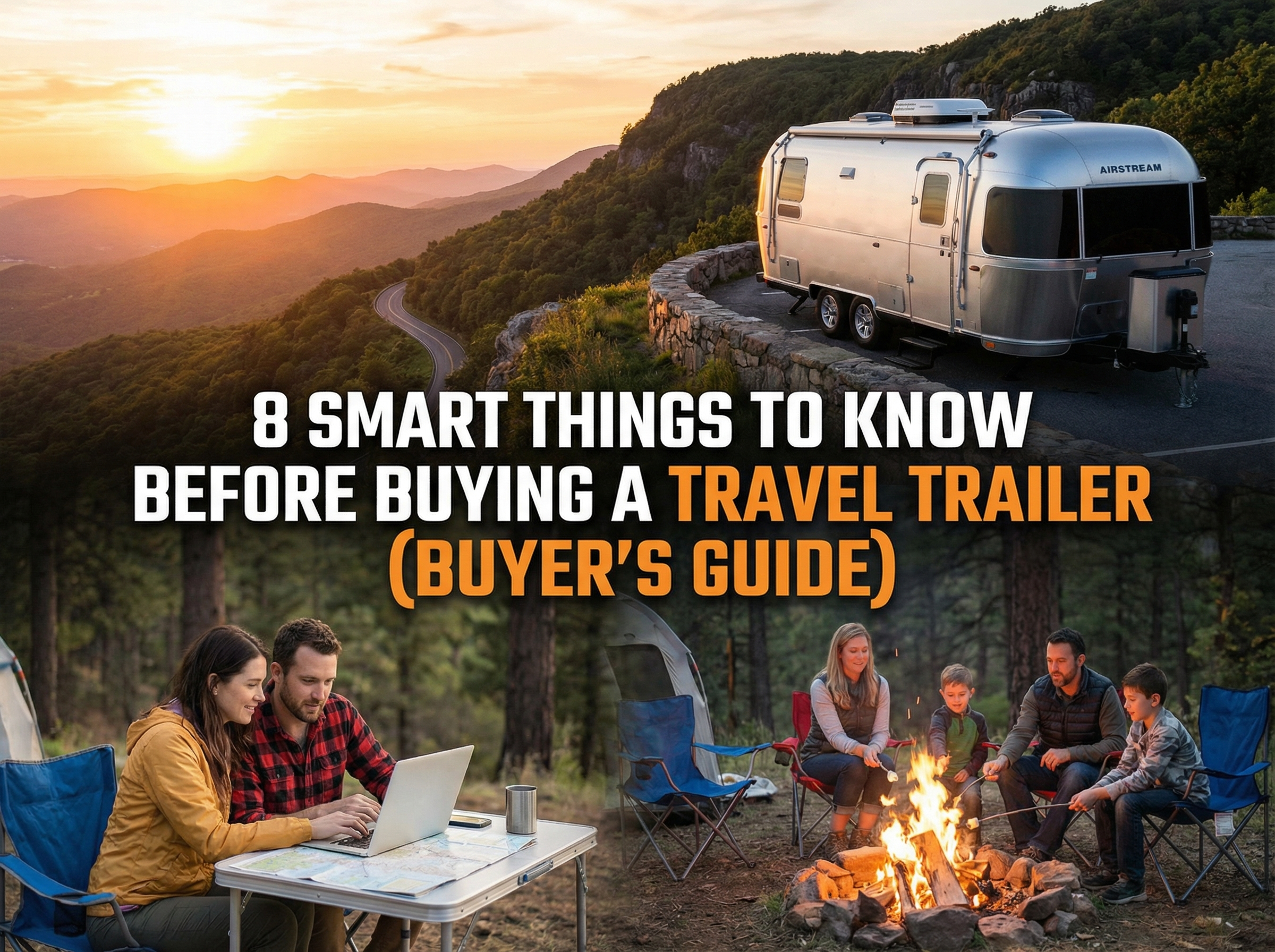
So you’re thinking about buying a travel trailer. Weekend trips, full-time life, or just getting the family out more. I’m all for it. But take a breath before you sign anything.
After years on the road and multiple campground seasons under our belt, I’ve learned this the hard way: most “bad trailer stories” started with a good trailer… and a rushed decision.
Buyer’s mindset
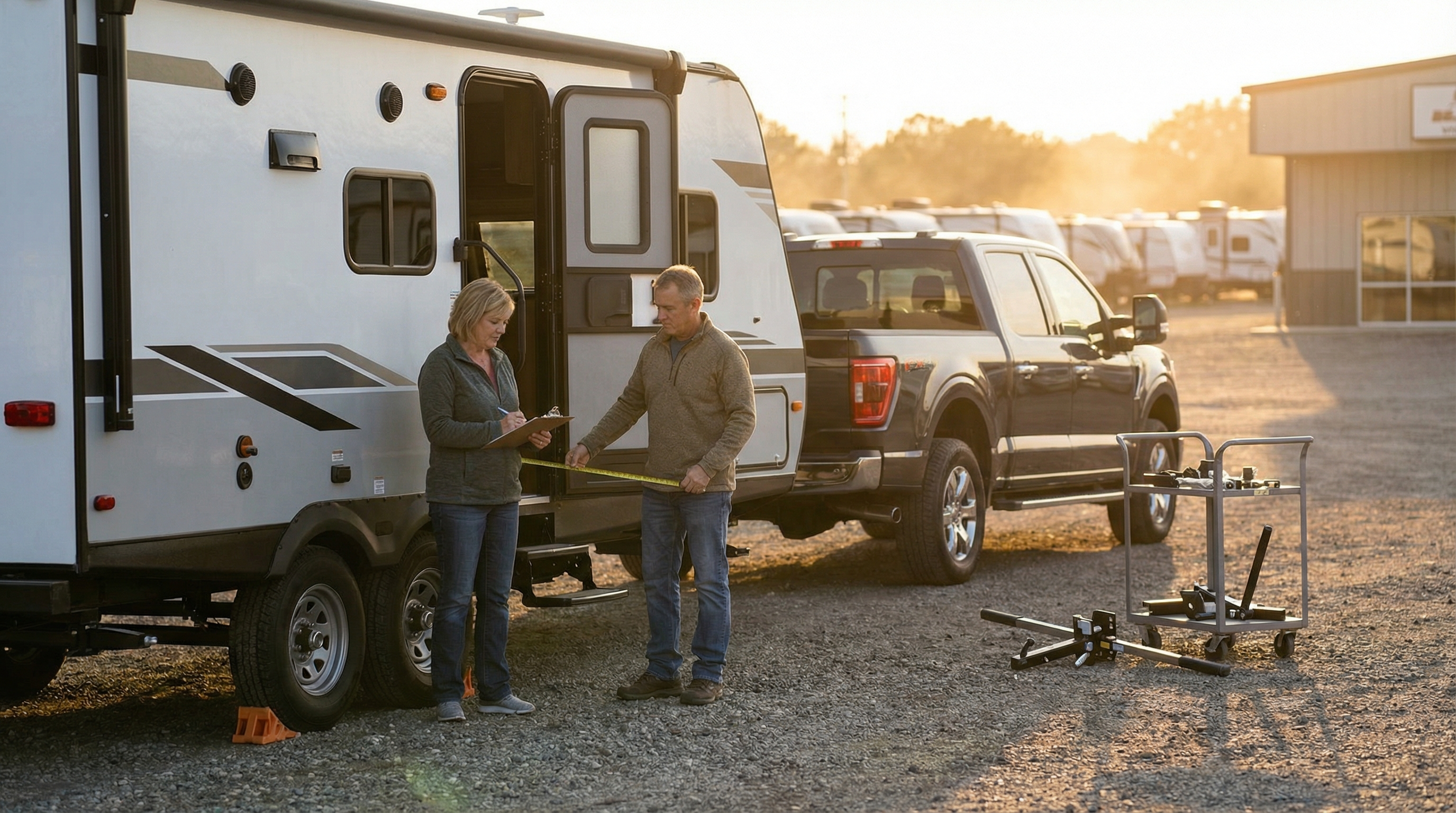
The difference between a smart purchase and a regret purchase is almost always what happens before you sign.
1) Set a real budget (not just the sticker price)
The trailer isn’t the only cost. It’s the start of the spreadsheet you didn’t know you were signing up for. Build your number around total ownership, not just the monthly payment.
- Insurance and registration
- Storage (if you’re not parking it at home)
- Maintenance (tires, bearings, roof, brakes)
- Upgrades you’ll probably want (solar, battery, hitch gear, backup camera, etc.)

2) Know what type of trailer actually fits your trips
“Travel trailer” is a big umbrella. The type you choose affects towability, storage, comfort, and where you can camp. If you’re still torn, these internal guides will help you narrow it down fast:
3) Weight is the deal-breaker (and most people ignore it)
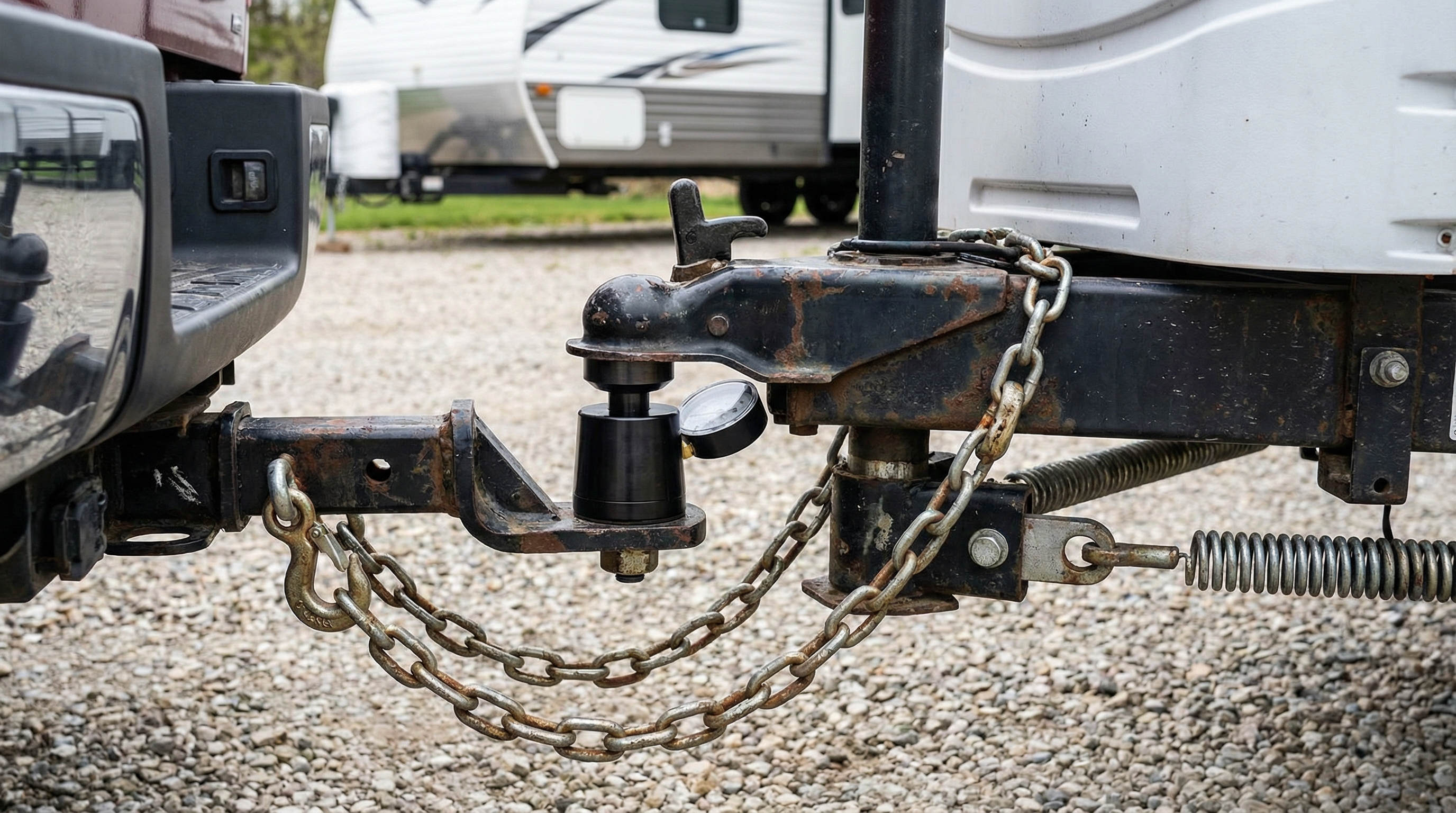
If you want fewer white-knuckle drives, less sway, and fewer “why does this feel sketchy?” moments, you need to match the trailer to the tow vehicle properly.
- GVWR matters more than dry weight.
- Payload is where most setups fail.
- Tongue weight is the silent troublemaker.
Want a real-world comparison read? This one helps when you’re cross-shopping trucks: Chevy vs Ford vs Dodge 4×4.
4) Decide what you need (and what’s just shiny)
Travel trailers can be bare-bones or full-on condo vibes. The more features you add, the more weight, complexity, and maintenance you inherit.
Most people’s “must-haves”:
- Functional kitchen setup
- Bathroom you’ll actually use
- Heat and A/C that can keep up
- Enough sleeping space without turning the whole trailer into a bed every night
Nice-to-haves (if they match your style):
- Solar-ready and good battery space
- Insulation upgrades
- More storage vs more gadgets
- Layouts that make rainy days survivable
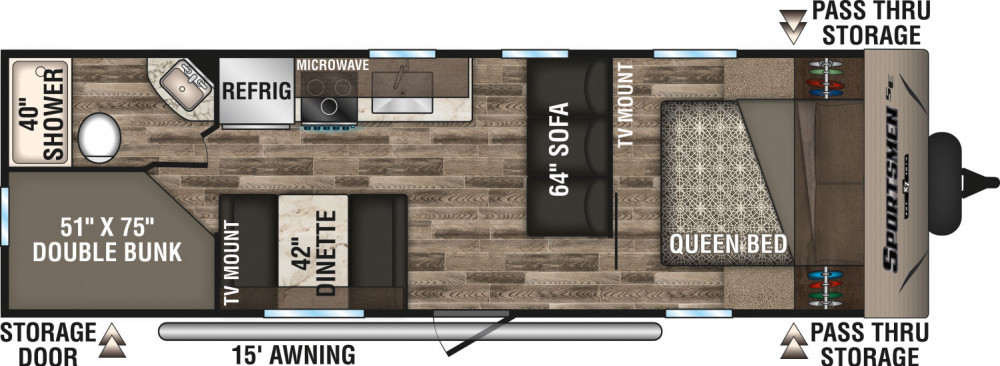
5) Layout matters more than “sleeps 8” marketing
Layout is the difference between “this works” and “why are we stepping over each other constantly?” If you’re traveling as a couple, solo, or with a family, the layout has to match your day-to-day rhythm.
- Where do shoes and wet gear go?
- Can someone cook while someone else uses the bathroom?
- Do you need a real workspace?
- Is cleanup easy, or are you cleaning around furniture?
6) If it’s used, inspect it like your wallet depends on it
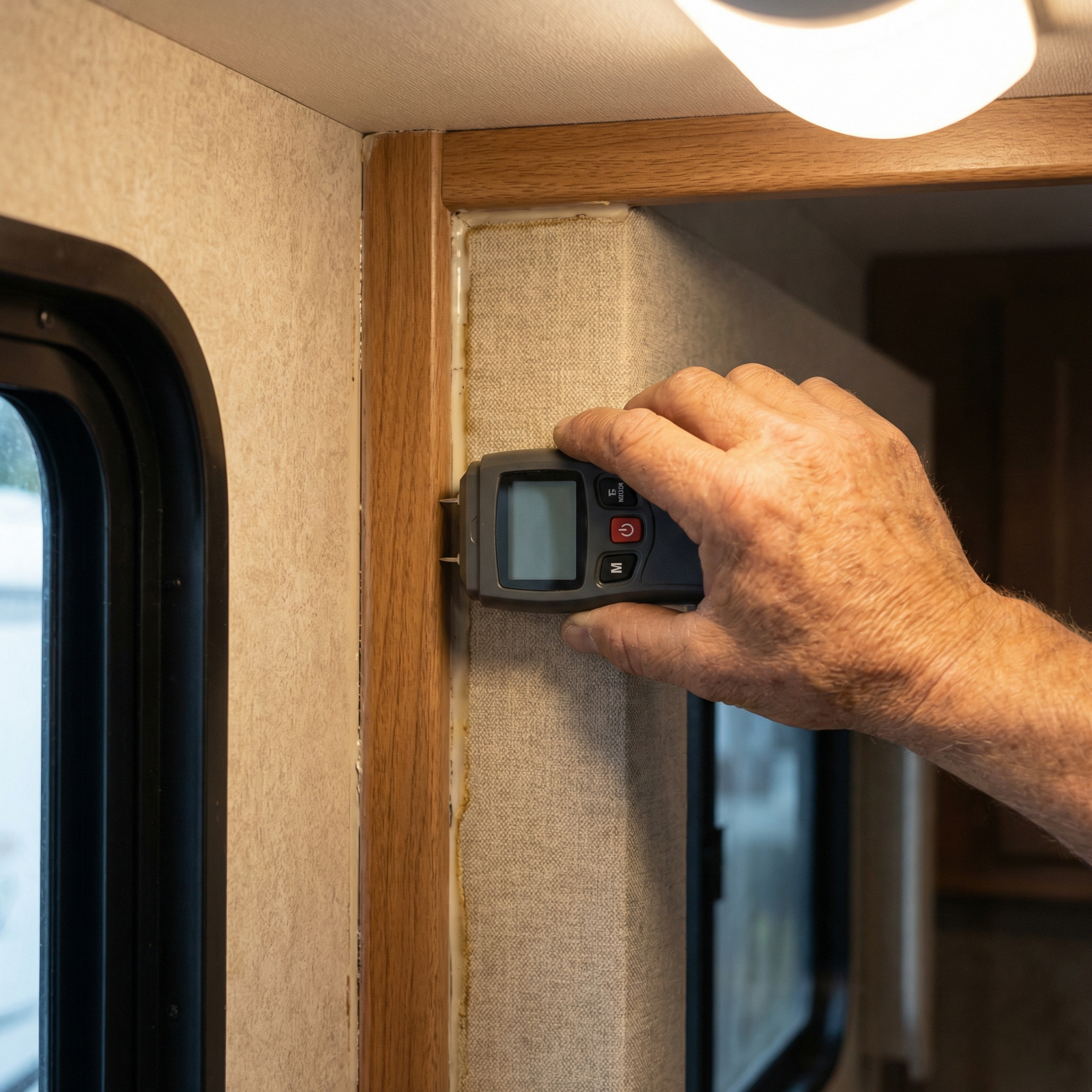
Used can be a smart move. It can also be a very expensive surprise if you miss water damage or neglected maintenance. Take your time and be annoying about it (politely, but still).
- Roof and all seams (look for cracks, gaps, sloppy reseal jobs)
- Ceilings and corners (stains, soft spots, bubbling)
- Floors (soft areas near bathroom, kitchen, slides)
- Tires (check DOT date, not just tread)
- Plumbing and appliances (run everything)
7) Plan storage, maintenance, and where you’ll actually camp
Owning a trailer isn’t just the trip days. It’s also the days it sits. If you don’t plan storage and maintenance up front, that’s where the “I didn’t think of that” costs show up.
- Annual roof and seal inspections
- Bearings and brakes maintenance
- Tires aging out (even if you don’t drive much)
- Insurance, registration, storage fees
8) Understand the boring paperwork (and consider renting first)
Warranty terms, return policies, dealer promises, and what’s actually included… this is where people get burned. Read it. Ask questions. Don’t rush because the salesperson “has another buyer coming.”
If you want to reduce regret: rent a similar model before you buy. Real-world use exposes deal-breakers fast.
For the contract side: having affordable legal advice available is underrated when you’re signing big purchases.
If you want another marketplace to browse and cross-check pricing, here’s one external option: NearMeRV.
Final thoughts
Buying a travel trailer should make life easier, not complicated. The right trailer fits your towing reality, your camping style, and your tolerance for setup and maintenance.
Take your time. Ask the annoying questions. Run the numbers. And if a seller pressures you to rush, that’s usually the clearest sign to slow down.
Try-before-you-buy is the fastest shortcut to clarity
If you’re unsure about layouts, tow feel, or what features actually matter, renting first can save you a pile of regret.
Browse Travel Trailers on RVezyFAQ
What’s more important: dry weight or GVWR?
GVWR. Dry weight is the trailer before propane, batteries, water, gear, food, and the stuff you’ll absolutely bring. GVWR is the safe maximum the trailer is designed to carry.
Why do towing setups fail even when the truck “can tow it”?
Payload and tongue weight. A lot of people focus on towing capacity and ignore what’s sitting on the truck (and hitch). Use the RV Towing Calculator and Weight Balance Tool before buying.
Should I buy used or new?
Used can be a great value, but only if it passes inspection. Water damage and neglected maintenance can erase the savings fast. If you buy used, inspect roof seams, floors, corners, and run every system.




.jpg/:/cr=t:5.56%25,l:0%25,w:100%25,h:88.89%25/rs=w:1240,h:620,cg:true)



Leave a Reply