

Last Updated on September 14, 2026 by Jeremy
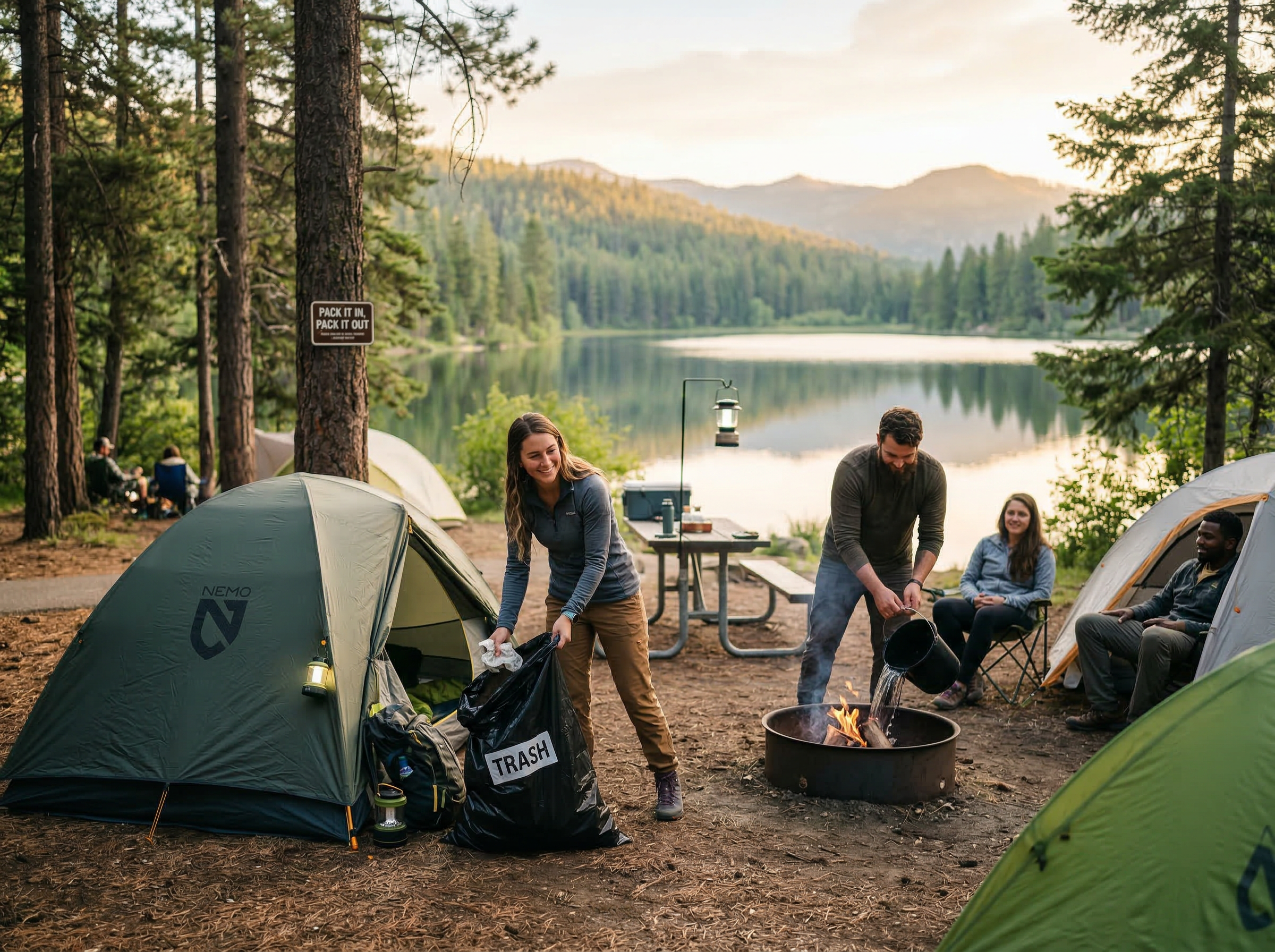
If you spend enough time camping, you’ll quickly discover that campground etiquette isn’t just a nice idea—it’s the difference between a peaceful weekend outdoors and a campground full of frustrated campers.
Most of the rules aren’t complicated. They’re the same common-sense habits you’d follow anywhere people share space: respect your neighbors, respect nature, and leave things better than you found them. But somehow, every long weekend proves that these basics still need a reminder.
After spending several seasons working as campground operators in British Columbia parks, we’ve seen just about every camping mistake imaginable. This guide walks through the simple etiquette rules that make campgrounds enjoyable for everyone.
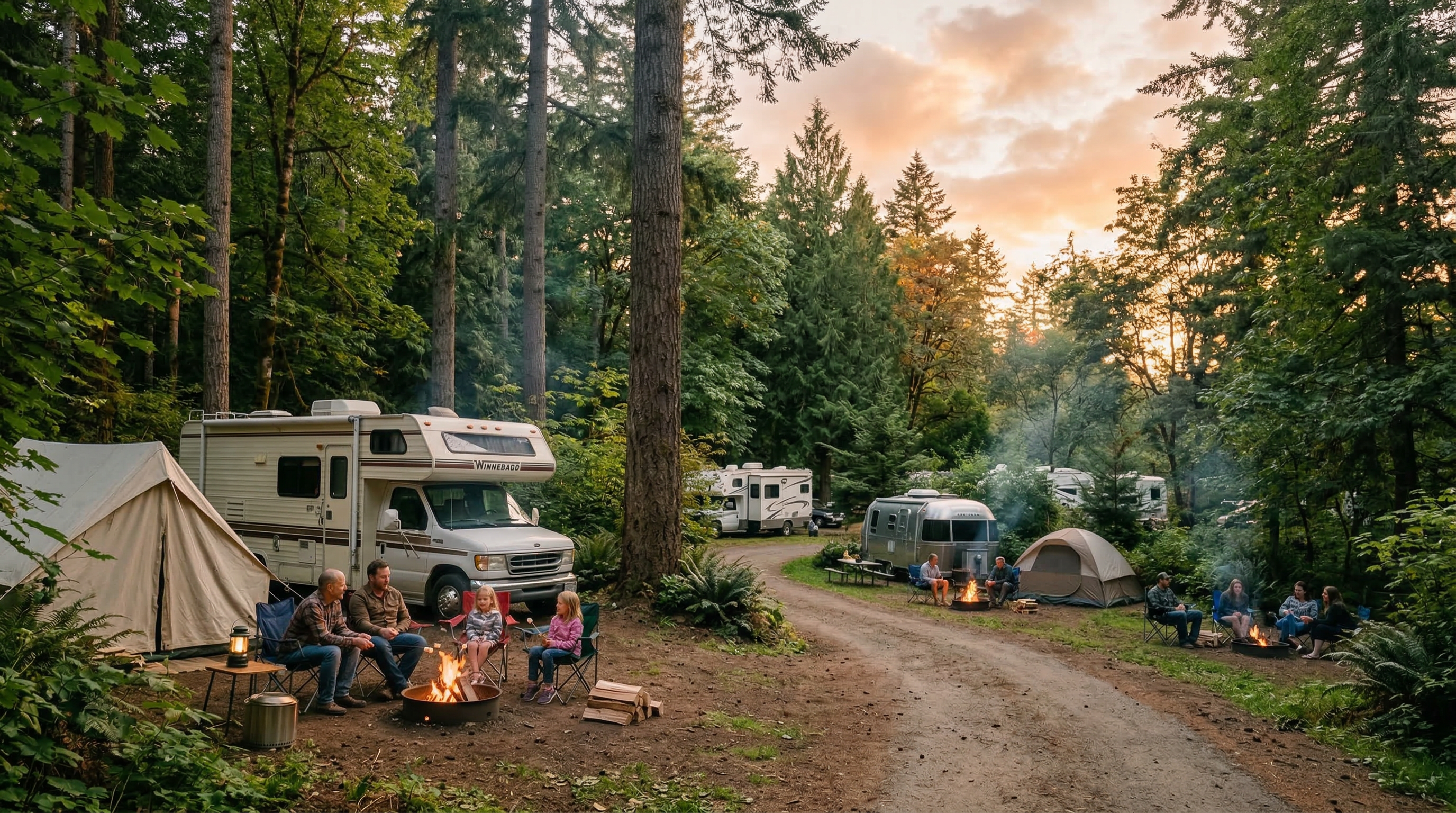
Watch: RV Camping Etiquette Nobody Talks About
If you prefer the quick version, this video breaks down several of the most common campground etiquette issues RVers run into—from generator hours to campsite boundaries.
TL;DR
- Respect campground quiet hours and keep noise levels reasonable.
- Follow Leave No Trace principles and pack out all trash.
- Keep campfires controlled and follow local fire restrictions.
- Respect campsite boundaries and shared campground spaces.
Choose and use your campsite responsibly
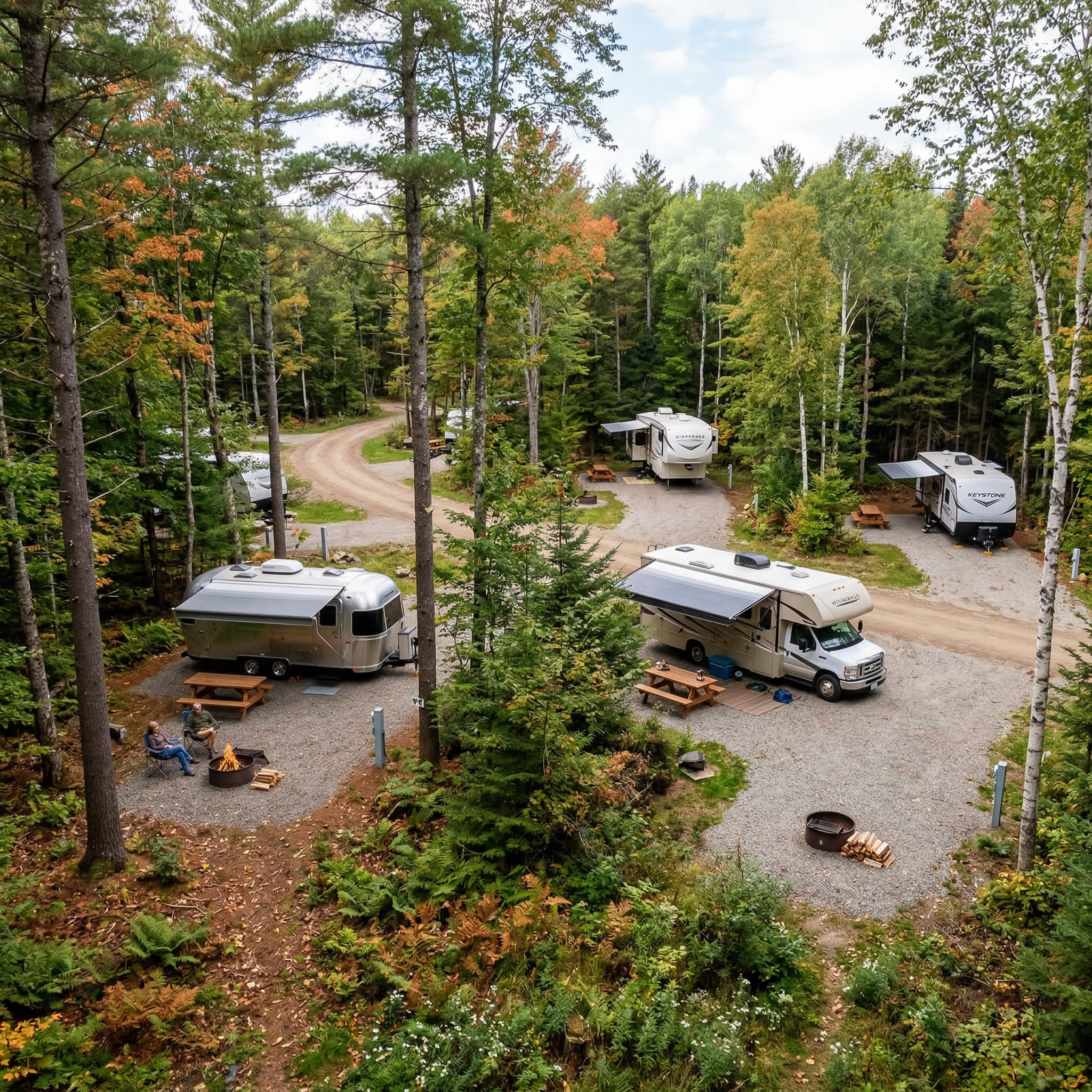
One of the simplest parts of camping etiquette is respecting campsite boundaries. When you arrive at your site, treat it like someone’s temporary backyard. Stay within the designated space and avoid cutting through neighboring campsites unless invited.
Campgrounds are designed to give everyone a bit of privacy and breathing room. Walking through someone else’s site, letting pets wander into other campsites, or setting up gear outside your site boundary can quickly frustrate neighbors.
Camp host perspective: One of the most common complaints we heard as park operators was campers wandering through occupied sites instead of using the campground road or trail. It may seem harmless, but it makes people feel like their space isn’t being respected.
Respect nature and wildlife
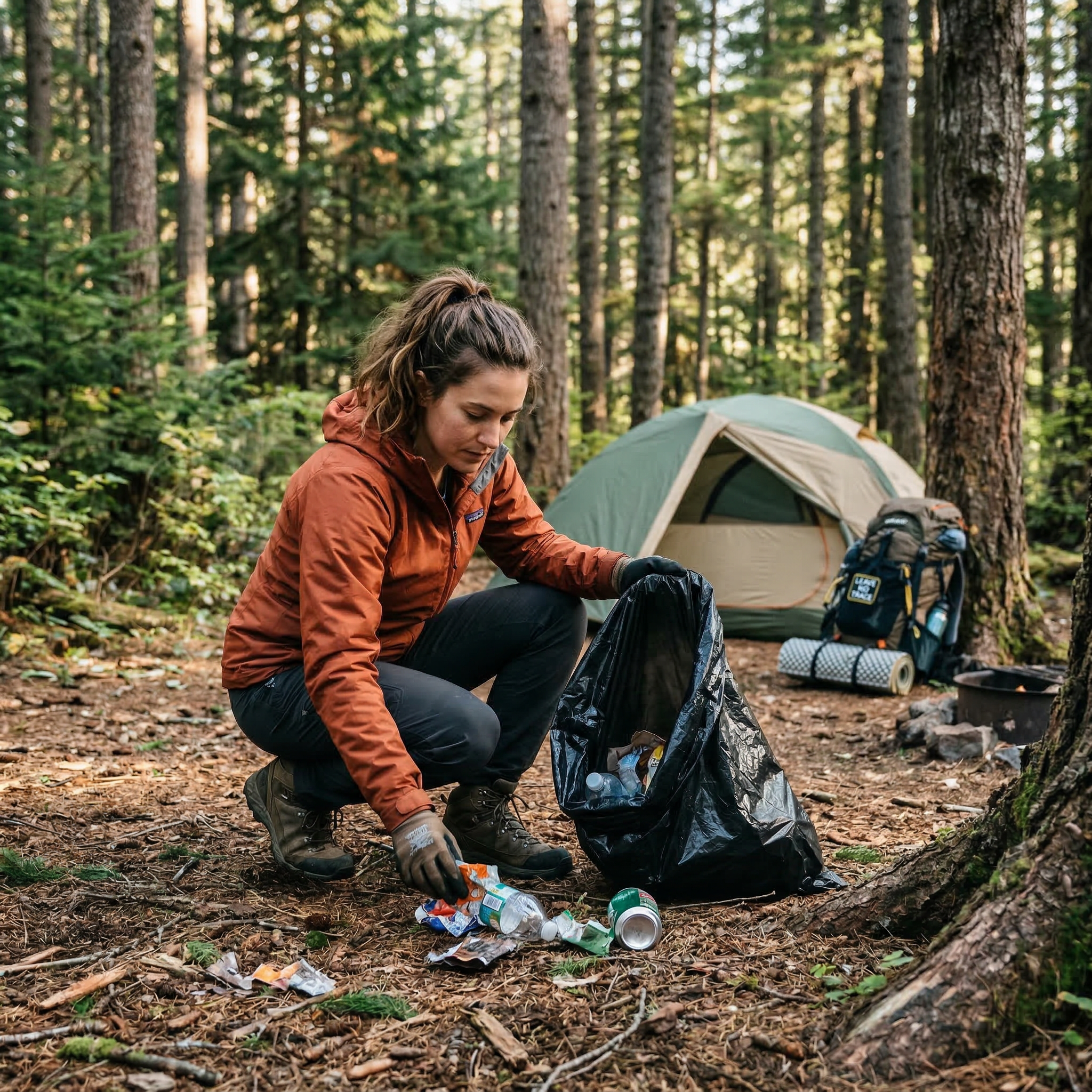
Camping etiquette starts with protecting the places we visit. The outdoor spaces we enjoy only stay beautiful when campers follow basic Leave No Trace principles.
- Pack out everything you bring in.
- Dispose of garbage in proper containers.
- Respect wildlife and keep a safe distance.
- Use designated trails and campsites whenever possible.
Improper food storage and garbage disposal can also attract wildlife into campgrounds. In many parks, bear-proof containers and food storage lockers exist for exactly that reason.
Campfire etiquette and fire safety
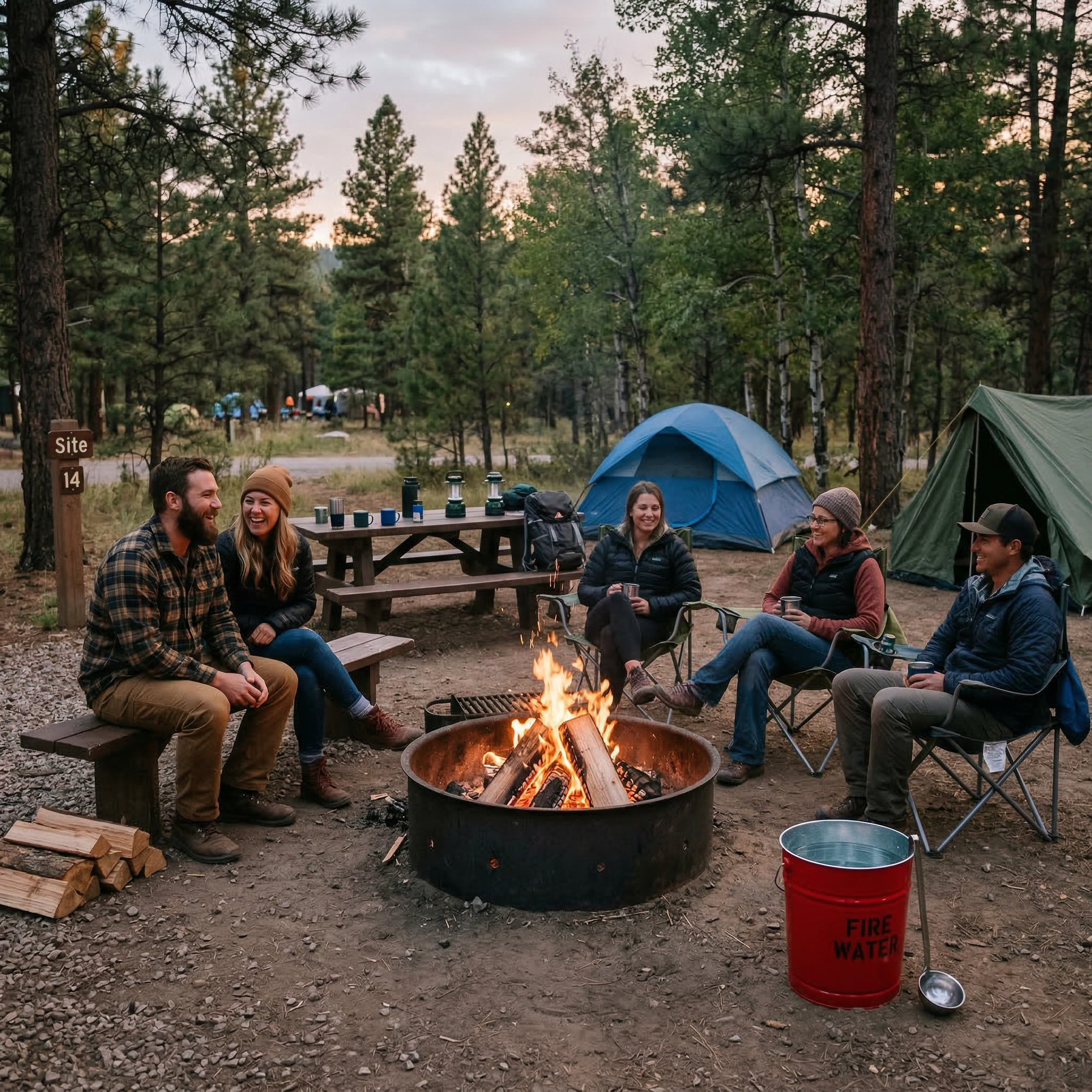
The campfire is often the center of the camping experience, but it also comes with responsibility. Every campground has specific rules about fire safety, and those rules exist for good reason.
- Only build fires in designated fire rings or pits.
- Follow local fire restrictions and seasonal bans.
- Never leave a campfire unattended.
- Fully extinguish fires before going to sleep or leaving the campsite.
Camp host perspective: Fire pits filled with garbage are far more common than people realize. Food scraps, cans, and plastic left in fire pits attract animals and create a serious mess for the next campers.
Respect quiet hours and campground noise
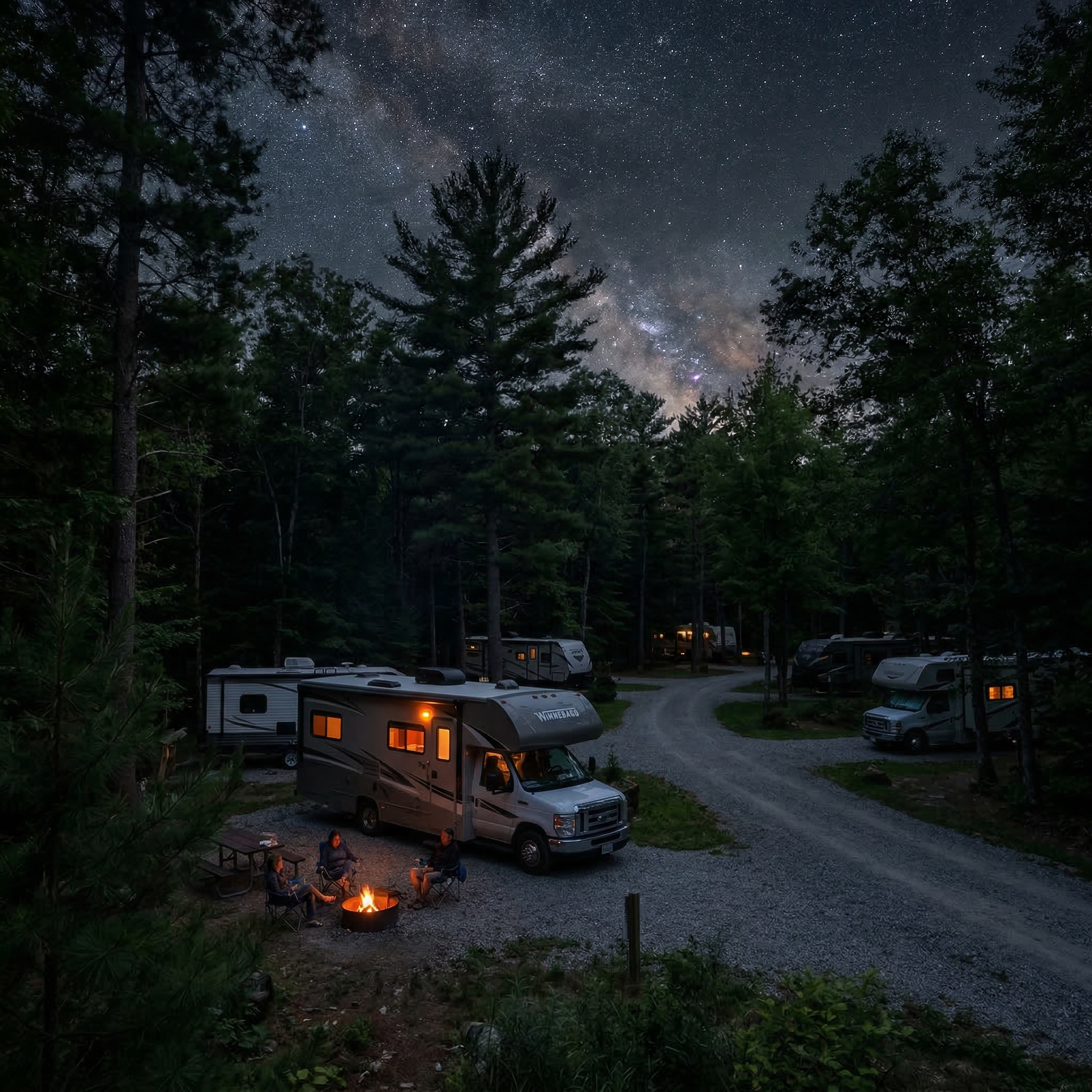
Most campgrounds enforce quiet hours, typically starting around 10 PM. That doesn’t mean the campground turns silent—it just means keeping voices, music, generators, and other noise levels low.
Generators early in the morning or late at night are one of the biggest campground complaints. If you need to run one, always check posted generator hours and be mindful of nearby campers.
Camp host perspective: August long weekends taught us one thing—noise travels surprisingly far at night in a campground. What sounds like a normal conversation at your site can carry across multiple campsites.
Leave the campsite better than you found it
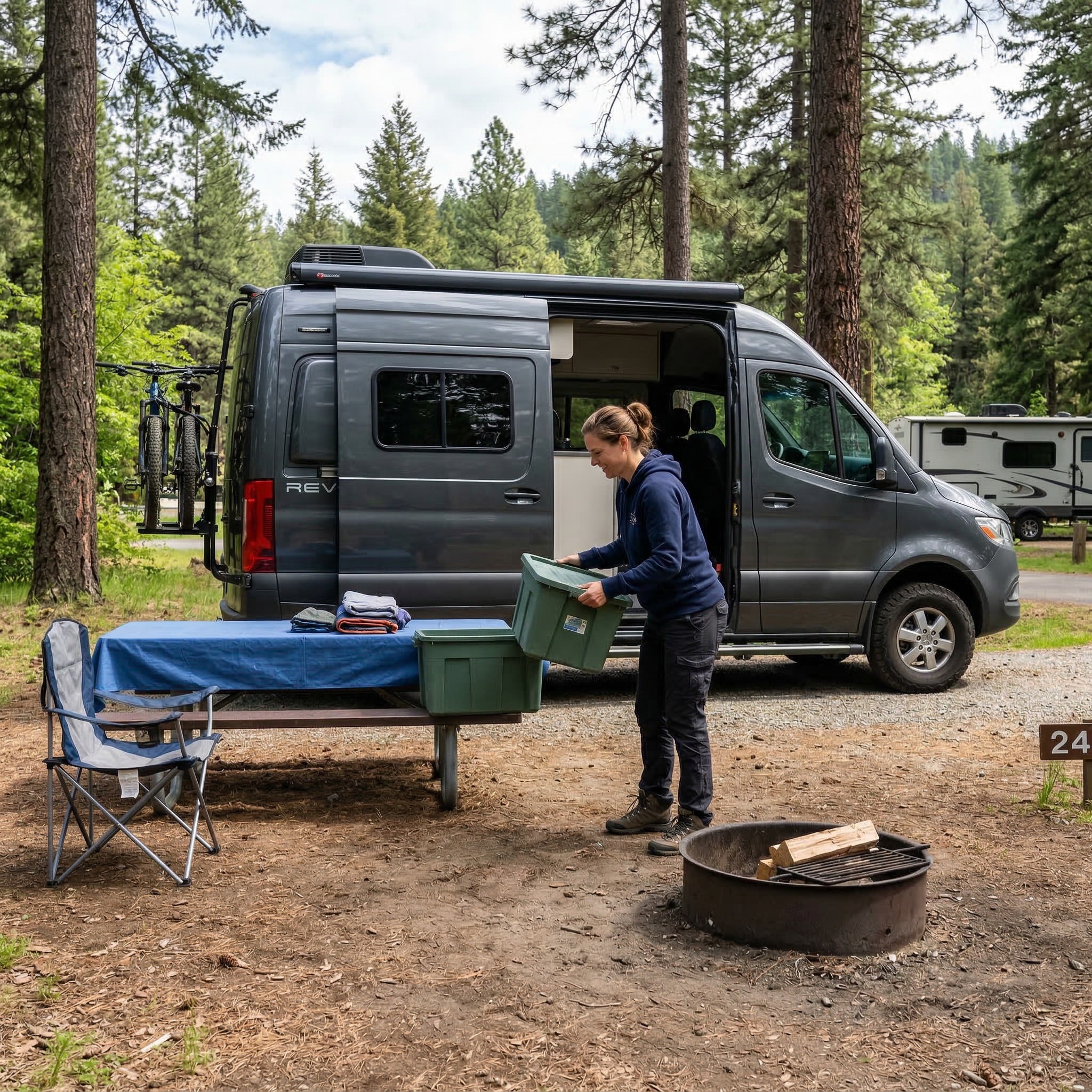
One of the most important camping etiquette rules is simple: leave your campsite cleaner than when you arrived.
- Check the ground for small trash before leaving.
- Clean out fire pits if debris was left behind.
- Dispose of wastewater properly.
- Pick up after pets.
When campers follow this habit consistently, campground staff spend less time cleaning sites and more time maintaining the park for everyone to enjoy.
Quick campground etiquette checklist
- Stay within your campsite boundaries.
- Keep noise levels respectful during quiet hours.
- Dispose of trash properly and pack out what you bring.
- Use fire pits responsibly and follow fire restrictions.
- Respect wildlife and natural surroundings.
After several seasons working as campground operators in British Columbia, we saw firsthand how campground etiquette can make or break the outdoor experience.
Some stories were hilarious. Some were frustrating. A few were downright unbelievable.
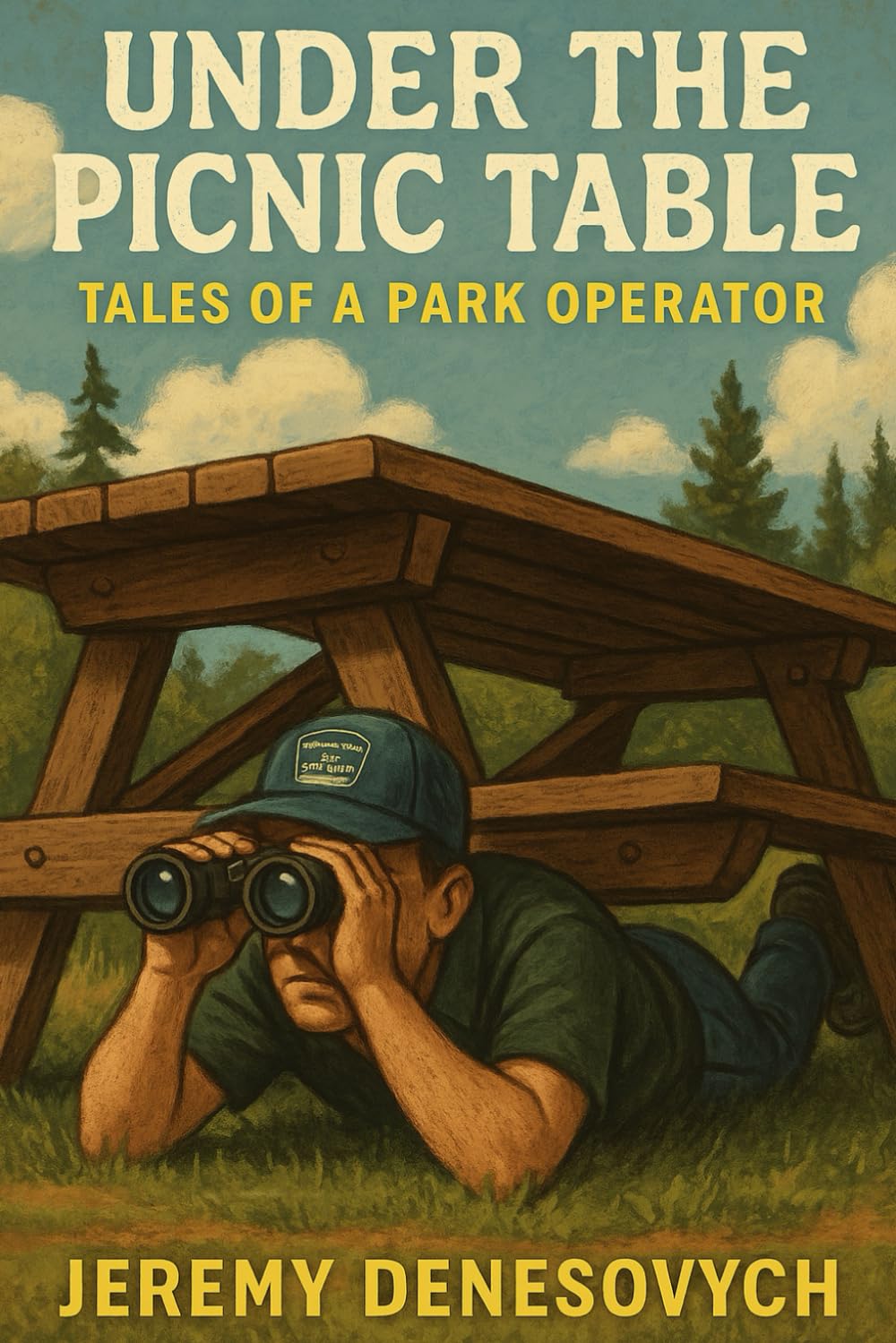
If you’re curious what really happens after the guests go home, my memoir shares the wild side of campground life: Under the Picnic Table: Tales of a Park Operator .
Looking for well-managed campgrounds that emphasize respectful camping? Explore KOA Campgrounds.
FAQ
What is camping etiquette?
Camping etiquette refers to the basic rules and respectful behaviors campers follow to protect nature and ensure a pleasant experience for everyone in the campground.
Why are campground quiet hours important?
Quiet hours help ensure all campers can enjoy a peaceful outdoor experience, especially during nighttime when people are trying to sleep.
What does Leave No Trace mean in camping?
Leave No Trace means minimizing your environmental impact by packing out trash, respecting wildlife, and leaving natural areas as you found them.
Is it rude to walk through someone else’s campsite?
Yes. Walking through occupied campsites is generally considered poor camping etiquette because it intrudes on other campers’ personal space.


Leave a Reply