

Affiliate Disclosure: I earn commissions if you shop through the links below at no additional cost to you.
Last Updated on February 25, 2026 by Jeremy
RV Power • Updated for 2026
Picking the best RV generator in 2026 is less about brand loyalty and more about one question: what are you actually trying to run, and where are you trying to run it?
Because “I just need power” usually turns into “why is my A/C tripping my generator” or “why does this thing sound like a chainsaw at 9pm.” This guide is built to stop that from happening.
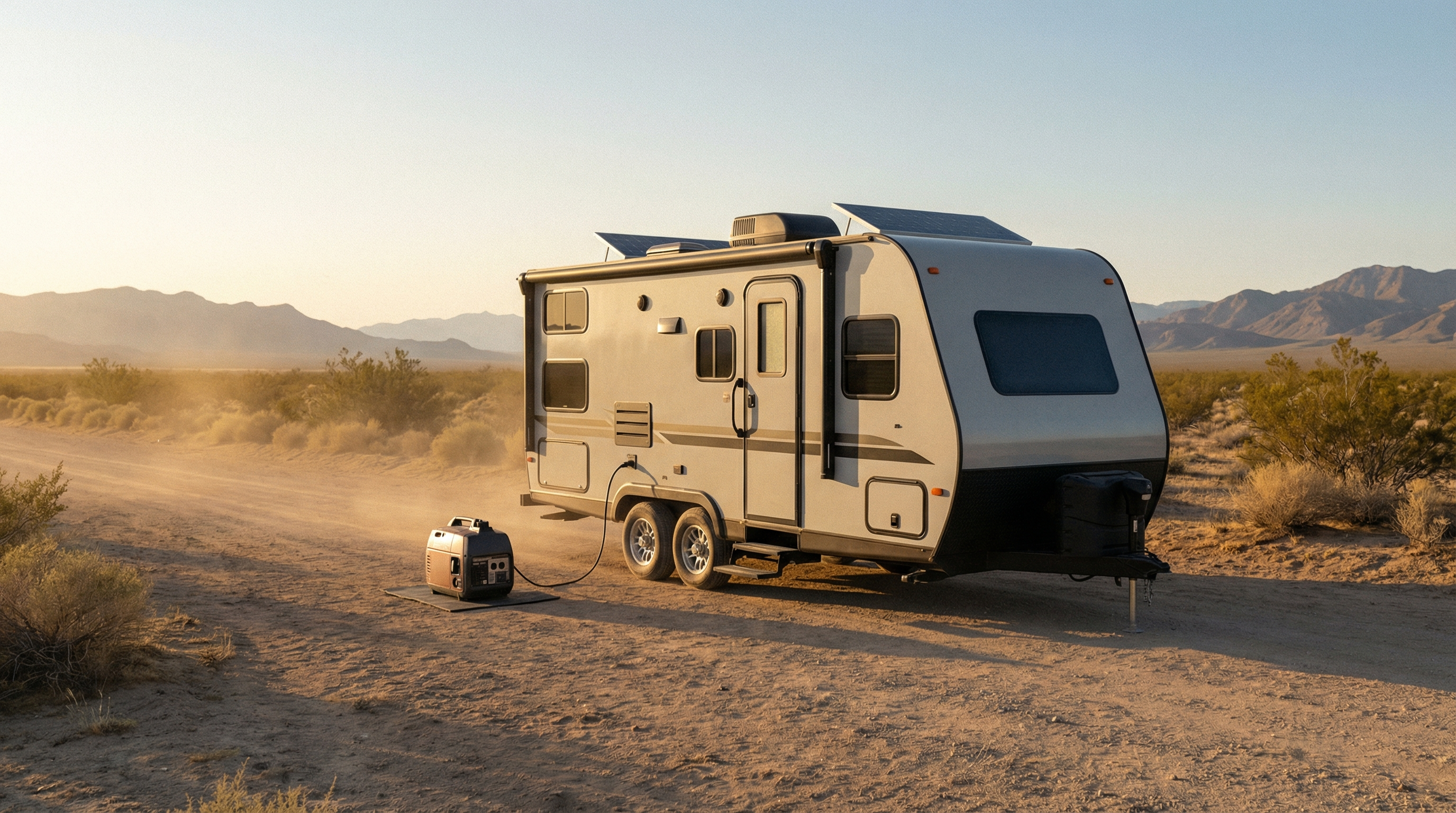
Quick reality check: the “best” generator changes depending on your RV electrical setup, your A/C size, whether you have a soft-start, and whether you camp where noise rules are strict.
How to Choose the Best RV Generator in 2026
If you only remember one thing, make it this: generators are bought with emotions, but they should be chosen with math. You do not need a spreadsheet, but you do need to know what you plan to run.
1) Your real wattage needs
Most RV mistakes happen at startup. An A/C can spike higher for a moment than it runs normally. That spike is what trips generators.
If you are running an A/C, a soft-start can be the difference between “works great” and “won’t even start.”
2) Noise rules and campground reality
Quiet matters. Inverter generators tend to be the better neighbor. Open-frame units can be fine in the right place, but they are not everybody’s friend.
If you regularly camp near other rigs, choose the quietest unit you can justify. It saves stress.
3) Portability and your back
A generator that is “fine” on paper can become a problem if it is too heavy for how you travel. Wheels help. Handles help. A second person helps.
If you solo-handle your gear, weight is a feature, not an afterthought.
4) Fuel type and trip style
Gas is easy to find. Propane stores better. Dual fuel adds flexibility. None are “best” for everyone. Your route and your storage capacity decide.
If you already run propane heavily, dual fuel can make your whole setup feel more consistent.
If you want the deeper breakdown, this guide helps: How To Choose The Right Portable Generator For Your RV Setup,
The 3 RV Generator Tiers That Make Decision-Making Easy
Instead of pretending one generator fits every rig, here is the simple tier system that makes this decision sane.
Tier 1: Lightweight and quiet
Best for small rigs, weekend trips, battery charging, and “keep it simple” power. Usually not ideal for running a big A/C without the right setup.
Tier 2: RV-ready mid power
The sweet spot for many RVers. Enough power to run more of the rig comfortably, usually with better odds for A/C depending on size and soft-start.
Tier 3: Battery power stations
Silent, no fumes, very camp-friendly. Not always cheap, and runtime depends on your loads, but a strong option when you prioritize quiet and clean.
Bonus reality tier: Heavy-duty comfort
If you are running bigger loads, longer stays, or you want fewer compromises, this is where the heavier units live. Not everybody needs it, but the right person loves it.
If you are stuck between two tiers, choose the one that matches your hardest day. Hot weather plus A/C is usually the hardest day.
Top 8 RV Generators for 2026
1) Honda EU2200i (Quiet, reliable, easy to live with)
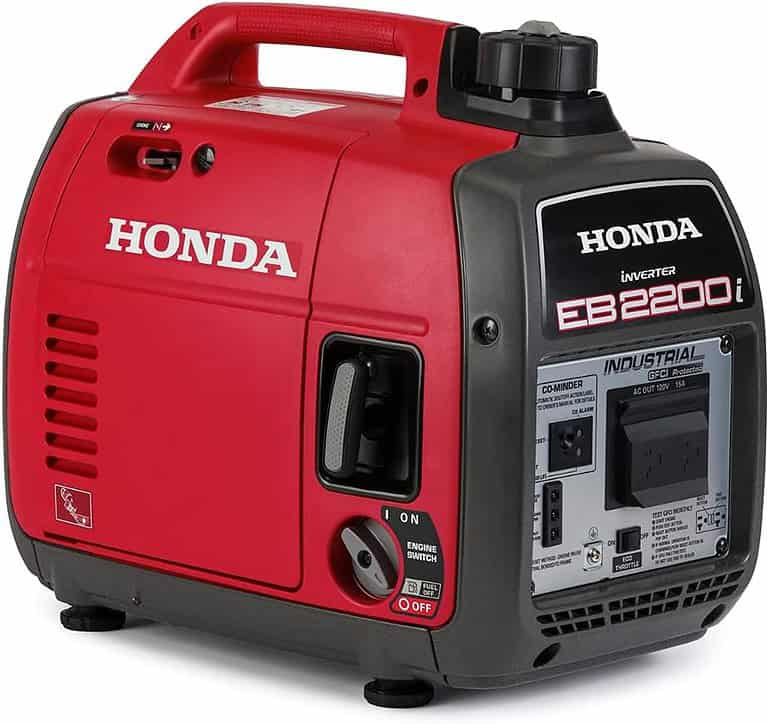
This is the “I want it to just work” pick. If you are mostly powering essentials, charging batteries, running small appliances, and keeping noise down, Honda’s small inverter units have a long track record in RV land.
Best for: smaller rigs, weekends, battery charging, light loads. If your goal is heavy A/C use, move up a tier or add a soft-start.
2) WEN 56200i (Budget-friendly quiet power)
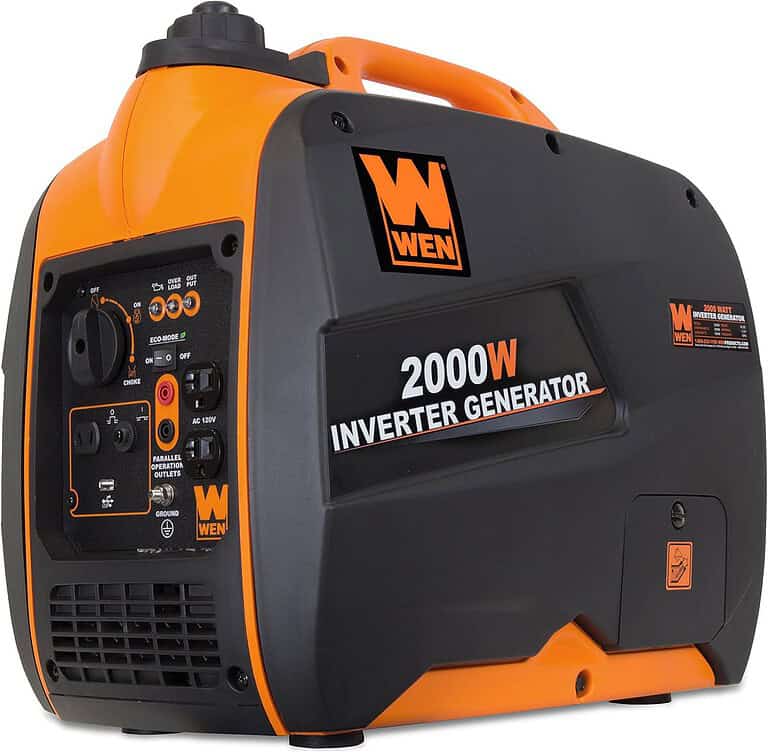
If you want inverter-style power without the premium price tag, WEN has been a common entry point. It can be a practical choice for smaller rigs and anyone building their setup gradually.
Best for: light loads, occasional trips, “I need power but I’m not building a rolling power plant.”
3) Yamaha EF2200iS (Quiet power with a solid reputation)
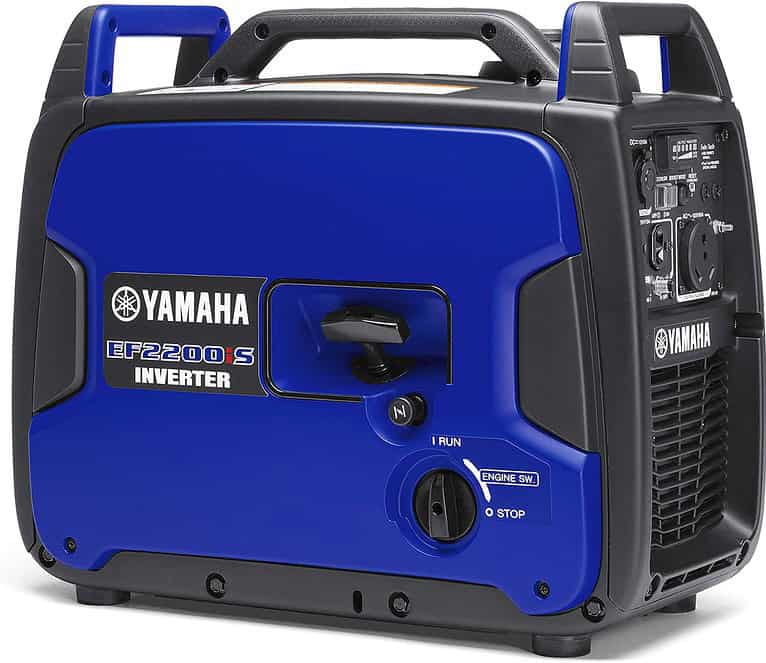
Yamaha sits in that similar lane as Honda where RVers tend to trust the brand for quiet inverter power. If you want a compact generator that feels built for the long haul, this is the lane.
Best for: quiet camps, essentials, people who value reliability and consistency over maximum watts.
4) Champion 2500 Ultralight (Small, portable, easy to justify)
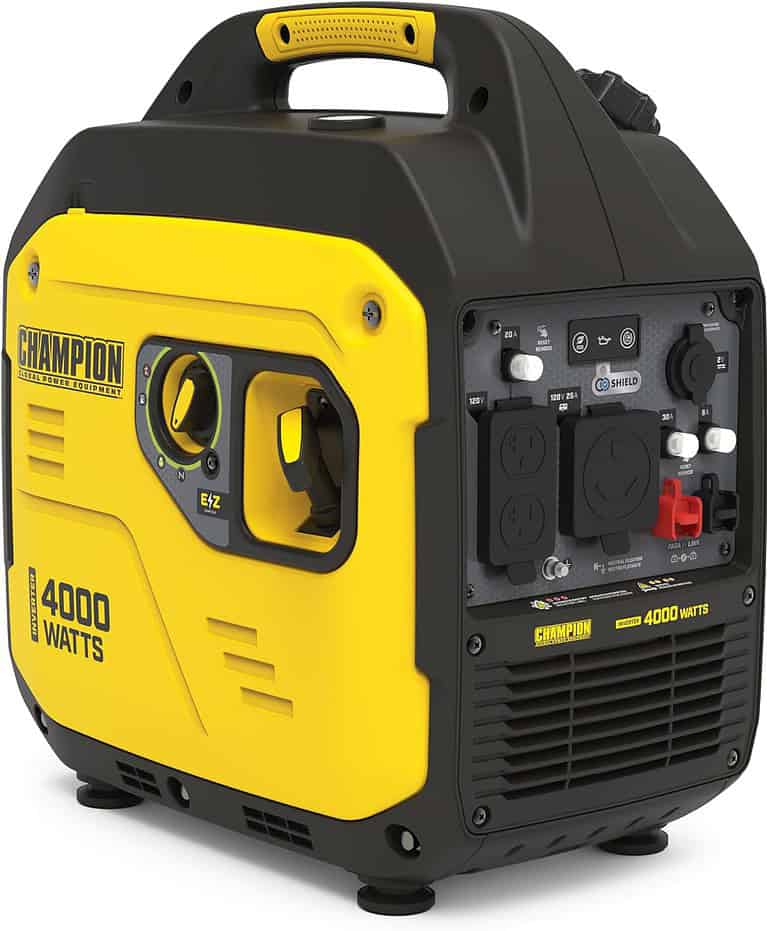
This is the practical “I want something I can actually move around” choice. For smaller rigs and lighter loads, the portability factor matters more than most people admit.
Best for: weekend trips, charging, lights, fans, small appliances. Not the best match for heavy A/C without the right setup.
5) Champion 4000 RV Ready Inverter (The RV-friendly middle ground)
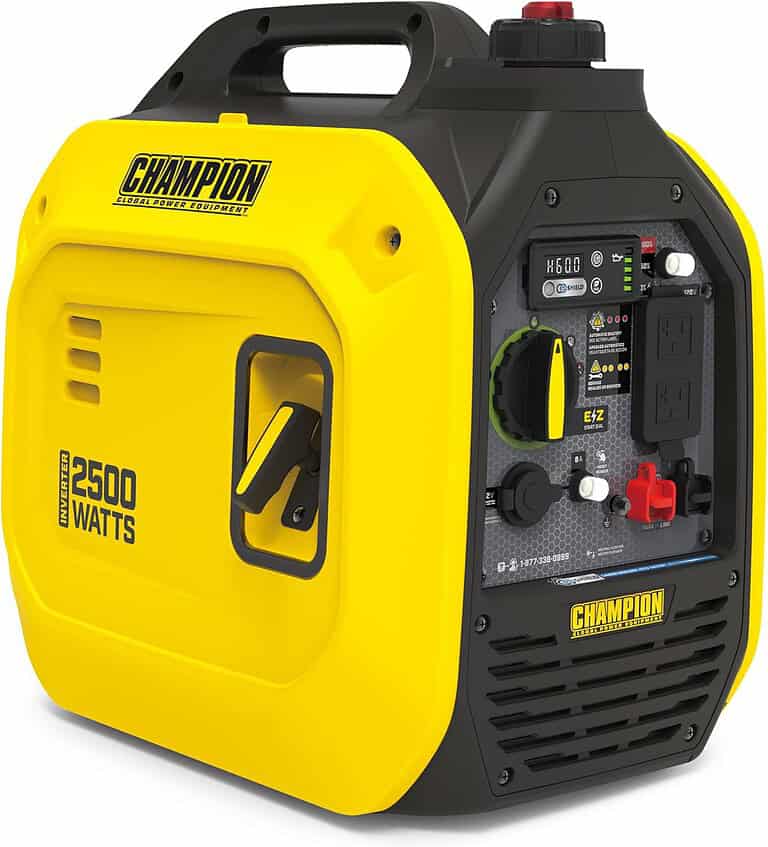
This is where generator shopping usually starts to feel “RV-real.” More headroom, more comfort, and better odds for A/C depending on your rig and whether you have a soft-start.
If you want to go deeper on sizing, this is a useful companion read: Champion Generator Buying Guide for RVs (2500 vs 5000 — Which One’s Right for You?)
Best for: RVers who want quieter inverter power but also want enough capacity to feel comfortable off-grid.
6) Westinghouse iGen4500 (Long runtime, more comfort power)
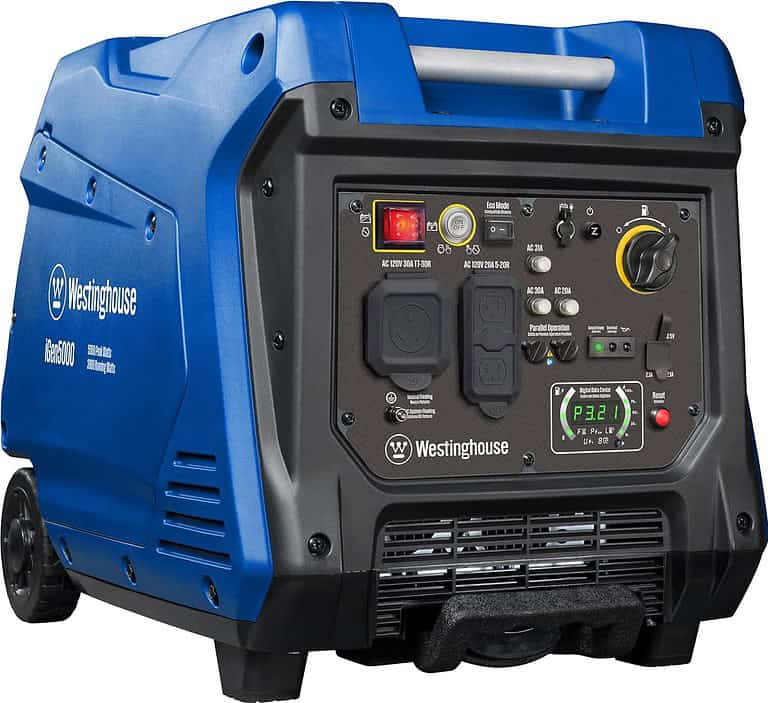
If you are the type that stays parked longer, runs more stuff, and wants a generator that feels less “bare minimum,” this is the lane. More comfort, more runtime potential, more “I can relax.”
Best for: longer boondocking stays, higher loads, and people who want to stop babysitting power.
7) Generac GP3500iO (Open-frame inverter style, more power without the full bulk)

This is a different category than the “suitcase” style units. It can be a strong option when you want inverter benefits but also want that extra bit of usable output and capacity.
Best for: RVers who want a strong mid-power option and do not mind a different form factor.
8) Jackery Explorer 1000 (Silent power option for camp-friendly setups)
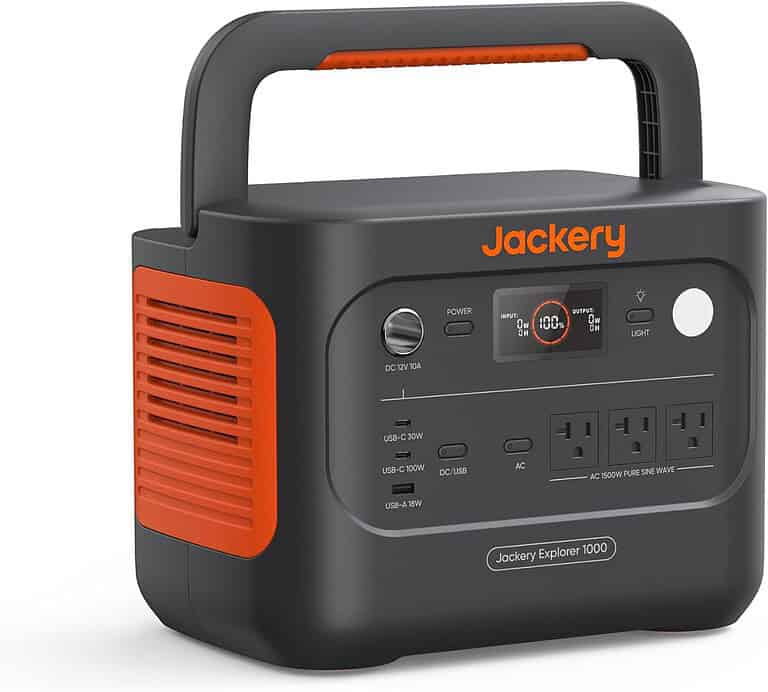
If your priority is quiet, no gas smell, and “plug-and-go” power, a power station becomes the obvious alternative. Runtime depends on what you run, but for many people it is the most peaceful way to keep devices and essentials alive.
If you want the deeper breakdown, here is the internal brand page: Jackery brand overview
Best for: quiet campgrounds, overnight charging, laptops, lights, smaller appliances, and anyone who hates generator noise.
Pro Tips That Make Any RV Generator Work Better
The generator is only half the story. The other half is how you use it. The same unit can feel amazing or miserable depending on your habits.
- Run it monthly if it sits, even if you are not traveling. Stale fuel and stuck components love downtime.
- Use fuel stabilizer if you store gas, especially if you travel seasonally.
- Ventilation is non-negotiable. Never run a generator in enclosed spaces. Ever.
- Respect your loads. Start big loads one at a time instead of stacking everything at once.
- Soft-start helps A/C. If you want A/C off-grid, this is often the smartest upgrade.
If your generator feels underpowered, it is often not “bad.” It is often overload timing, startup spikes, elevation, or expectations that do not match the setup.
Where to Buy and What to Watch For
Since this is an article and not a brand page, I am not pushing you into one checkout lane. But if you want to browse generators and RV power gear from stores that RVers actually use, start here:
Watch for return policies, warranty details, and whether the generator is truly RV-friendly for your outlet needs. “Power” and “usable power for RV life” are not always the same thing.
FAQ
What size generator do I need for an RV in 2026?
It depends on your biggest load. If you run A/C, plan around startup spikes and consider a soft-start. If you do not run A/C, you can often stay smaller and quieter.
Is an inverter generator worth it for RV camping?
Usually, yes. Inverter generators tend to be quieter and produce cleaner power for electronics. They are often the best match for campground-style RV life.
Are power stations like Jackery a replacement for a generator?
Sometimes. They are silent and clean, but runtime depends on battery capacity and what you run. For many RVers, a power station is perfect for essentials and quiet nights.
Do I need a 30A or 50A generator?
That is an RV service question, not only a generator question. Many RVers on 30A service still use generators successfully, but your loads decide how comfortable that feels.
Final Thoughts
The best RV generator in 2026 is the one that matches your RV’s hardest day. If you camp in heat, plan around A/C reality. If you camp around people, plan around noise. If you solo-handle gear, plan around weight.
Use the tiers to narrow it down, then pick based on your travel style. That is how you avoid buying twice.




.jpg/:/cr=t:5.56%25,l:0%25,w:100%25,h:88.89%25/rs=w:1240,h:620,cg:true)



Leave a Reply